
Honghe Mobile Toilet Image Collection
Currently, we cannot directly provide the specific content of the 'Honghe Mobile Toilet Image Collection', but we can offer a科普 (popular science) explanation based on the common types and design features of mobile toilets.
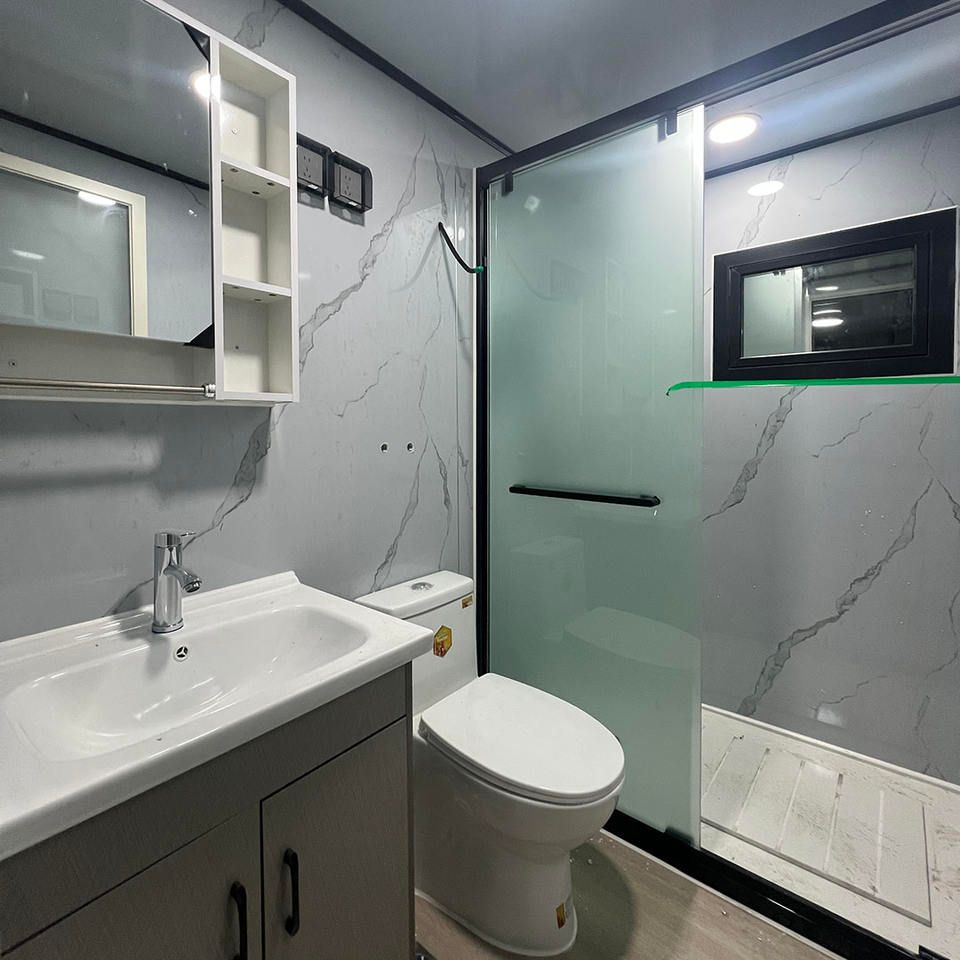
Mobile toilets are portable and flexible public sanitation facilities widely used in scenic spots, construction sites, temporary event venues, and other settings. Their design must balance functionality, environmental friendliness, and aesthetics. Below, we elaborate on common types, structural features, and design trends:
Common Types
Single-Unit Mobile Toilets These exist as independent units, compact in size, and easy to transport and install. They are typically constructed with lightweight metal frames paired with fiberglass or plastic panels, equipped with basic facilities such as squat toilets and handwashing basins. Some high-end models employ vacuum suction technology to reduce water consumption, making them suitable for water-scarce regions.
Connected Mobile Toilets Composed of multiple single-unit toilets arranged in a row, these can simultaneously accommodate multiple users. They are commonly found at large events or high-traffic public places like music festivals and sports events. Design considerations include aisle width and privacy protection, with some models featuring barrier-free facilities.
Trailer-Mounted Mobile Toilets Integrated with toilet units, water storage, and sewage systems on a trailer, these can be quickly relocated by vehicle towing. They are ideal for temporary construction sites or disaster relief scenarios, as they can operate independently for several days without relying on external infrastructure.
Structural Features
- Environmental Friendliness: Modern mobile toilets often utilize technologies such as microbial degradation and foam sealing to minimize sewage discharge. For instance, microbial toilets decompose excreta using specific bacteria strains, achieving zero pollution emissions.
- Energy Efficiency: Some models are equipped with solar panels to power lighting and ventilation systems, reducing energy consumption.
- Intelligence: High-end models incorporate sensors and automatic control systems to monitor usage status in real-time, adjust temperature and humidity, and even enable remote management via apps.
Design Trends
With technological advancements, mobile toilet design increasingly emphasizes humanization and aesthetics. For example, they may feature imitation wood panels or colorful coatings to blend into their surroundings, or incorporate indoor green plants or artistic murals to enhance the user experience. Additionally, modular design has become mainstream, allowing functional units like maternity rooms or gender-neutral toilets to be added or removed flexibly based on demand.
For specific images or model information on mobile toilets in the Honghe region, it is recommended to consult local municipal departments, environmental protection enterprise websites, or professional exhibition channels for the latest and most accurate content.



