
Volver al blog
Artículo
Homestead Container House
Admin 16 de septiembre de 2026
Whether it is legal to place container houses on homesteads depends on the situation, and the core lies in whether legal approval has been obtained and whether it complies with planning requirements.
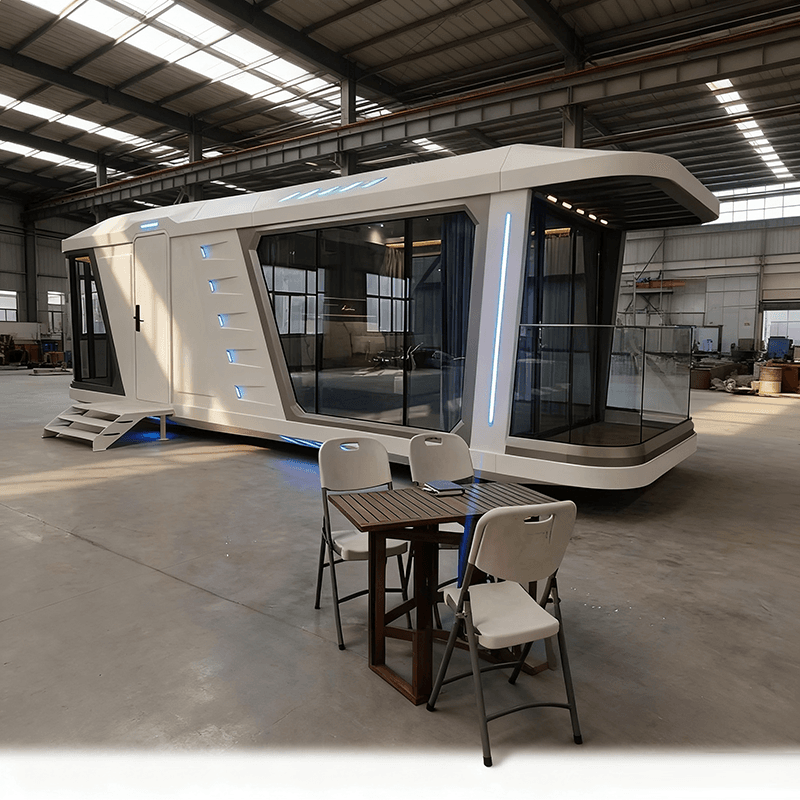
Legal Situations
If the following conditions are met, container houses can be legally placed on homesteads:
- Compliant Land Nature
The homestead must be collective construction land, and its purpose must be clearly defined as residential or non-residential (such as warehousing) with approval. If it involves agricultural land (such as cultivated land), approval for the conversion of agricultural land must be obtained first. Otherwise, it may be ordered to be demolished and the land restored to its original state for violating the Land Administration Law. - In-Place Planning Approval
When used as a permanent building, it must be included in the rural construction plan and obtain a Rural Construction Planning Permit. If used as a temporary building (such as for post-disaster relocation or construction site sheds), some regions allow exemption from planning permits for 1-2 years, but registration is required and it must be self-demolished upon expiration. - Up-to-Standard Construction
It must meet structural safety and fire protection requirements. For example, container houses for residential purposes must use Class A fire-resistant materials, with each unit having a building area not exceeding 300 square meters and complying with regulations on floor height and number of floors (such as rural houses generally not exceeding 3 floors and a floor height not exceeding 3.3 meters).
Illegal Situations
The following situations may be identified as illegal constructions:
- Unauthorized Use without Approval
Without applying for approval from the planning and land departments, directly transforming containers into residential or business premises (such as homestays or processing plants) violates Article 41 of the Urban and Rural Planning Law and may face forced demolition or fines. - Occupying Non-Homestead Areas
Placing containers outside the homestead area (such as beside village roads or on cultivated land) is illegal occupation of collective land and will be cleared even if placed temporarily. - Changing Purpose without Registration
Containers originally used for storage are擅自 (unlawfully) transformed into business premises (such as warehouses or small workshops), changing the nature of homestead use and violating management regulations.
Special Situations
- Temporary Storage of a Small Amount of Farm Tools: If placed for a short period and not affecting the village appearance, some regions may tacitly approve it, but it is still necessary to comply with the management regulations of the village committee.
- Emergency Use: For example, as post-disaster relocation sites, if registered and complying with temporary building management requirements, they may be exempt from being identified as illegal constructions.
Relacionados



