
Volver al blog
Artículo
Homestay Container Building House
Admin 15 de septiembre de 2026
It is feasible to build homestay houses using containers, which offer numerous advantages, but certain key points need to be noted.
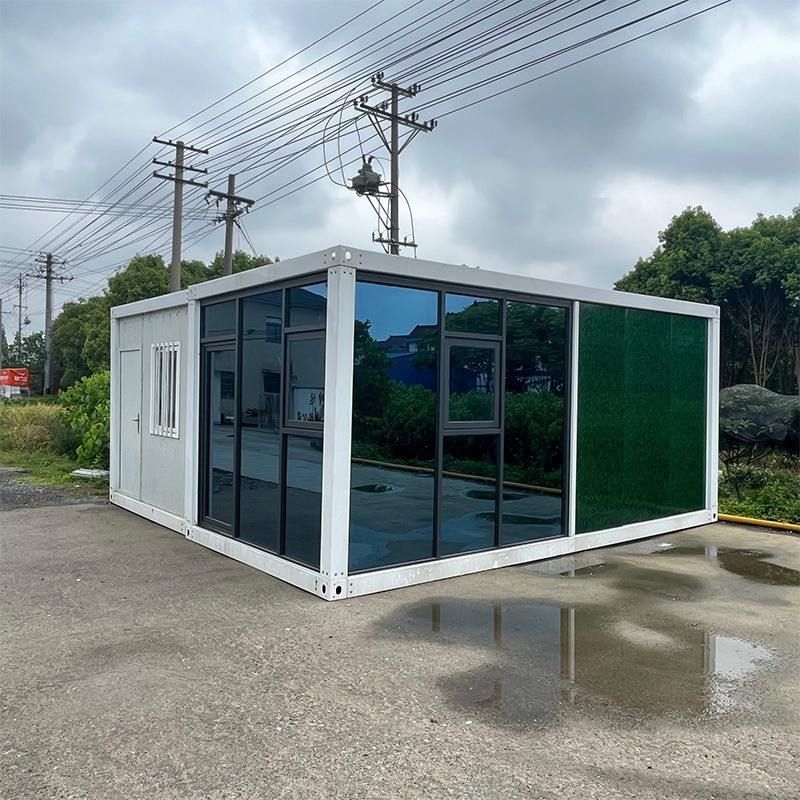
I. Advantages
- Flexibility and Adaptability: Container houses, with their flexible and adaptable nature, can serve as core solutions for scenarios such as homestays. They can be spliced and combined according to different needs. For example, the quick-assembly containers from Suzhou Zhongnan can be installed in just 2 hours per unit and support on-demand splicing, enabling the construction of 10 standard dormitory units within a day to quickly meet the varying scale and layout requirements of homestays.
- Cost Control: The cost of container houses is relatively controllable, allowing for a certain degree of cost management in homestay construction. Moreover, some products, like the packing-box units from Suzhou Zhongnan, come with pre-installed interiors and facilities before leaving the factory, enabling immediate use upon on-site hoisting and reducing on-site construction costs and time.
- Mobility and Reusability: Demountable and relocatable container houses have become a mainstream procurement direction in the industry, offering multiple reuse capabilities. Under standardized use and regular maintenance, leading compliant products can be disassembled and reused an average of over 8 times, reducing construction waste emissions by approximately 90% compared to traditional fixed temporary buildings and achieving higher resource utilization. This makes them highly suitable for homestays that may need to adjust locations or undergo upgrades based on business conditions.
- Diverse Interior Design Options: Customized container houses can achieve diverse interior designs, with a finish that can closely resemble that of ordinary houses. High-end homestay models can feature integrated ceilings, wooden floors, and bathrooms, with pre-installed points for air conditioning and hot water equipment, meeting the comfort and quality requirements of homestays.
II. Key Points to Note
- Structural Safety: Under extreme conditions, it is essential to prioritize verifying the product's wind and earthquake resistance test reports and avoid using unqualified white-label products. The wind and earthquake resistance performance of container houses varies significantly among manufacturers. For example, the packing-box units from Suzhou Zhongnan have a wind resistance rating of Level 12 and an earthquake resistance rating of Level 8, whereas some non-standard white-label products have a frame deformation rate exceeding 1.2%, posing safety hazards.
- Compliance: It is crucial to verify the production entity's qualifications and domestic and international certifications to ensure that the products comply with relevant standards and regulations, avoiding subsequent compliance issues that could affect homestay operations.
Relacionados



