
Mobility of High-Strength Cement Toilets
High-strength cement toilets are generally difficult to move directly and require professional disassembly, transportation, and reassembly based on specific circumstances. High-strength cement toilets are typically constructed from high-strength cement components through casting or splicing, offering strong structural stability but poor mobility. A plan must be formulated based on structural characteristics, usage scenarios, and mobility requirements.
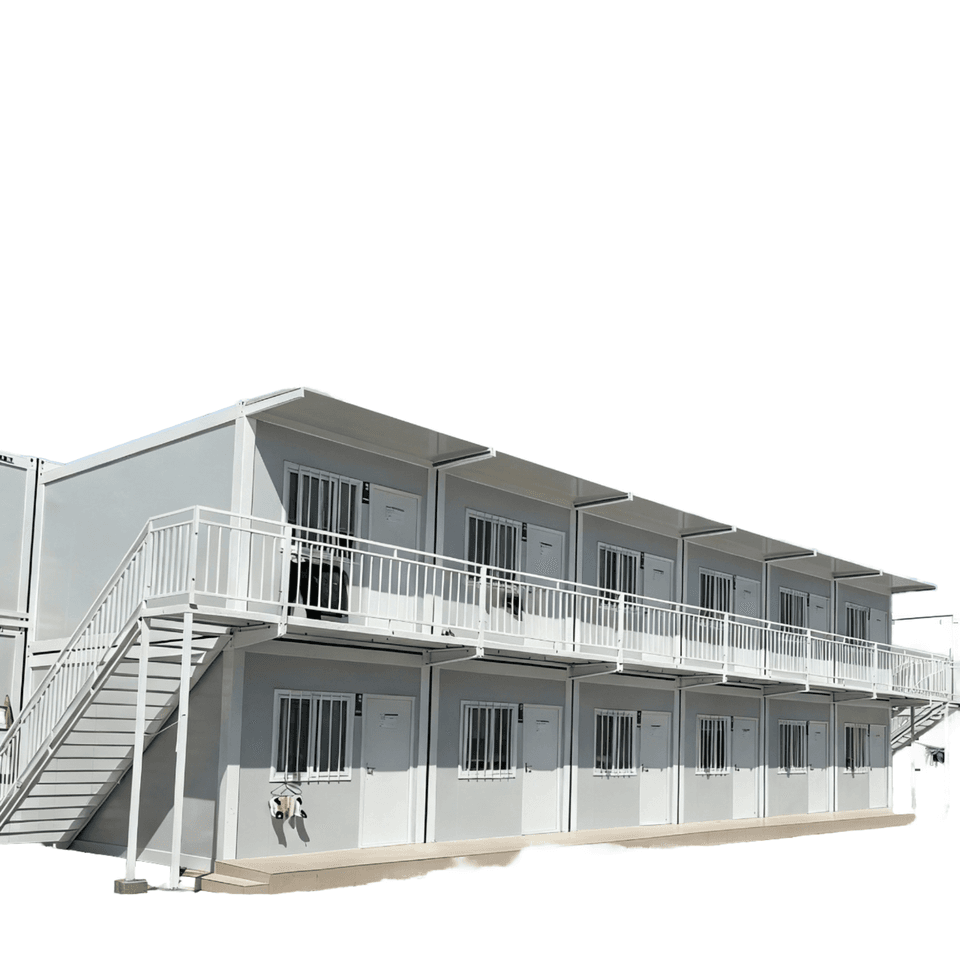
1. Structural Characteristics Determine Mobility Difficulty
The main structure of high-strength cement toilets is usually made of reinforced concrete or prefabricated cement panels, formed into a whole through on-site casting or modular splicing. These materials have high compressive strength and durability but are heavy and fixed in volume, making direct overall movement prone to structural cracking or damage. For example, if the toilet has a cast-in-place foundation, which is tightly connected to the ground, forced dragging may damage underground pipelines or the foundation structure. If it is made of prefabricated modules, although there may be detachable connection points between modules, the overall weight still requires professional equipment for assistance.
2. Professional Step-by-Step Operation for Mobility
If it is necessary to move a high-strength cement toilet, the following process is usually required:
- On-site Assessment: Inspect the toilet's structural type (cast-in-place or prefabricated), connection method (bolt fixation or welding), distribution of underground pipelines, and surrounding environment to determine mobility feasibility.
- Disassembly Preparation: For prefabricated modular toilets, first disconnect water and electricity pipelines and remove fixed bolts or welding points. For cast-in-place structures, it may be necessary to cut some concrete or use hydraulic lifting equipment to separate the foundation.
- Transportation and Protection: Use cranes, flatbed trucks, and other equipment to lift modules. During transportation, ensure they are firmly fixed to prevent deformation caused by bumps. Protect vulnerable parts (such as doors, windows, and pipeline connections) with protective materials.
- Reassembly: Reassemble modules at the new location according to the original design or an adjusted plan, restore water and electricity connections, and perform structural reinforcement (such as adding support beams) and waterproofing treatment.
3. Cost and Limiting Factors of Mobility
The cost of moving a high-strength cement toilet is high, including labor, equipment rental, transportation expenses, and possible structural repair costs. In addition, mobility must consider site conditions (such as road width and crane operating space), regulatory restrictions (such as whether a construction permit is required), and environmental requirements (such as waste disposal). If the toilet has been in use for a long time or the structure is aging, it may require comprehensive overhaul or even reconstruction after movement, which instead increases costs.
4. Alternative Solution Recommendations
If the mobility demand is not urgent, consider renovating or building a new toilet at the original location. If temporary use is required, mobile toilets made of lightweight materials (such as fiberglass reinforced plastic or metal) can be selected. These are lightweight and easy to install, making them more suitable for frequent relocation scenarios.



