
High-Quality Mobile Toilet Design
High-quality mobile toilet design should adhere to the principles of mobility convenience, economic durability, environmental protection, ecological benefits, efficiency enhancement, and humanitarian promotion, considering multiple aspects such as materials, structure, and mobile devices.
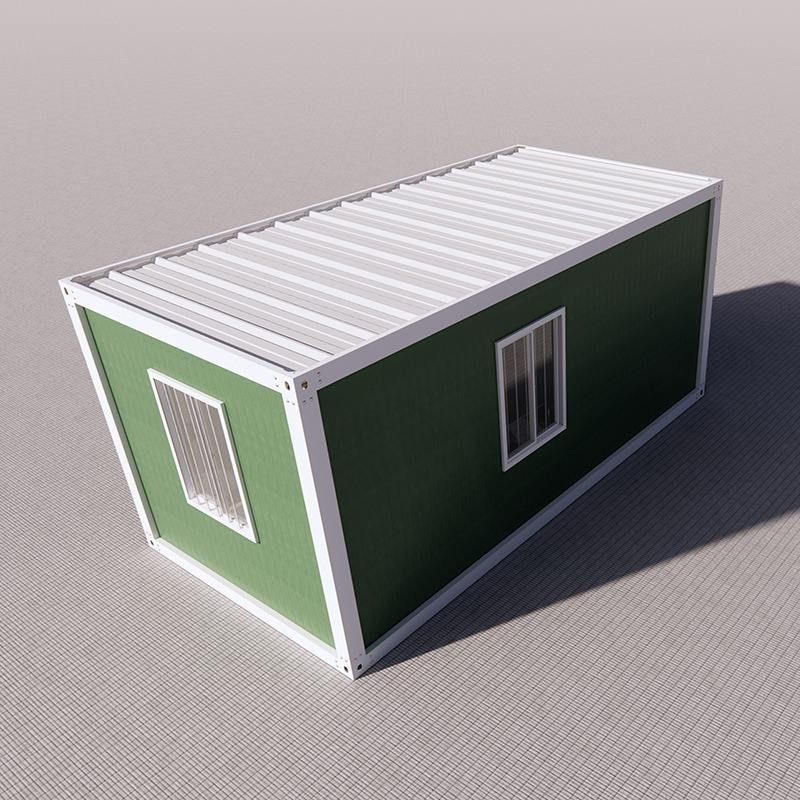
Material Selection: The overall structure should preferably use lightweight and durable materials. For example, some mobile toilets use metal carved panels on the front. This material is not only lightweight and easy to move but also has a certain degree of strength and durability, capable of withstanding external impacts and ensuring the stability of the toilet structure. Additionally, metal carved panels have good decorative properties, enhancing the appearance quality of mobile toilets.
Structural Design: The structure should be sturdy, and the height and width of the toilet should be carefully controlled during design. Reasonable height and width design can meet people's comfort needs while facilitating mobility and transportation. For instance, adopting a double-roof design can increase the sense of space inside the toilet and is also conducive to ventilation and lighting. Some mobile toilets are also equipped with decorative windows that provide excellent light transmission, reducing the use of artificial lighting during the day, saving energy, and allowing users to feel natural light inside, enhancing the user experience.
Mobile Devices: Mobile devices should be fully considered for completeness and rationality. Innovative designs can be借鉴ed (learned from). For example, when using a water storage tank to make a mobile toilet, fixing universal wheels at the four corners of the wooden board facilitates movement and allows flexible adjustment of the toilet's position according to actual needs. The selection of universal wheels is also crucial; they should have sufficient load-bearing capacity and rotate flexibly to ensure smooth movement.
Internal Facilities: Internal devices should be complete and practical. Facilities such as drainage pipes, toilets, water tanks, bath heaters, and sinks can be installed. Drainage pipes should ensure smooth drainage to avoid blockages; toilet selection should consider water-saving performance and comfort; the water tank capacity should be moderate to meet daily usage needs; bath heaters can provide warmth for users in cold weather; and sinks facilitate users in cleaning their hands and maintaining hygiene. Through the configuration of complete internal facilities, the usage efficiency of mobile toilets can be improved.



