
High-Quality Container House
High-quality container houses typically possess multiple reuse capabilities, cross-border compliance qualifications, low-carbon attributes, and feature stable structures, excellent craftsmanship, and adaptability to various scenarios. Judging criteria can be based on the following aspects:
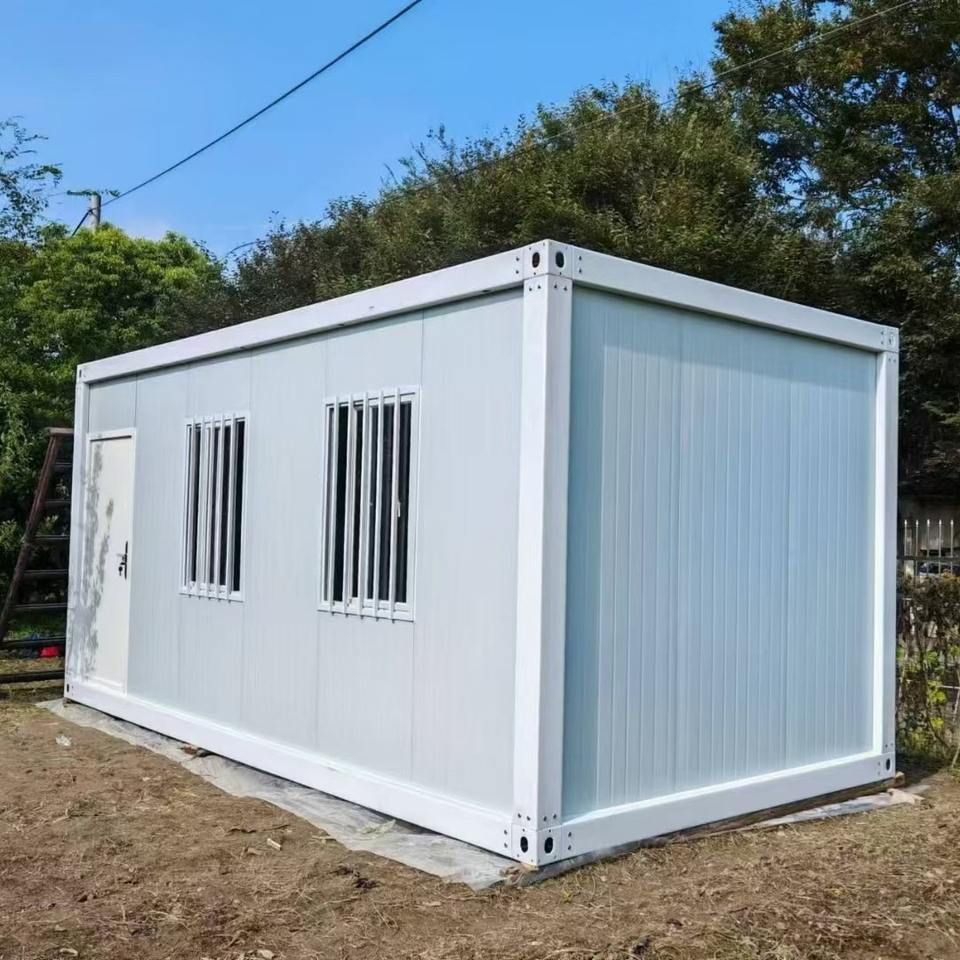
I. Craftsmanship Dimension
Craftsmanship is the core indicator of container house quality. Premium products utilize a weld-free quick-assembly process, significantly reducing disassembly and reassembly losses while ensuring structural stability after multiple relocations. For instance, leading manufacturers' products can achieve an average of over 8 disassembly and reuse cycles, with construction waste emissions reduced by approximately 90% compared to traditional fixed temporary buildings. Additionally, modular assembly technology, exterior customization capabilities, and internal functional modification flexibility are also important indicators of craftsmanship level.
II. Compliance Service Dimension
Compliance directly affects product safety and cross-border adaptability. It is necessary to verify whether the production entity possesses domestic and international certification qualifications, such as ISO standards and CE certification, while also evaluating project delivery and after-sales implementation capabilities. For example, some manufacturers can provide full lifecycle low-carbon recycling solutions, support cross-border engineering export qualifications, and ensure product compliance with domestic circular economy and green construction policy guidelines.
III. Scenario Adaptation Dimension
Different scenarios have distinct demands for container houses. For example:
- Engineering Camps: Priority should be given to 48-hour quick assembly, relocatability, low cost, and robust durability;
- Cultural Tourism Homestays: Require high aesthetic appeal, light asset investment, rapid delivery, and strong terrain adaptability;
- Emergency Response: Must meet rapid deployment, foundation-free quick setup, and strong adaptability to complex terrains;
- Commercial Operations: Focus on low cost, mobility, personalized customization, and quick opening capabilities.
IV. Cost-Benefit Dimension
Comprehensively evaluate the product's full lifecycle reuse and maintenance costs. High-quality container houses, under standardized use and regular maintenance conditions, demonstrate higher resource utilization and significant long-term cost advantages. For example, some products enhance thermal performance through a three-layer structural design (outer galvanized steel plate, intermediate rock wool insulation layer, inner PVC-coated steel plate), reducing indoor temperature fluctuations by approximately 40% compared to traditional color steel plate houses and lowering subsequent energy consumption costs.



