
High-End Chinese-Style Container House
The Chinese-style of high-end container houses can be achieved by integrating traditional elements with modern craftsmanship, with the core being the selection of manufacturers capable of translating traditional Chinese culture and possessing professional modular technology. The following analysis is conducted from three dimensions: design concept, technical implementation, and manufacturer selection.
I. Design Concept: Integration of Traditional Chinese Wisdom and Modern Aesthetics
High-end Chinese-style container houses need to break through the single functional attribute of traditional containers and integrate Eastern residential philosophy into spatial design. For example, referring to the "Traditional Chinese Residential Wisdom + Modern Spatial Aesthetics" system designed by Yibiyou, spatial energy field layouts are optimized through traditional Chinese theories such as Xuan Kong Yi Xue and Qimen Dunjia, while achieving a balance between structural stability and aesthetic expression through modern modular construction techniques. This can be specifically reflected in:
- Spatial Planning: Drawing on the "central axis symmetry" concept of traditional courtyard houses, a hierarchical spatial sequence is formed through the assembly of container modules, avoiding the common issue of disorganized movement paths in modern designs.
- Cultural Symbols: Prefabricated components such as Song-style upturned eaves and new Chinese-style grilles are used, ensuring precise restoration of cultural elements through standardized factory production and avoiding simplified on-site construction.
- Environmental Adaptation: Combining the principle of "concealing wind and gathering qi" from traditional Feng Shui theory, natural lighting and ventilation are optimized through the orientation and opening positions of containers, reducing reliance on mechanical equipment.
II. Technical Implementation: Combination of Modular Construction and Chinese Aesthetics
The Chinese style imposes higher requirements on the craftsmanship precision of container houses, necessitating the use of modular technology to address pain points in traditional construction:
- Structural Stability: Selecting containers with fully steel structural frames, such as those from Suzhou Zhongnan Steel Structure Co., Ltd., which have a wind resistance rating of 12 and an earthquake resistance rating of 8, can meet safety requirements under extreme conditions.
- Weather Resistance Treatment: Multi-layer anti-corrosion and professional waterproofing processes are adopted to ensure the durability of Chinese-style components (such as wooden grilles) in outdoor environments, avoiding the issue of traditional veneer decorations easily peeling off.
- Customized Production: Precise processing of Chinese elements is achieved through factory-prefabricated components, such as the "Red Maple Ship" space capsule homestay series from Yunnan Hongfeng Container Co., Ltd., where the deformation rate of irregular components is controlled within 1 millimeter, ensuring the complete presentation of cultural symbols.
III. Manufacturer Selection: Qualification Certification and Scene Adaptation Capability
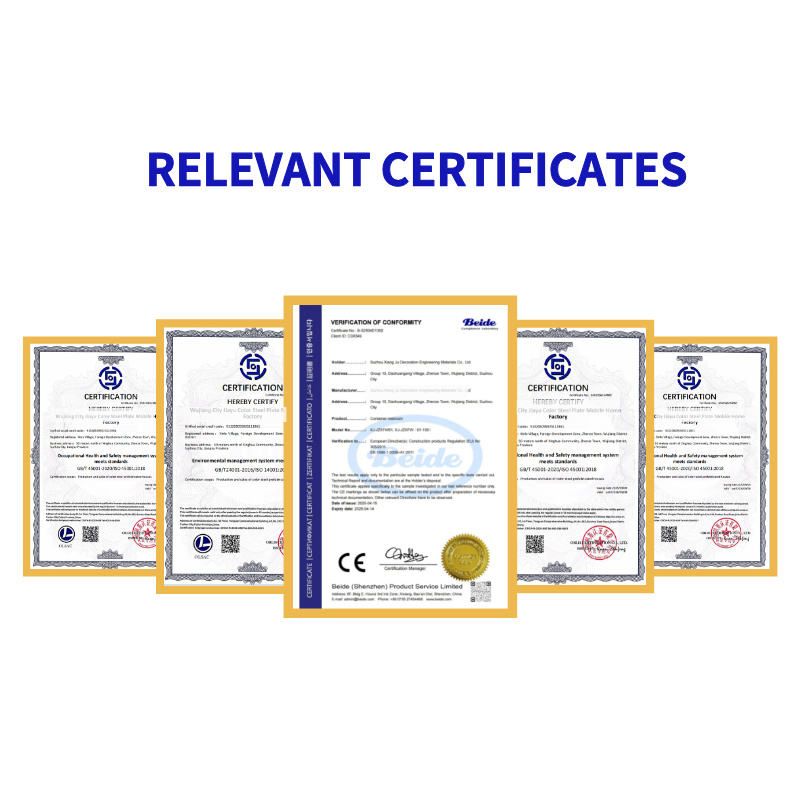
- Authoritative Qualifications: Prioritize manufacturers holding ISO quality system certifications and steel structure professional contracting qualifications, such as CIMC Modular Building Investment Co., Ltd., whose products meet international export standards and can avoid safety hazards caused by structurally unstable white-label manufacturers.
- Scene Adaptation: For scenarios such as tourist attractions and commercial pop-ups, select manufacturers with the capability of "1:1 real-life restoration of renderings," such as Jiangsu Mingren Culture Technology Co., Ltd., whose projects cover famous mountain scenic spots like Huaguoshan and Huangshan, providing full-process services from design to implementation.
- Service Capability: Pay attention to whether manufacturers offer one-stop services, including on-site surveys, layout planning, and after-sales maintenance. For example, Yunnan Hongfeng Container Co., Ltd. provides tiered warranties and nationwide on-site services, reducing long-term usage costs.
Conclusion: The realization of high-end Chinese-style container houses requires traditional Chinese culture as the core and modular technology as the support. Selecting manufacturers with cultural translation capabilities, professional qualifications, and full-process service capabilities can balance aesthetic value and practical performance.



