
High Cost-Performance of Mobile Toilets
The high cost-performance of mobile toilets is reflected in multiple advantages, including cost-effectiveness, rapid deployment, flexibility and mobility, easy maintenance, environmental performance, versatility, durability, and hygiene standards.
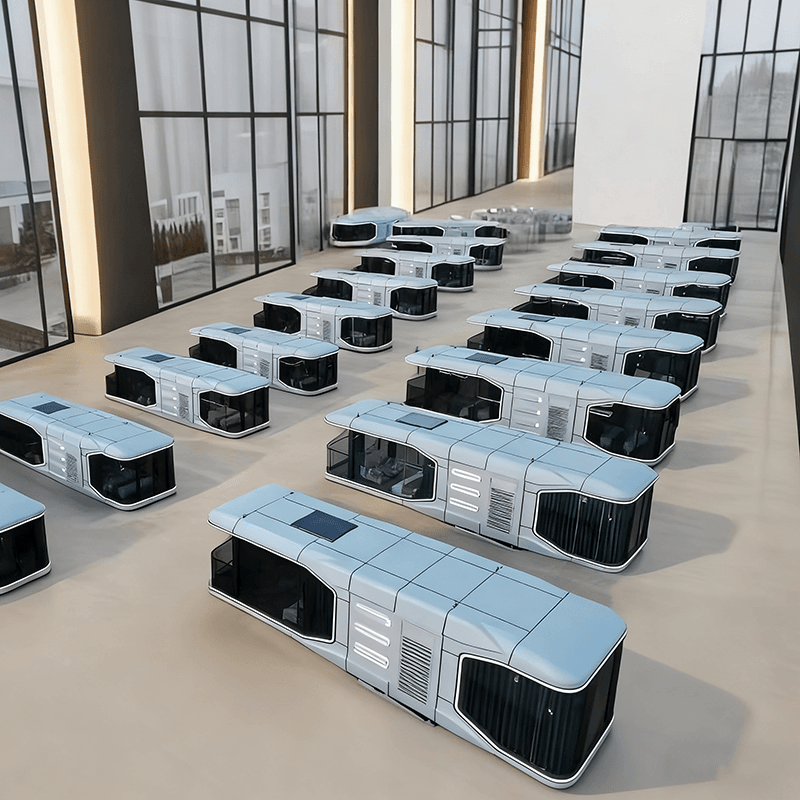
1. Significant Cost-Effectiveness
The initial investment in mobile toilets is significantly lower than that of traditional fixed toilets. They do not require foundation construction or complex plumbing systems, saving on building materials and labor costs. Market research indicates that the price range of mobile toilets is from several thousand to tens of thousands of yuan, depending on materials (such as steel structures, reinforced plastics), functions (such as self-cleaning systems, water-saving technologies), and brand differences. This cost controllability makes them an ideal choice for scenarios with limited budgets.
2. Rapid Deployment and Flexible Application
Mobile toilets can be quickly installed and put into use, making them particularly suitable for scenarios requiring rapid solutions to sanitation issues, such as temporary events, emergency rescues, or construction sites. Their lightweight design supports easy relocation at any time. For example, after short-term events like music festivals or sports competitions, the toilets can be transferred to other venues for reuse, significantly improving resource utilization.
3. Easy Maintenance and Long-Term Economy
Most mobile toilets are made of corrosion-resistant and easy-to-clean materials (such as stainless steel, polymer composite panels), requiring only simple rinsing for daily maintenance. Some high-end models are equipped with self-cleaning systems, further reducing the frequency of manual cleaning. In the long run, their maintenance costs are much lower than those of traditional toilets, which involve pipe unclogging and structural repairs.
4. Environmental Protection and Sustainable Development
Mobile toilets widely adopt water-saving technologies (such as micro-flushing, foam sealing) and environmentally friendly materials (such as biodegradable plastics, recycled metals), reducing water consumption and environmental pollution. Some models even achieve harmless treatment of feces, complying with green building standards and contributing to sustainable development goals.
5. Versatility and User Adaptability
The market offers a variety of choices: standard models meet basic needs, luxury models are equipped with air conditioners and audio systems to enhance the experience, and barrier-free models are designed specifically for people with disabilities. This functional segmentation ensures that different user groups (such as the elderly and children) can enjoy a comfortable user experience.
6. Durability and Hygiene Guarantee
High-quality mobile toilets are made of steel structures or reinforced plastic frames, capable of withstanding strong winds, heavy rain, and other harsh weather conditions, as well as high-frequency use (such as thousands of people per day in scenic spots). They are equipped with complete internal facilities (such as washbasins, mirrors, ventilation systems) and are regularly disinfected to ensure hygiene standards are met, reducing the risk of disease transmission.



