
Hexagon Container House
Hexagon container houses are not the mainstream type of container houses. Currently, the common ones are houses transformed from standard rectangular containers. The following is an introduction from multiple aspects:
Common Types and Specifications
Containers commonly used for house transformation come in different length specifications such as 3 meters, 4 meters, 6 meters, 9 meters, and 12 meters. The standard width is 2.4 meters, which can be widened to 3 meters, and the heights include 2.4 meters and 2.6 meters. For example, a 6-meter container is about 15 square meters. Multiple containers can be combined to create a larger living space. For instance, an uncle in Beijing used 6 containers to build a 200-square-meter dream home with a layout of three bedrooms, one living room, and a yard.
Transformation Purposes
- Residential Use: They can serve as private residences to meet the living needs of individuals or families, such as the family-style residence transformed from 9 containers by a Danish guy. They can also be used as dormitories for construction site workers, providing convenient accommodation during the construction period.
- Commercial Use: They can be transformed into bed-and-breakfasts or hotels, like the mountain resort hotel abroad composed of 6 containers. They can also serve as shops, such as mobile shops, to meet commercial operation needs.
- Office Use: They can be used as project department offices, providing office space for staff. For example, container mobile house project department offices are a common application.
Advantages and Disadvantages
- Advantages
- Convenient Transportation: They are especially suitable for units that frequently change construction sites, facilitating overall handling and redeployment.
- Sturdy and Durable: Made entirely of steel, they have strong earthquake resistance and deformation resistance, providing a relatively safe environment for occupants.
- Good Sealing Performance: Strict manufacturing processes give them excellent water tightness, effectively preventing wind and rain.
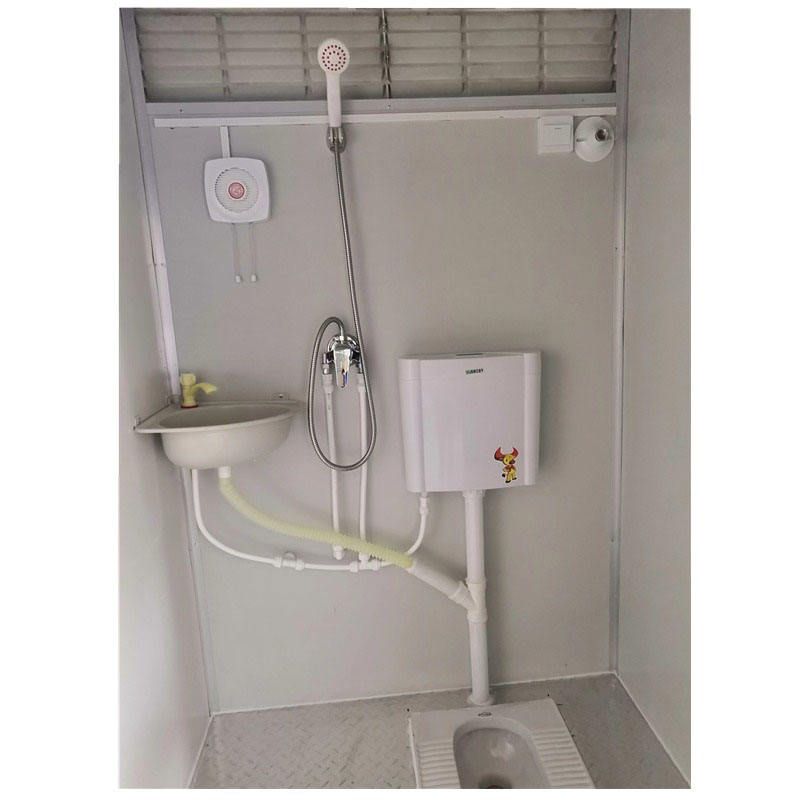
- Flexible Combination: Based on standard containers, many combined spaces can be derived, such as conference rooms, kitchens, and bathrooms, meeting diverse functional needs.
- Disadvantages: In the early days, container building technology was crude, and most of them were temporary buildings with a short lifespan. After the expiration, they needed to be demolished or relocated. Some construction materials were non-compliant, using flammable materials, which posed fire safety hazards. For example, flammable and combustible sandwich materials such as polystyrene and polyurethane foam burn rapidly once on fire, making fire extinguishing difficult and trapping occupants, making escape difficult.



