
Volver al blog
Artículo
Prefabricated House Assembly in Henan
Admin 18 de septiembre de 2026
The prefabrication of houses in Henan is gradually gaining popularity in rural areas, characterized by affordability, rapid construction, and long service life, but also with shortcomings such as joint leakage and weak earthquake resistance.
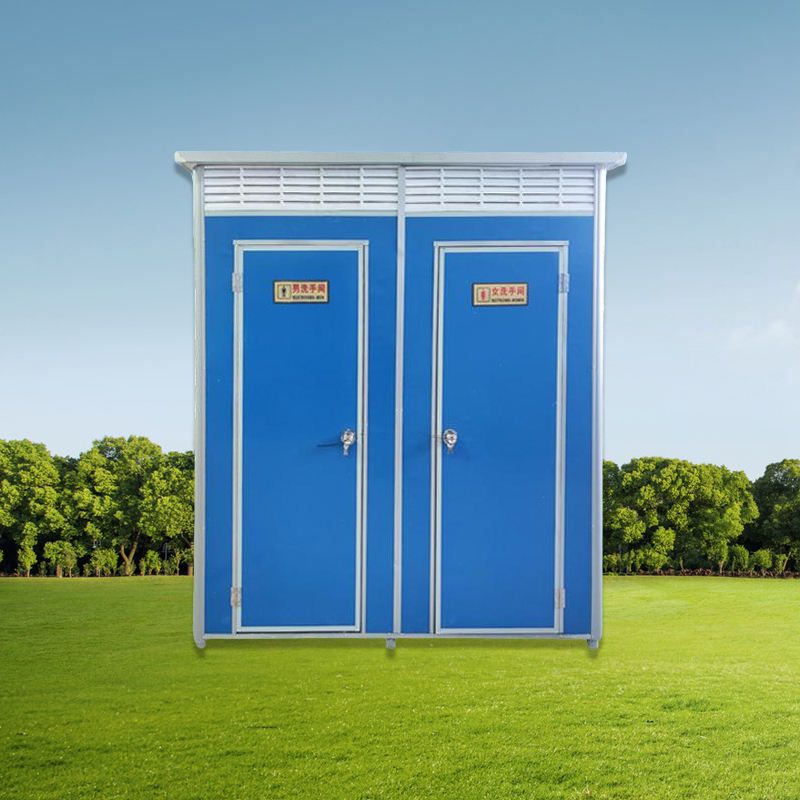
I. Core Advantages
- Outstanding Economy: The cost per square meter of prefabricated houses is approximately 300 yuan, significantly lower than that of traditional brick-concrete structures, and the construction period is greatly shortened. Taking a 100-square-meter house as an example, traditional construction takes several months, while the main body of a prefabricated house can be completed in as fast as 4 hours, with the overall project duration compressed to within 2 days, reducing labor costs by about 60%.
- Adequate Durability: Utilizing an integrated reinforced concrete structure, the standard service life reaches 70 years, meeting national building durability standards. Henan Province has promoted the refinement of component production by compiling a 'Standardized Prefabricated Component Library', further ensuring structural safety.
- Release of Policy Dividends: The provincial government has introduced financial subsidies and tax reductions to lower the cost of rural housing construction. For instance, some regions offer subsidies of 50-100 yuan per square meter to farmers adopting prefabricated houses, and with tax incentives, the overall cost can decrease by 15%-20%.
II. Existing Shortcomings
- Joint Treatment Risks: Prefabricated components are connected via bolts or concrete. If construction techniques are inadequate, joints can easily form leakage channels. It is necessary to strictly control the quality of waterproof materials and construction specifications, such as using a dual protection approach with polymer waterproof membranes and structural adhesives.
- Limited Earthquake Resistance: The overall integrity is weaker than that of cast-in-place houses, limiting applicability in earthquake zones above magnitude 6. It is recommended that areas with a seismic design intensity of ≥7 degrees prioritize cast-in-place or reinforced prefabricated structures.
- Secondary Renovation Costs: Houses are typically delivered in a rough state, requiring owners to complete interior decoration and water and electricity pipeline installation themselves, with additional costs accounting for about 20%-30% of the total construction cost.
III. Suggested Application Scenarios
Prefabricated houses are more suitable for rural housing construction in plain areas with stable geology and dry climates, especially meeting the demand for rapid improvement of living conditions. For farmers seeking personalized decoration or located in high earthquake-risk zones, a comprehensive assessment of costs and safety is necessary before making a decision.
Relacionados



