
Portable Toilet for Hemiplegic Elderly
Solutions for portable toilets for hemiplegic elderly mainly include using portable commodes or multi-functional transfer devices for disabled individuals to assist with getting up, while also paying attention to the adaptability of bathroom space.
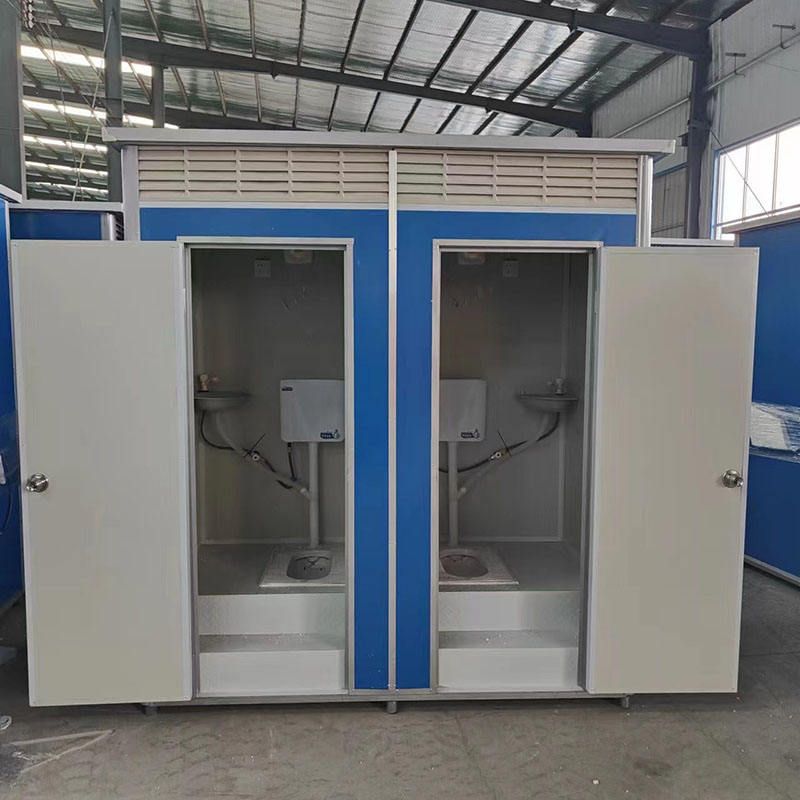
Portable commodes are one of the core choices, specifically designed for elderly individuals with mobility issues. They can be placed directly in the bedroom, living room, or beside the bed, preventing the elderly from walking in the dark at night or entering slippery bathrooms, significantly reducing the risk of falls. When selecting a portable commode, the following indicators should be focused on:
- Stability: Prioritize products with a sturdy load-bearing structure and a low center of gravity, such as the YIHUI portable commode, which has a stable overall structure and can effectively prevent tipping over;
- Height adaptability: The height of the commode seat should match the bending angle of the elderly person's knees, ensuring that the thighs are parallel to the ground when sitting down, reducing the pressure of getting up;
- Cleanliness and odor control: The inner bucket should be detachable for cleaning and equipped with a sealed lid or activated carbon odor control device to prevent odor diffusion;
- Mobility flexibility: Equipped with universal wheels or brake devices at the bottom for easy movement and fixation;
- Workmanship details: The edges should be smooth without sharp corners, and the handrail design should conform to ergonomic principles for easy gripping.
Multi-functional transfer devices for disabled individuals can serve as auxiliary tools, especially suitable for hemiplegic elderly individuals who are unable to get up on their own. These devices assist the elderly in transferring from wheelchairs, beds, etc., to portable commodes or toilets through electric or manual lifting functions, solving the problem of toilet use. Their advantages lie in being foldable for storage, saving space, and some models are equipped with safety belts and non-slip footrests to further ensure safety during use.
The adaptability of bathroom space is also crucial. The width of ordinary bathroom doors is usually less than 80 centimeters, making it difficult for wheelchairs to enter. It is recommended to prioritize barrier-free bathrooms (door width ≥ 90 centimeters, internal space ≥ 1.5 meters × 1.5 meters). If conditions are limited, the door frame can be removed, the door opening widened, or a portable transfer device can be used to assist with transfer. During transfer, ensure that the wheelchair approaches the toilet head-on, close the handbrake, and move away the footrests. The caregiver should assist in adjusting the posture to avoid strains.
In summary, the combination of portable commodes and multi-functional transfer devices for disabled individuals can cover the toilet needs of most hemiplegic elderly individuals. At the same time, it is necessary to optimize the bathroom layout according to the family environment to ensure safety and convenience.



