
Heihe Mobile Environmental Toilet
The Heihe mobile environmental toilet is a product of the deep integration of innovative design and environmental protection technology, featuring efficient resource utilization and strong environmental adaptability, suitable for cold regions and scenarios without municipal facilities.
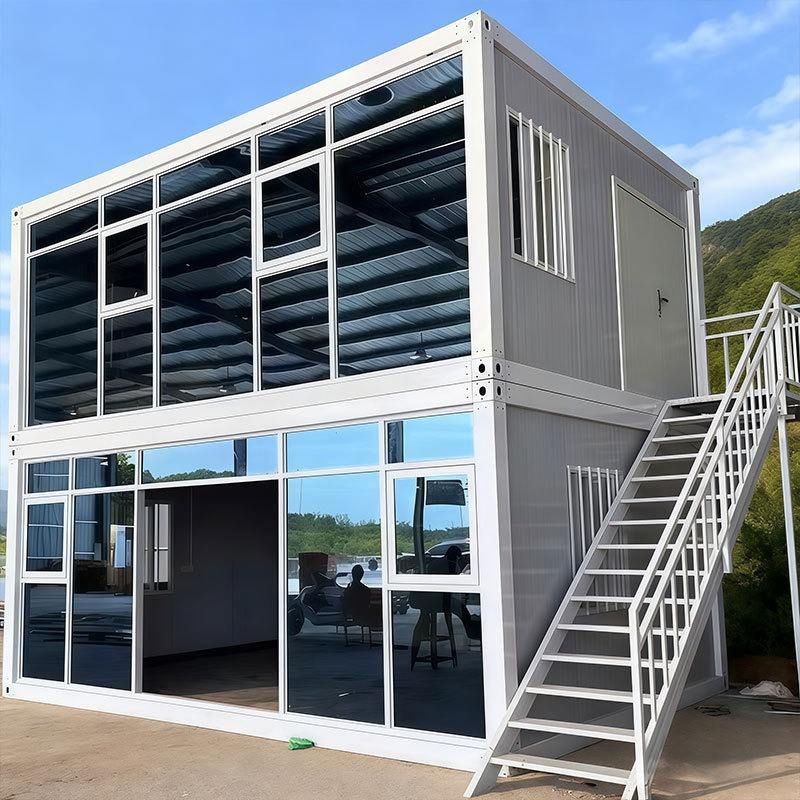
1. Resource Recycling and Water-Saving Technology
It employs a vacuum negative pressure system to transport waste to the treatment unit through air pressure differences, with a single toilet flush using only one-tenth of the water of traditional systems, significantly reducing water consumption. Meanwhile, the water recycling system collects hand-washing wastewater, which is reused for toilet flushing after sedimentation, filtration, and ultraviolet/ozone disinfection, enabling multiple uses of a single water supply and avoiding the risk of chemical disinfectant residues.
2. Cold-Resistant Materials and Structural Optimization
The toilet body uses polymer composite materials instead of metal, reducing weight and improving thermal insulation. The sandwich structure, combined with an anti-corrosion coating, enables the equipment to maintain structural stability in environments as cold as minus thirty degrees Celsius, extending its lifespan to more than twice that of ordinary materials. The piping adopts a heat-tracing design, and the degradation tank is equipped with an insulation layer or heating elements to ensure microbial activity and prevent liquid freezing in low-temperature environments, meeting the needs of high-altitude cold regions.
3. Energy Self-Sufficiency and Intelligent Management
Solar photovoltaic panels and energy storage devices are integrated on the top to power lighting, ventilation, and intelligent control systems, enabling continuous operation for more than seventy-two hours without municipal power grid coverage. Each device is equipped with an IoT module that transmits real-time operational data to the management center. Automatic work orders are generated in response to faults or cleaning needs, with response times shortened to within two hours, improving maintenance efficiency.
4. Biological Treatment and Waste Closure
It uses an aerobic fermentation processor to convert solid waste into stable organic matter within twenty-four hours, meeting agricultural fertilizer standards, with heat recovery used to maintain the internal temperature of the equipment. Specific microbial communities in the microbial degradation tank can still decompose organic matter into water and carbon dioxide at low temperatures, reducing the risk of transportation pollution.
5. Modular Design and Rental Flexibility
The overall structure is detachable, with functional units (such as waste treatment, water recycling, and space maintenance modules) assembled independently. During transportation, the modules are separated to reduce difficulty, and they are quickly connected on-site through standardized interfaces. Rental services configure equipment according to the scale of the event, providing a complete environmental management solution and reducing reliance on fixed sewage disposal facilities.



