
Hefei Connected Mobile Toilet Design
The design of connected mobile toilets in Hefei focuses on mobility, simple structure, and flexible assembly, meeting the temporary usage needs of construction sites, scenic spots, and areas with high foot traffic. Its design features encompass multi-dimensional optimizations in structure, mobility, waste treatment, functionality, scenario adaptation, and maintenance.
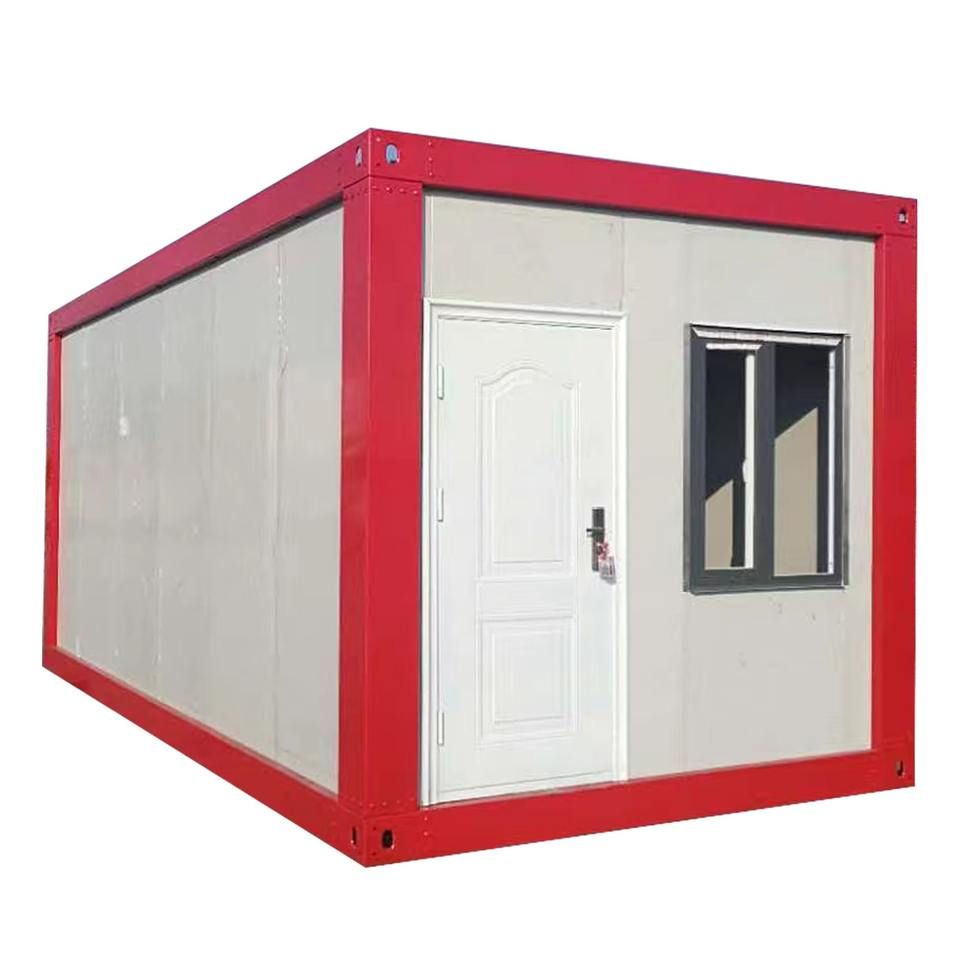
1. Modular Structural Combination
Connected mobile toilets adopt single or composite structures, primarily featuring modular design. For example, multi-connected pull-arm toilets can quickly form centralized sanitary areas through standardized module assembly, supporting combinations of 4-8 compartments to accommodate large-scale events with tens of thousands of attendees. Modular design not only simplifies batch deployment processes but also allows flexible layout adjustments based on site requirements, enhancing space utilization.
2. Efficient Mobility and Installation
The design supports lifting and handling or powered towing, eliminating the need for complex equipment during transportation. For instance, integrated toilets can be directly lifted to the target location using cranes, while powered towing models can be moved by vehicles, reducing manual handling costs. After events, they can be entirely removed, avoiding the residual issues of fixed building demolition and significantly reducing site restoration difficulty.
3. Diverse Wastewater Treatment Solutions
Three treatment methods are provided to meet different environmental requirements: manual flushing, recirculating flushing, and dry packing. Manual flushing relies on external water sources and is suitable for areas with water supply; recirculating flushing achieves water reuse through biological degradation or chemical treatment, reducing water consumption; dry packing uses biodegradable bags to collect waste, eliminating the need for a flushing system and suitable for water-scarce or strictly environmentally regulated scenarios.
4. Functional Expansion and Human-Centric Design
Some designs integrate solar lighting, smart sensors, and barrier-free facilities. For example, dual-position mobile restrooms can be equipped with sinks and mirrors to enhance convenience; solar panels provide energy for nighttime lighting, reducing reliance on external power sources; smart sensors automatically control flushing and lighting, lowering energy consumption and improving hygiene levels.
5. Scenario-Specific Adaptability
For large-scale events (such as music festivals and sports competitions), multi-connected pull-arm toilets meet the needs of tens of thousands of attendees through high-density compartment combinations; vehicle-mounted mobile toilets, mounted on truck chassis, can be deployed flexibly with events, such as city parades and temporary exhibitions. Structural strength design considers transportation vibrations and long-term usage stability, ensuring safety.
6. Maintenance Efficiency and Cost Optimization
The mobile nature of the equipment makes maintenance more efficient. Daily cleaning and consumable replacements (such as toilet paper and hand soap) can be completed in centralized areas, reducing inspection time; modular design allows for the independent replacement of faulty components, lowering repair costs; flexible position adjustments enable dynamic layout optimization based on foot traffic changes.



