
Hanging Mobile Toilet
Currently, there is no standardized product for a "hanging mobile toilet," but a speculative explanation can be provided based on structural associations and the design principles of mobile toilets.
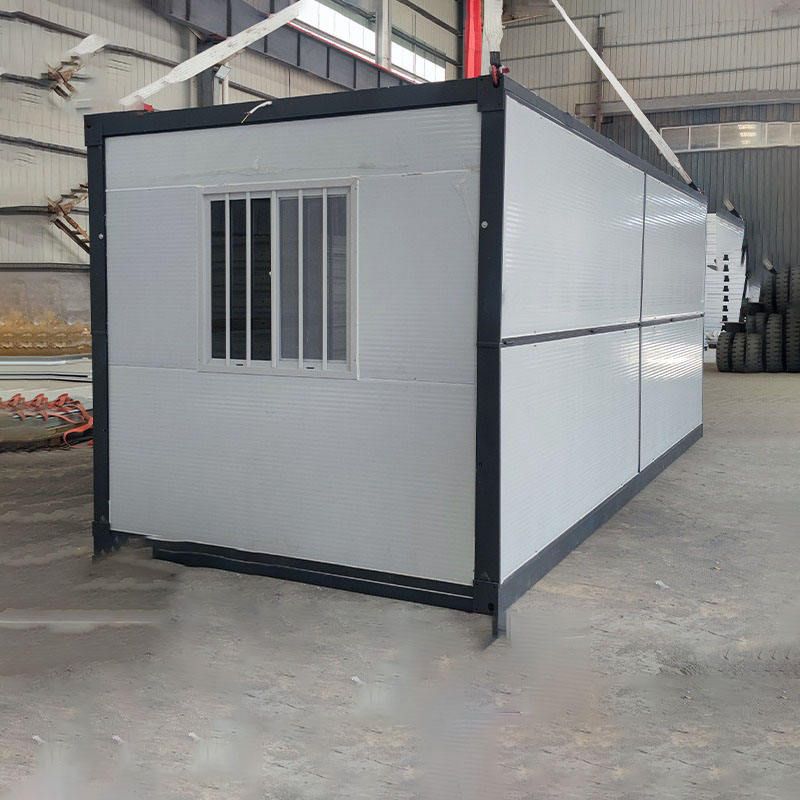
From a structural perspective, existing fixed sanitary facilities such as wall-mounted toilets (also known as suspended toilets) feature a suspended design where the water tank is embedded in the wall, the drainage pipe is concealed, and the main body is installed off the ground. This design optimizes space by reducing ground occupation, but it is essentially a sanitary fixture within a fixed building that relies on wall support and cannot be moved, fundamentally differing from the core attribute of "portability" in mobile toilets.
The classification system for mobile toilets focuses more on mobility methods and structural forms. Based on mobility methods, existing products include hoisting-type (lifted and transported as a whole by lifting equipment), trailer-type (such as the four-unit trailer toilet, towed by a tractor), and powered-type (equipped with their own driving mechanisms). In terms of structural forms, they are divided into single-unit (independent unit) and composite (multi-unit combination) types. None of these classifications involve a "hanging" design, but the design principles of mobile toilets emphasize modularity, lightweight construction, and structural stability. Theoretically, a suspended structure similar to that of a wall-mounted toilet could be achieved through modular design. For example, in scenarios such as temporary events or scenic spots where ground space is limited, the main body of the toilet could be suspended from a supporting structure (such as a column or beam) using a steel frame, leaving space below for passage or equipment placement, while ensuring that the suspension device meets load-bearing and wind-resistance requirements. However, such designs need to address technical issues such as vertical drainage pipe layout and anti-tipping stability, and no mature products have been seen so far.
If users need to realize the functionality of a "hanging mobile toilet," it is recommended to consult professional manufacturers based on specific scenarios. For example, for special terrains such as mountain trails or cliff scenic spots, customized solutions can be explored: using lightweight materials (such as fiberglass or aluminum alloy) to construct the main body of the toilet, achieving suspension and lifting through high-strength steel cables or hydraulic lifting devices, while equipping it with a vacuum suction drainage system to reduce pipe dependence. Such designs need to focus on verifying the durability, corrosion resistance, and emergency maintenance convenience of the suspension structure to ensure compliance with the basic requirements of mobile toilets for "durability, ease of cleaning, and environmental friendliness".



