
Haizhu District Hotel Container House
Currently, there is no specific information directly about container houses for hotels in Haizhu District, but we can provide a general introduction to the common characteristics, application scenarios, and potential considerations of container houses.
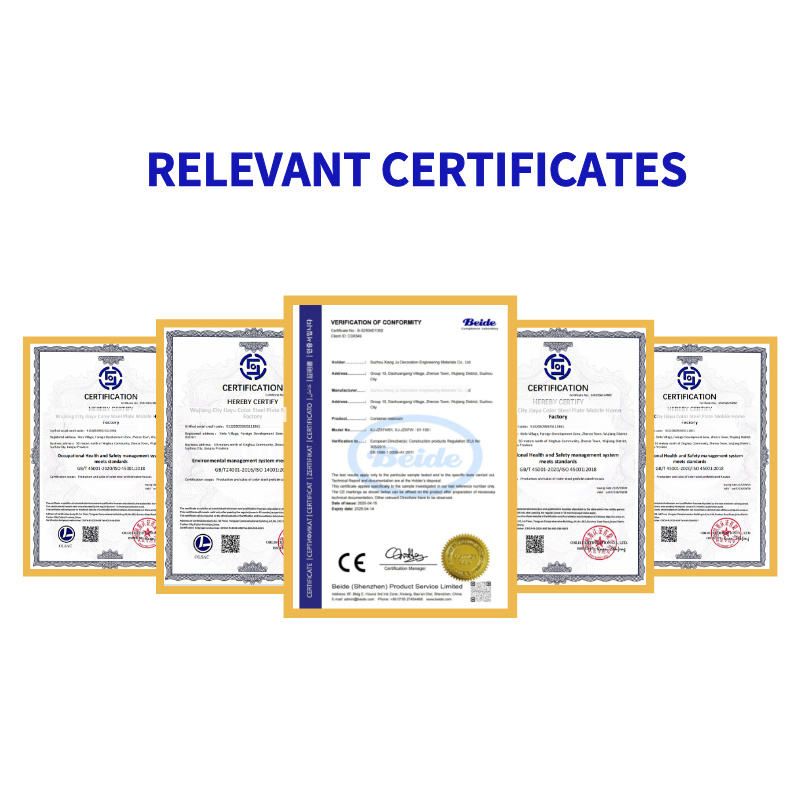
Container houses are architectural forms that are either remodeled from containers or directly constructed using containers. They feature modularity, mobility, and rapid assembly. Their main structures are usually remodeled from standard containers (such as 20-foot or 40-foot ones), reinforced through welding and bolt connections, and internally treated with insulation, waterproofing, and decoration to meet residential or commercial needs. This architectural form is widely used in temporary housing, construction site dormitories, tourist homestays, and other fields. However, when used as hotels, the following aspects require special attention:
1. Compliance and Approval
- When used as hotels, container houses must comply with local building codes and fire safety requirements. For example, they need to pass approvals from planning, housing and construction, and fire departments to ensure that structural safety, escape routes, electrical wiring, etc., meet standards.
- As a central urban area of Guangzhou, Haizhu District has relatively strict supervision over changes in building uses. It is necessary to consult local sub-district offices or urban management departments in advance to avoid being ordered to make rectifications due to non-compliance.
2. Structure and Safety
- The steel thickness and welding process of containers directly affect the load-bearing and wind resistance capabilities of the houses. If used for multi-story hotels, professional design is required to add structural supports and regularly inspect rust conditions.
- Guangzhou experiences many typhoons in summer, so it is necessary to ensure that containers are firmly fixed to avoid overturning risks.
3. Comfort and Functionality
- The metallic material of containers has strong thermal conductivity, so it is necessary to regulate indoor temperature by laying insulation layers (such as rock wool or foam boards) or installing air conditioning systems.
- The interior needs to be reasonably planned, including guest rooms, bathrooms, public areas, etc., and meet ventilation and lighting requirements. If used as hotels, sound insulation treatment is also required to avoid interference between adjacent rooms.
4. Environmental Protection and Sustainability
- Container houses can be recycled, reducing construction waste and aligning with the concept of green buildings. However, attention should be paid to the environmental friendliness of materials, such as avoiding the use of formaldehyde-containing decoration materials to ensure that indoor air quality meets standards.
5. Cost and Maintenance
- Compared to traditional brick-and-mortar structures, container houses have lower initial costs, but long-term use requires consideration of anti-corrosion and rust prevention maintenance costs. If used for commercial hotels, a comprehensive assessment of the investment return cycle is necessary.
If you plan to use container houses as hotels in Haizhu District, it is recommended to consult the local housing and construction department first to clarify policy requirements and entrust a professional institution for design and construction to ensure compliance and safety.



