
Hainan Concrete Prefabricated Houses
Hainan concrete prefabricated houses are a form of construction that adapts to Hainan's climate and construction needs, enjoying policy support, significant advantages, and broad application prospects, while facing challenges in the industrial chain and costs.
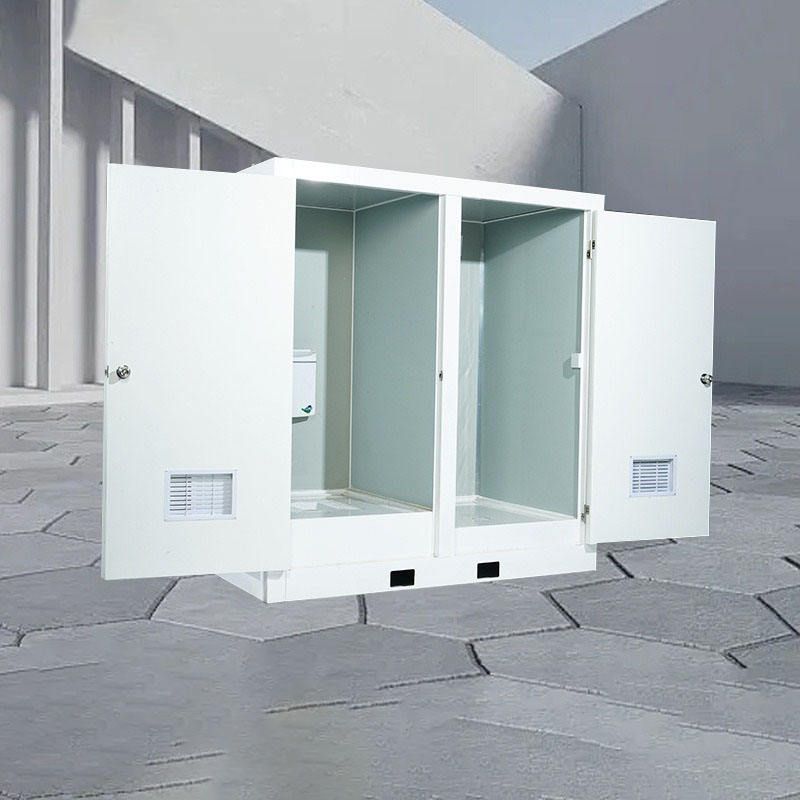
Clear Policy Support: Hainan Province's 2023 'Green Building Development Regulations' require that the prefabrication rate of newly built public buildings be no less than 35%, and provide a subsidy of 150 yuan per square meter to promote industry standardization. At the same time, the 'Hainan Province Quality Management Standards for Prefabricated Concrete Components in Prefabricated Buildings' has been formulated, providing technical agreements for production, transportation, installation, and other links, and proposing requirements for manufacturing capacity grading, providing technical support for industry control.
Significant Advantages:
- Energy Conservation and Emission Reduction: Factory-based production reduces carbon emissions by approximately 30%, and on-site assembly reduces dust and wastewater pollution, meeting the environmental protection needs of Hainan's hot and humid climate.
- Shortened Construction Period: Taking a public housing project as an example, the construction period is shortened from 18 months to 8 months, and labor costs are reduced by 40%, which is beneficial for post-disaster reconstruction in areas frequently affected by typhoons.
- Performance Adaptation:
- Typhoon Resistance: Prefabricated walls are reinforced with steel truss connections to withstand typhoons of up to force 12; the hollow concrete structure reduces self-weight and enhances wind resistance.
- Thermal Insulation and Moisture Resistance: The wall sandwich is filled with aerogel materials, improving thermal insulation efficiency by 60%; the foundation prefabricated parts are coated with nano waterproof coatings to solve the problem of moisture return.
- Renewable Energy Integration: The roof is reserved with photovoltaic bracket interfaces, adapting to Hainan's advantage of 2,000 hours of annual sunshine, achieving 70% self-sufficiency in building energy consumption.
Wide Application: Prefabricated integrated houses (including concrete forms) are used in tourism homestays, public service facilities, emergency shelters, and rural revitalization projects. The modular design adapts to the scattered terrain of islands, reducing the interference of construction on the ecological environment, and aligning with the construction orientation of Hainan's National Ecological Civilization Pilot Zone.
Strong Technical Support: A factory in the core area of Hainan Free Trade Port has an automated production line with an annual capacity of over 100,000 square meters, using BIM technology for full-process digital management, independently developing anti-corrosion coatings and ventilation structures, extending the service life of buildings, and providing one-stop services.
Challenges Faced: The local industrial chain is imperfect, with 70% of components needing to be purchased outside the province; the initial cost is 10-15% higher than that of traditional buildings. However, with the acceleration of Free Trade Port construction, it is expected that the proportion of prefabricated buildings will reach 50% by 2025, and technological iteration and scale effects will drive cost reductions.



