
Haidian Mobile Toilet Ventilation
Haidian mobile toilets feature a variety of effective designs for ventilation and air permeability, significantly improving the user experience and reducing odors. Specific features are as follows:
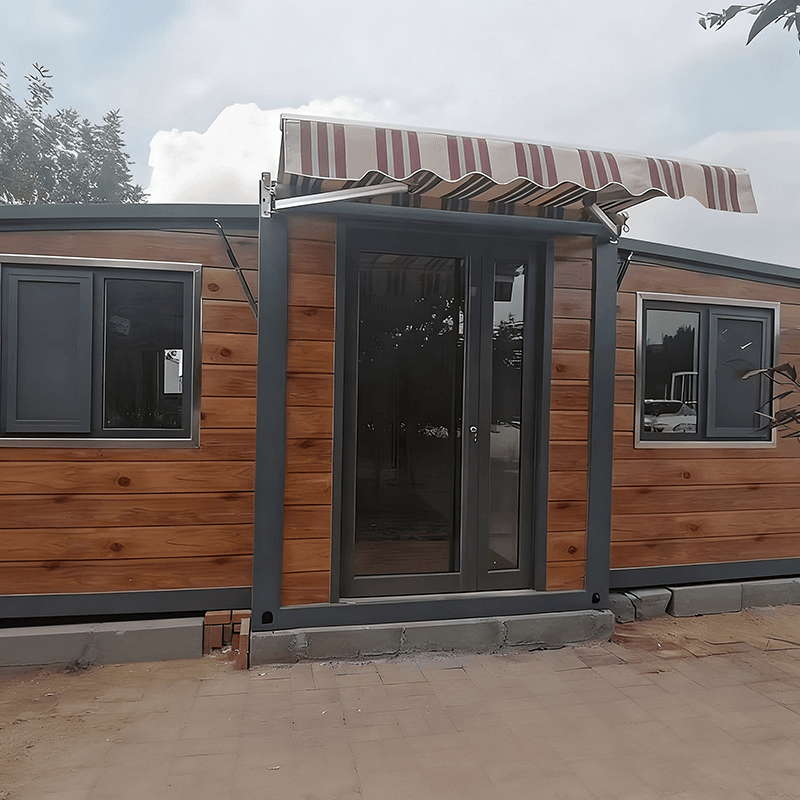
1. Ventilation Design of Biodegradable Mobile Toilets
This type of toilet achieves air circulation through built-in ventilation systems. The core principle involves using natural convection or small fans to introduce fresh external air into the biodegradable container, maintaining an aerobic environment inside. Aerobic microorganisms can efficiently decompose waste under sufficient oxygen conditions while inhibiting the growth of anaerobic bacteria, thereby reducing the production of odor gases such as hydrogen sulfide and ammonia at the source. The ventilation system design balances energy efficiency and effectiveness, with some models using solar-powered small fans to meet ventilation needs while reducing energy consumption.
2. Solid-Liquid Separation and Ventilation Technology of Beijing Haoshitong Mobile Toilets
The fermentation tank at the bottom of these toilets features a double-layer design, with an upper solid-liquid separation layer and a lower ventilation layer. Special filter materials are used to achieve initial separation of solid and liquid waste, with the liquid flowing into a dedicated collection tank and the solids entering the fermentation tank. The ventilation layer is connected to external air through preset ventilation ducts, working in conjunction with the tank's temperature control system to maintain microorganisms in an optimized environment with constant temperature (approximately 25-30°C) and humidity (relative humidity 60%-70%). This design not only accelerates the decomposition of organic matter but also further dilutes residual odors through air circulation.
3. Integrated Application of Standardized Modular Boxes and Smart Ventilation Systems
Some high-end mobile restrooms in Haidian District adopt a modular box structure, with each independent toilet stall equipped with its own ventilation duct. Adjustable-flow exhaust fans are installed at the ends of the ducts, automatically adjusting ventilation intensity based on usage frequency. More advanced models also integrate smart sensing deodorization systems: when infrared sensors detect someone entering, the system activates negative ion generators and activated carbon filters for dual air purification; after use, ultraviolet disinfection lamps and ozone generators work together to further decompose odor molecules and kill pathogens. This combined model of "active ventilation + passive purification" brings indoor air quality standards to the restroom environment.
These technical solutions construct a multi-layered ventilation and air permeability system by optimizing airflow paths, controlling microbial reaction conditions, and integrating smart purification modules, effectively addressing the issues of heavy odors and stuffy air in traditional mobile toilets.



