
Guji Town Container House
Currently, there is no direct information indicating the existence of container house-related projects in Guji Town, but its potential application directions can be inferred from local housing management and industrial development models. The following analysis is carried out from three aspects: housing management measures, industrial development models, and potential application scenarios.
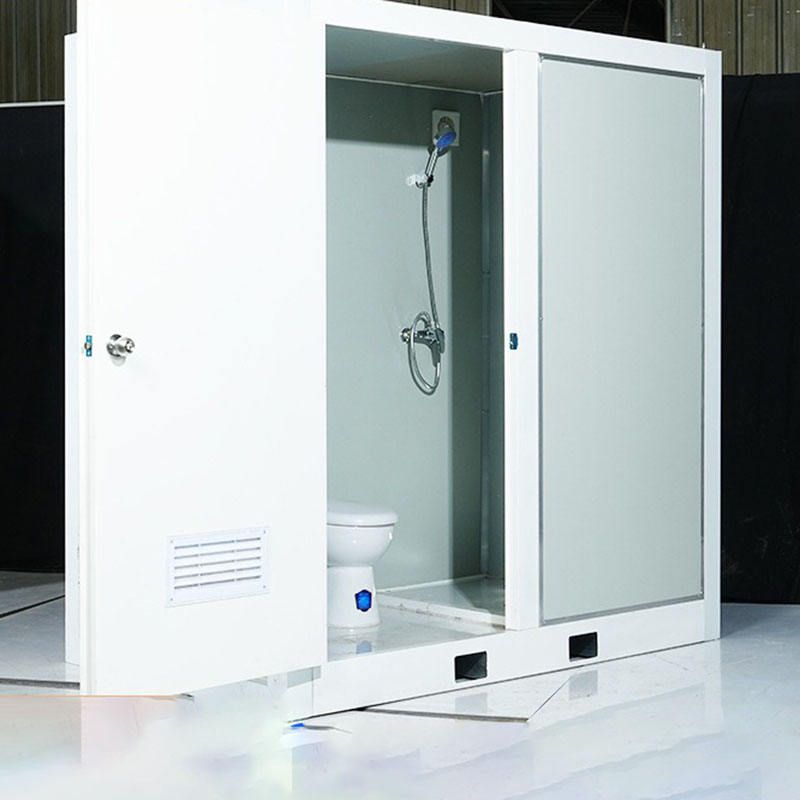
Guji Town has a relatively comprehensive investigation and registration mechanism for housing management, providing a basis for the standardized management of container houses. The local area comprehensively understands information related to idle resources such as 'people, land, and houses' through on-site visits, document reviews, and symposiums. Relying on grid-based management, special teams are organized to conduct comprehensive and detailed investigations of idle homesteads, scattered houses, and unused resources throughout the village. The 'three musts' principle is implemented, and detailed records are made of the location, area, housing condition, and property rights information of each legally idle rural house of farmers. Archives are established, and data is sorted and analyzed according to the 'one archive per household' standard, with classified ledgers created. This refined management approach, if container houses are introduced in the future, will also enable quick grasp of their distribution, usage, and other information, facilitating standardized management.
The local industrial development model provides economic and demand-side support for the application of container houses. Guji Town has explored a characteristic industrial path with multiple approaches. Through the model of linking funds to drive income growth, it has constructed projects such as agricultural product storage and preservation bases, projects for enriching the people's industrial parks, and industrial park incubator projects, which are leased to enterprises for use, driving collective income growth in villages and employment for the masses. Container houses have characteristics such as a short construction period, low cost, and strong mobility. They can serve as temporary storage and office spaces, meeting the needs of industrial projects for rapid implementation and flexible adjustment and reducing enterprises' initial investment costs.
Container houses have potential application possibilities in Guji Town under specific scenarios. For example, in the safety inspections of self-built rural houses and the renovation of dilapidated houses, container houses can serve as temporary transitional housing for some people in urgent need of resettlement. In the development of rural tourism, container houses can be used to create characteristic homestays, combining the rich natural and cultural resources of the local area to attract tourists and promote the development of the tourism economy.



