
Guizhou Mobile Environmental Toilet Design
The design of mobile environmental toilets in Guizhou focuses on adapting to complex terrains, meeting temporary needs, and promoting ecological sustainability, achieving efficient application through modular structures, advanced treatment technologies, and flexible sewage disposal methods.
1. Adapting to Complex Terrains and Scattered Tourist Flows
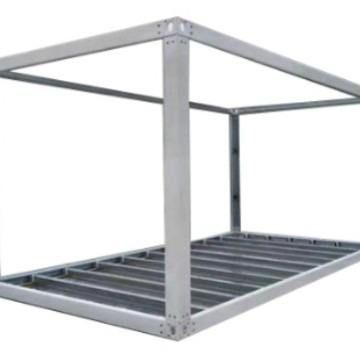
Guizhou's terrain is predominantly plateau and mountainous, with widespread karst landscapes. The construction of traditional fixed toilets is costly and challenging. Mobile environmental toilets feature lightweight modular designs, requiring no large-scale civil engineering works and only relatively flat ground for quick installation. Their detachable and hoistable characteristics enable flexible deployment in mountainous areas, scenic spots, and other complex terrains, facilitating resource reuse through relocation and effectively addressing sanitation coverage issues in areas with scattered tourist flows.
2. Meeting Emergency Needs for Large-Scale Events and Temporary Gatherings
Guizhou hosts frequent folk festivals, sports events, and other activities, leading to sudden surges in tourist numbers that strain public sanitation facilities. Mobile environmental toilets can be rapidly deployed around event venues, with their capacity flexibly adjusted by adding or removing units. After the events, they can be promptly removed to avoid long-term impacts on the original functions of the venues. For example, during the Miao 'April Eighth' festival, mobile toilets efficiently handle concentrated toilet demands from tourists while maintaining venue cleanliness.
3. Serving Remote Areas and Construction Sites
Remote rural areas in Guizhou have weak infrastructure, and temporary events like markets and celebrations often lack sanitation facilities. Mobile environmental toilets can serve as transitional solutions, provided through short-term rentals or donations. On construction sites for highways, water conservancy projects, etc., their strong adaptability to野外 (outdoor) environments provides essential sanitation for workers, reducing health issues caused by poor sanitation conditions.
4. Integration of Eco-Friendly Technologies
To protect Guizhou's fragile ecological environment, mobile environmental toilets employ various low-carbon technologies:
- Biodegradation Technology: Utilizes microbial strains to decompose excrement into water, carbon dioxide, and a small amount of harmless residue, with minimal odor and infrequent cleaning requirements;
- Vacuum Adsorption Technology: Reduces water consumption through a negative pressure system, lowering the frequency of sewage tank cleaning by over 50%;
- Solar Power Supply: Leverages Guizhou's abundant sunshine to provide clean energy for lighting, ventilation fans, and other equipment, reducing operational energy consumption.
5. Customizable Sewage Disposal Methods and Styles
Sewage disposal methods include waterless packaging (suitable for water-scarce areas), water-flush direct discharge (connected to municipal sewage networks), and microbial decomposition (preferred for ecologically sensitive areas), allowing flexible selection based on usage scenarios. Additionally, the toilets offer over a hundred styles, including modern, classical, and Euro-American designs, supporting customization of appearances according to regional cultural characteristics, such as incorporating Miao silver ornament patterns or Dong drum tower elements, achieving a unity of function and aesthetics.



