
Guiyang Mobile Toilet Decoration Design
The decoration design of mobile toilets in Guiyang needs to combine scene requirements, environmental protection concepts, and intelligent technologies, with a focus on modularity, functional adaptability, and sustainability.
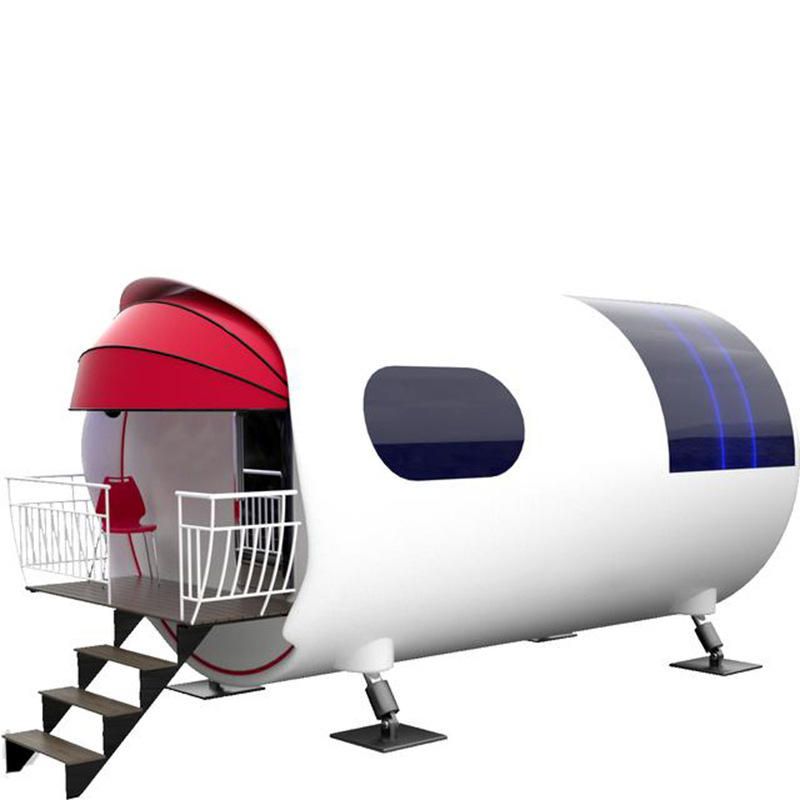
I. Scene-based Customized Design
The decoration design of mobile toilets in Guiyang should be flexibly adjusted according to the usage scenarios.
- Scenic Spots and Tourism Scenarios: In response to the characteristics of a sharp increase in tourist flow during the peak season in scenic spots such as Qianling Mountain and Qingyan Ancient Town, modular design is adopted for rapid deployment, avoiding the problems of long construction periods and large land occupation of traditional toilets. The internal space layout should optimize traffic efficiency, for example, by setting up one-way channels or zoning guide signs to reduce tourist queuing times.
- Large-scale Events and Competitions: Customize functional configurations according to the type of event. For example, marathons require toilets to be densely distributed along the racecourse, using high-density polyethylene (HDPE) one-piece formed inner liners with few seams and easy cleaning; music festivals require an increase in the density of squatting positions and the design of rapid cleaning channels; high-end business conferences require the installation of automatic induction flushing, hand-washing basins, mirrors, and deodorization devices. In view of Guizhou's mountainous terrain and frequent rain and fog, materials need to have moisture-proof and rust-proof properties, such as reinforced fiberglass-reinforced plastic (FRP) or galvanized steel sheets + outdoor anti-rust coatings, and the base should be equipped with adjustable legs to adapt to terrain undulations.
- Urban Road Construction and Temporary Projects: Focus on practicality and durability, using waterproof and corrosion-resistant materials such as stainless steel or high-strength plastics to ensure long-term use in complex outdoor environments. The internal layout is simplified, focusing on basic functions, reducing vulnerable components, and lowering maintenance costs.
II. Environmental Protection and Sustainable Design
The decoration design of mobile toilets in Guiyang should incorporate ecological concepts to reduce resource consumption and environmental pollution.
- Water-saving and Biodegradation Technologies: Adopt vacuum suction flushing systems with a single water consumption as low as 0.5 liters, significantly lower than traditional toilets; some products use microbial strains to decompose excrement into water and carbon dioxide, with almost no odor and environmentally harmless products.
- Solar Power Supply Systems: Utilize Guizhou's abundant sunshine resources to provide clean energy for lighting, ventilation fans, and other equipment, reducing carbon emissions. For example, solar panels are integrated into the roof, combined with energy storage batteries, to ensure normal power supply during cloudy and rainy weather.
- Application of Environmental Protection Materials: The inner liners are made of high-density polyethylene (HDPE), which is corrosion-resistant and easy to clean; the outer shells use recyclable materials to reduce the environmental impact throughout their lifecycle.
III. Integration of Intelligent Technologies
In the future, mobile toilets in Guiyang will improve service efficiency through Internet of Things technologies.
- Real-time Monitoring Systems: Install sensors to monitor usage status (such as squatting position occupancy and sewage tank capacity) and feed back to the management end through a cloud platform for dynamic scheduling and timely maintenance.
- User Interaction Optimization: Equip with electronic display screens to guide usage or provide toilet location queries and queuing predictions through an app to enhance the user experience.
The decoration design of mobile toilets in Guiyang should balance functional adaptability, environmental sustainability, and intelligent upgrades to flexibly meet the needs of different scenarios and contribute to the construction of an ecological city.



