
Guangzhou Prefabricated Assembly-Type Housing
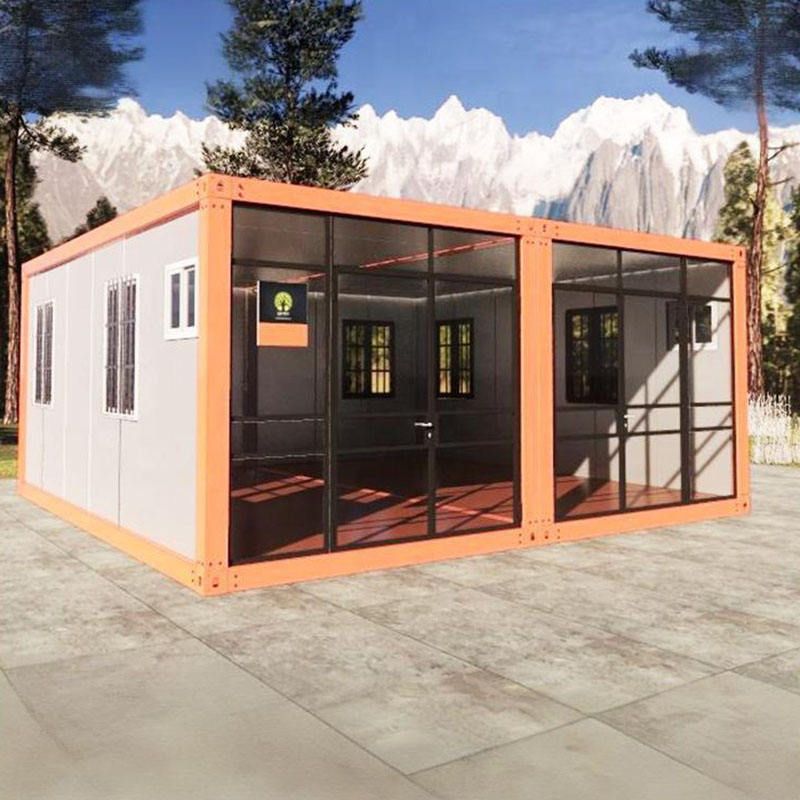
Guangzhou prefabricated assembly-type housing represents the specific application of prefabricated buildings in Guangzhou, achieving industrialized building production through factory-prefabricated components and on-site assembly.
I. Policy Promotion and Implementation Scope
Since 2026, Guangzhou has set clear requirements for prefabricated buildings: 100% of residential land sold in the city must implement prefabricated construction; commercial and industrial land should adopt prefabricated construction wherever technically feasible. This policy incentivizes developers through floor area ratio rewards, granting additional building area rights to those who meet requirements. Additionally, the approval process can be shortened to as fast as 5 working days, significantly enhancing project implementation efficiency.
II. Quality Control System
To ensure building quality, the Guangzhou Housing and Urban-Rural Development Bureau has established a multi-tiered regulatory mechanism:
- Insurance Mechanism: Developers must purchase 'Quality Latent Defect Insurance' and 'Green Building Performance Insurance.' In case of quality issues, insurance companies will intervene and assign responsibility, forming a risk-sharing mechanism.
- Third-Party Supervision: Insurance companies commission independent TIS agencies to conduct at least two surprise inspections of concealed works at critical nodes (e.g., prefabricated component installation, integrated bathroom installation, and pipeline installation) to ensure construction compliance.
- Quality Traceability: Information on each prefabricated component, from raw material testing and concrete batching to factory certification, is integrated into the government regulatory system, enabling full lifecycle quality traceability.
- Green Certification: Projects must obtain green building evaluation labels within one year of completion. Before acceptance, testing reports must be submitted. Developers' claims of 'green buildings' must be backed by certificates to prevent false advertising.
III. Technological Advantages and Industrial Significance
Prefabricated construction adopts standardized design, factory-based production, assembly-type construction, information-based management, and intelligent applications, representing a typical modern industrial production method. Its core advantages include:
- Resource Conservation: Reduces on-site wet operations, minimizing material waste and energy consumption.
- Environmental Protection and Emission Reduction: Significantly reduces construction dust, noise, and wastewater emissions, complying with green building standards.
- Efficiency Improvement: Factory-prefabricated components allow parallel construction, shortening project durations by over 30%.
- Quality Control: Standardized production eliminates human errors, enhancing structural safety and durability.
Through policy guidance, technical specifications, and regulatory innovations, Guangzhou has promoted the transition of prefabricated construction from pilot projects to large-scale applications, providing a replicable practical model for sustainable urban development and the transformation and upgrading of the construction industry.



