
Guangling Scenic Area Mobile Toilets
Mobile toilets in Guangling scenic areas typically adopt modern outdoor mobile public toilets, featuring environmental protection, flexibility, humanization, and ecological technology.
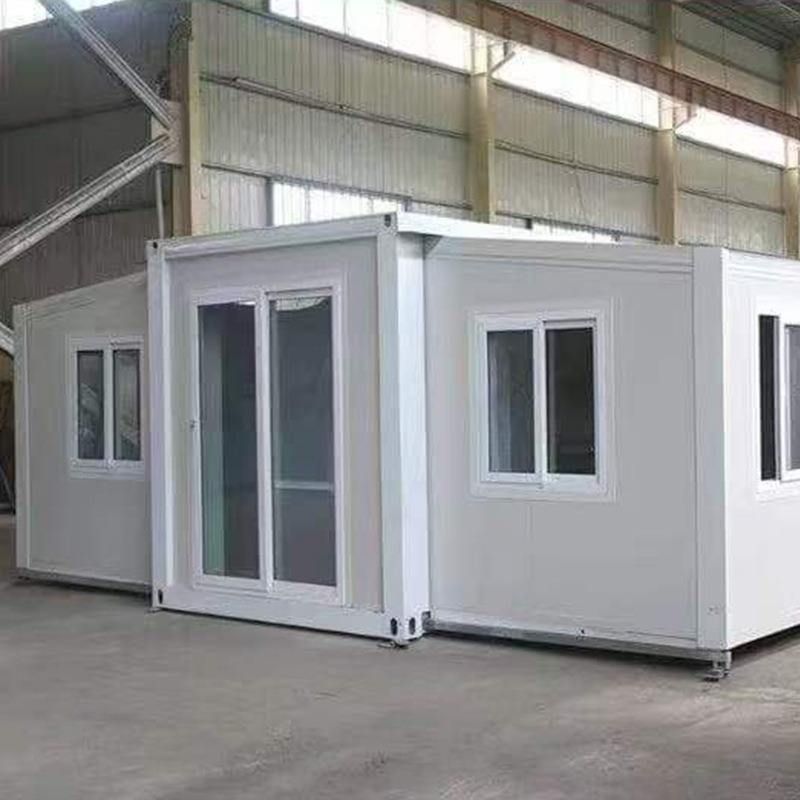
In terms of materials and structure, mobile public toilets often use polymer materials such as fiberglass and polyethylene, which are lightweight, corrosion-resistant, and waterproof and impermeable. They can be decomposed and recycled at the end of their service life, avoiding the problem of traditional construction waste. Their structural forms are diverse. Monolithic structures are convenient for rapid deployment in remote rural tourist spots, while composite structures can accommodate more than 10 toilet stalls, flexibly responding to peak visitor flows during large events. The internal layout can also be customized according to needs, such as designing compact single-user models in limited spaces and multi-user models with special functional areas (such as baby care rooms) for large event venues.
Regarding environmental protection technology, some advanced models are equipped with biodegradation technology, enabling waterless or minimal water flushing, saving more than 90% of water per use. For example, the mobile toilets in Zhangjiajie National Forest Park convert excrement into organic fertilizer through an ecological treatment system, providing natural nutrients for the park's plants. The composite microbial community technology piloted in Jiuzhaigou decomposes excrement into water and carbon dioxide within 24 hours, achieving a 90% water-saving rate and reducing 800 tons of sewage discharge annually.
In terms of humanized design, automatic sensor flushing systems, barrier-free facilities, and air purification devices are all available. Some high-end models are also equipped with solar power supply systems and intelligent guide screens. The intelligent mobile toilets in Hangzhou West Lake Scenic Area can even monitor toilet stall usage and environmental hygiene indicators in real-time through sensors, enhancing the visitor experience.
Regarding ecological technology and adaptability, the exterior design of mobile toilets in natural scenic areas emphasizes integration with the scenic environment, such as the combination of wood-grain aluminum alloy and three-dimensional green plant walls. The intelligent management system monitors usage data in real-time through IoT sensors, improving operational efficiency. The detachable chassis designed for special terrains enhances the toilet's adaptability, meeting deployment needs under different terrain conditions.



