
Guangdong Mobile Toilet Upgrade and Renovation
The upgrade and renovation of mobile toilets in Guangdong are reflected in six major aspects: modular design, waterproof and moisture-proof technology, intelligent environmental protection technology, durable and corrosion-resistant materials, humanized design, and digital transformation.
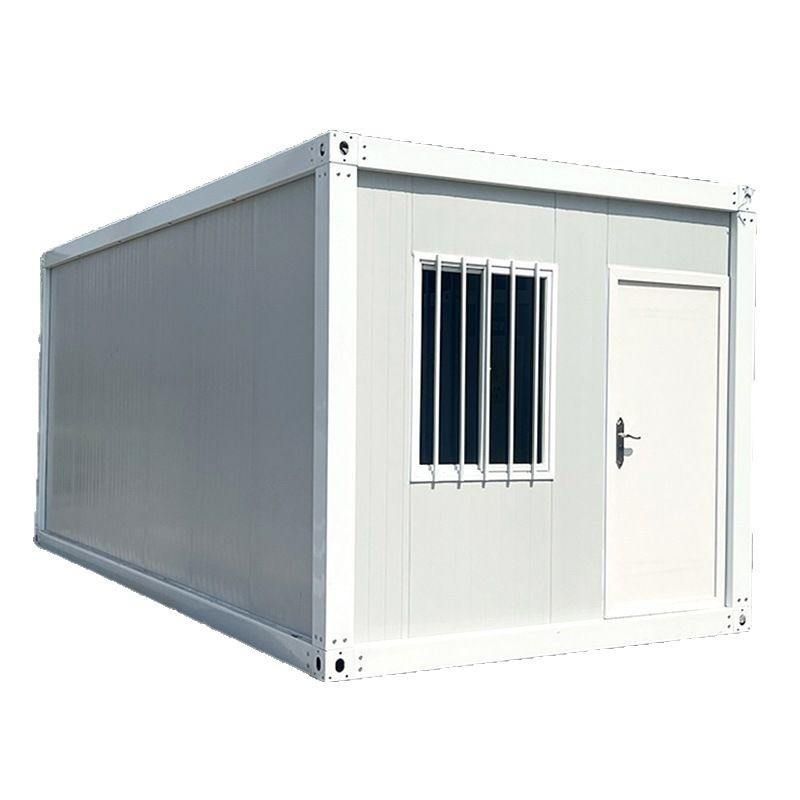
Modular design is one of the core features of the upgrade. By prefabricating functional modules such as toilet areas, handwashing areas, and management areas, the on-site assembly period can be shortened to 1-2 days, significantly improving emergency response efficiency. For example, in large-scale exhibitions or construction site scenarios, modules can be quickly disassembled and reassembled to meet the temporary needs of different venues, offering far greater flexibility than traditional fixed toilets.
Waterproof and moisture-proof technology has been optimized to address Guangdong's humid and rainy climate. The application of integrated SMC materials results in seamless and smooth inner walls, with sealed joints effectively preventing leakage. The floor uses anti-slip tiles, and the drainage system is designed with a dual structure of 'one inlet and two outlets' to avoid water accumulation. This technology ensures the long-term stability of the toilets, making them particularly suitable for outdoor environments.
The introduction of intelligent environmental protection technology enhances user experience and resource utilization efficiency. Devices such as automatic flushing systems and sensor-activated handwashing stations reduce the risk of bacterial transmission through contact. Biodegradation technology uses microorganisms to decompose waste, achieving the environmental goal of waterless flushing toilets. Solar power systems provide clean energy for lighting and ventilation, reducing operational costs.
Durable and corrosion-resistant materials are another focus of the upgrade. Stainless steel frames paired with fiberglass-reinforced plastic shells, with surfaces treated for UV resistance, can withstand fading or rusting caused by long-term outdoor exposure. Internal facilities such as ceramic toilets and stainless steel handwashing basins are wear-resistant and easy to clean, extending service life while controlling promotion costs.
Humanized design has been gradually improved, with a significant increase in the provision of barrier-free facilities and母婴室 (nursing rooms). By 2026, the coverage rate of such facilities in scenic spots and large-scale events has increased from 20% to over 50%, reflecting attention to the needs of special groups and promoting inclusive development of public services.
Digital transformation optimizes service efficiency through intelligent dispatch systems. After more than 60% of service providers introduced this system, response times were shortened to within 4 hours, enabling dynamic resource allocation and rapid maintenance, and improving overall management levels.
The upgrade and renovation of mobile toilets in Guangdong, through technological integration and demand-oriented design, balance functionality, environmental protection, and user experience, providing a replicable solution for the modernization of public facilities.



