
Guangdong Housing Container Design
Guangdong housing container design takes modularization and standardization as its core, combining factory prefabrication with on-site rapid assembly to achieve efficient, environmentally friendly, and personalized building solutions.
1. Modular Design Concept
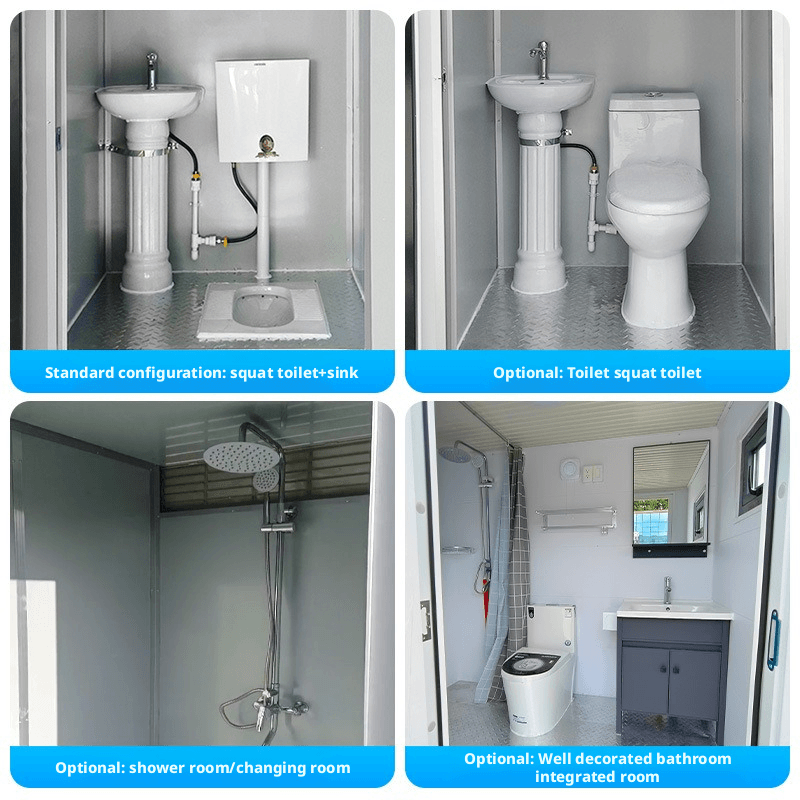
Guangdong housing container design adopts a modular construction approach, breaking down complete houses into standardized modules (such as bottom, top, and side components). All processes, including the main structure, water and electricity pipelines, and interior decoration (including waterproofing, bathrooms, and cabinets), are completed in the factory. This design model breaks through the traditional building construction logic of "brick by brick" and achieves multi-process parallel operations through assembly-line production, significantly shortening the construction cycle. For example, a smart factory in Guangdong can produce up to 50 modules per day, with a manufacturing precision stable at 1-2 millimeters, far exceeding the efficiency of similar factories in North America.
2. Structural and Material Innovation
Container houses use high-strength galvanized aluminum-zinc steel plates as their core material, combined with thermal insulation layers and energy-efficient windows and doors, balancing structural strength and environmental performance. Some products use a combination of galvanized frames and color-steel sandwich panels, featuring high-temperature resistance (≤50℃), cold resistance (≤-50℃), wind resistance (Level 9), and earthquake resistance (Level 8), adapting to different climatic and geological conditions. For example, Guangzhou Jinge's duplex container house is formed by splicing three 40-foot containers, creating an 80-square-meter living space that can be equipped with sofas, double beds, air conditioners, and other facilities to meet residential and office needs.
3. Personalized Customization and Scenario Adaptation
Guangdong housing container design supports diverse scenario applications, covering residential, commercial, cultural tourism, and municipal sectors. For example:
- Residential scenarios: Provide solutions for dormitories, homestays, and temporary housing, with flexible interior layouts;
- Commercial scenarios: Design mobile shops, pop-up stores, and kiosks, supporting retail, catering, and exhibition functions;
- Public service scenarios: Develop medical rapid-assembly rooms, hazardous waste temporary storage rooms, and mobile stations to meet emergency and environmental protection needs.
4. Technology Integration and Intelligent Production
Guangdong enterprises achieve fully automated production of container houses by introducing intelligent equipment such as welding robots and AGV (Automated Guided Vehicle) systems. For example, a 400-meter production line in a smart factory can simultaneously produce multiple components, which are then assembled into complete containers at the end. Additionally, some products integrate renewable energy systems such as solar and wind power, further reducing energy consumption and meeting green building standards.



