
Graffiti Works on Container Houses
Graffiti works on container houses are a typical manifestation of the diverse development of art, endowing industrial containers with new vitality through color and creativity.
Artistic Styles and Expressiveness
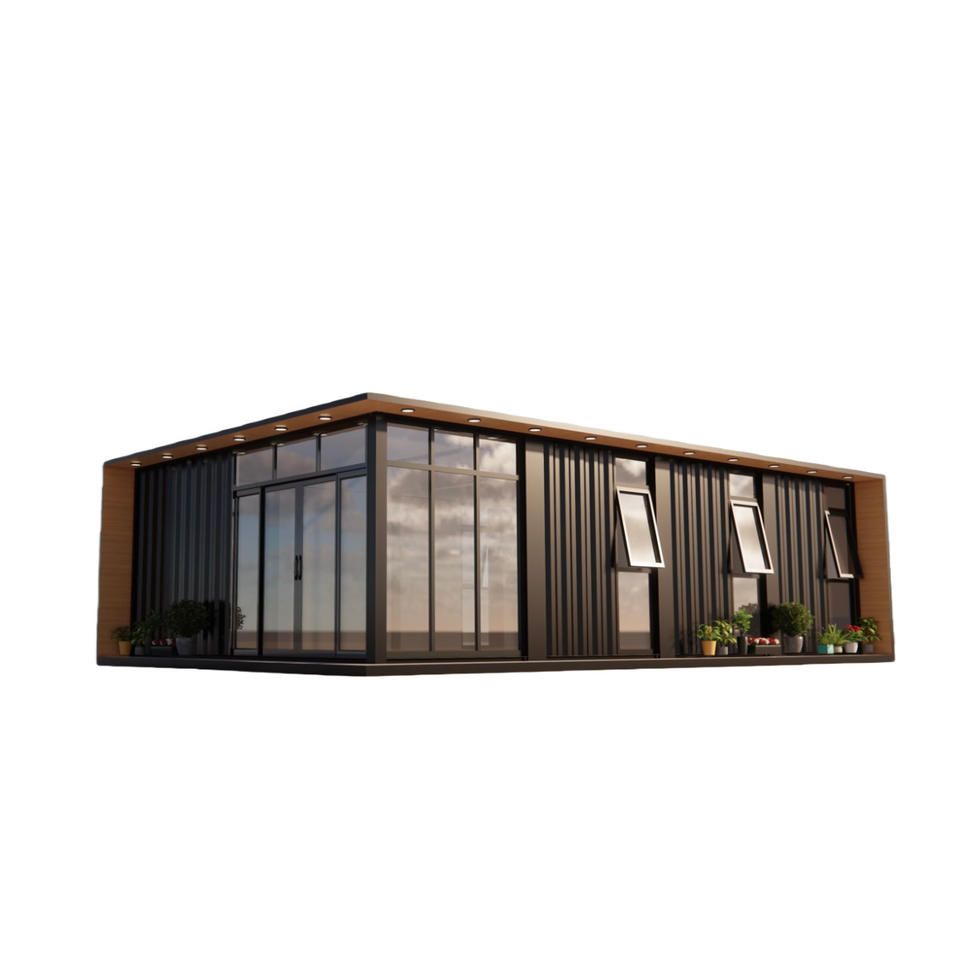
Graffiti works on container houses often integrate multiple artistic styles. For example, in the Dreamy Manor of Taishu in Jurong, Zhenjiang, the colorful paintings on the vacation cottages are inspired by the style of the pop artist Romero-Britto. Elements such as farm animals are presented with high-saturation colors and geometric patterns, turning the originally old iron-sheet houses into visual focal points in the fields. The cold and hard texture of the metal exterior contrasts sharply with the lively colors of the graffiti, while the grid texture on the surface of the container further enhances the three-dimensionality of the image, creating a three-dimensional visual effect from a two-dimensional pattern. This art form breaks through the limitations of traditional painting media, transforming industrial buildings into public art spaces and embodying the combination of art and practical functions.
Material Characteristics and Construction Points
The unique effect of graffiti on containers benefits from their material characteristics. The metal surface has a high color reproduction rate, accurately presenting the designer's color scheme. At the same time, weather-resistant pigments are a key material choice, requiring properties such as UV resistance, rust prevention, and corrosion resistance to withstand the erosion of temperature differences and rain in outdoor environments and avoid peeling or fading of the coating. The construction process must strictly follow professional steps:
- Material Preparation: Select special metal paints and weather-resistant pigments to ensure color stability.
- Outline Drawing: Sketch the outline on the metal surface according to the design draft, considering the impact of the grid texture on the lines.
- Color Application and Details: Apply colors in layers, first covering the large background color, then adding details with a spray gun or brush, utilizing the reflective properties of the metal to enhance the sense of hierarchy.
- Protective Treatment: Finally, apply a transparent protective paint to form a scratch-resistant and stain-resistant barrier layer, extending the lifespan of the work.
Social Value and Cultural Significance
Graffiti containers not only beautify the environment but also become new carriers of urban culture. They often appear in creative parks, rural tourism areas, or temporary exhibitions, promoting art popularization with their advantages of low cost and high flexibility. For example, in the Zhenjiang case, the graffiti cottages combined with the farm theme not only enhance the regional attractiveness but also strengthen the public's identification with rural culture through artistic interaction. This form blurs the boundaries between art and life, allowing industrial heritage or temporary buildings to gain new life through creative transformation, reflecting the artistic practice under the concept of sustainable development.



