
Glass Wool Prefab House Construction
Glass wool is an ideal thermal insulation material for prefab house construction, making it a core energy-saving choice for wall and roof systems through its material properties, construction adaptability, and long-term benefits.
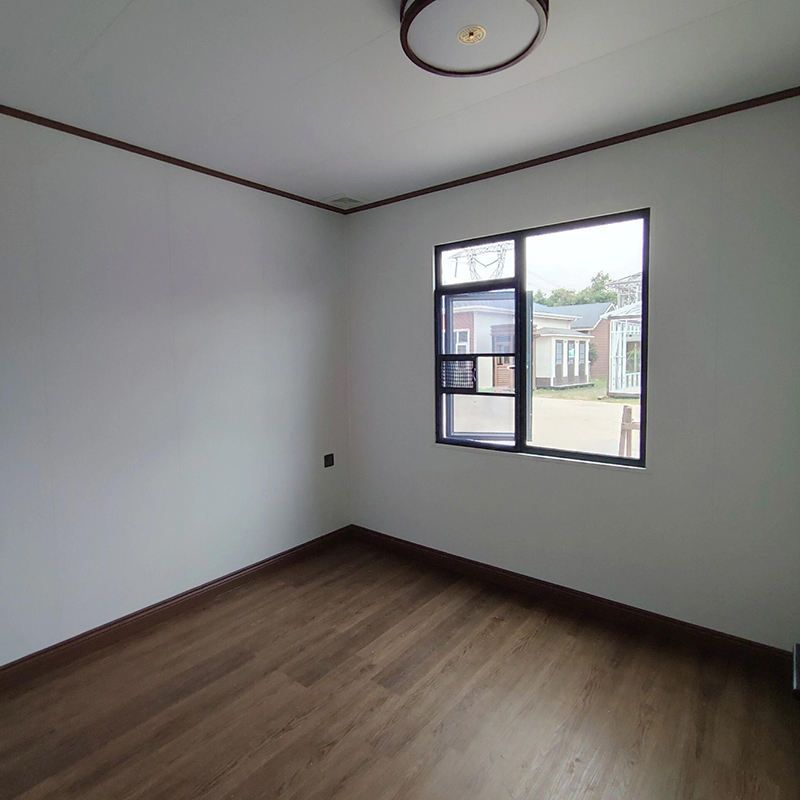
Material Properties and Core Advantages
Glass wool is made from natural ores, which are melted and spun into a three-dimensional cross-linked fiber structure through centrifugal force. The numerous tiny air pockets inside effectively block heat conduction and convection, with a thermal conductivity as low as 0.030-0.044 W/(m·K), significantly outperforming traditional materials in thermal insulation. It has an A-grade fire resistance rating, is rot-resistant, mold-resistant, and corrosion-resistant, ensuring stable performance over long-term use and meeting the full lifecycle needs of prefab houses.
Typical Application Scenarios
- Wall Cavity Insulation: In prefab houses like light steel villas, glass wool is the preferred choice for wall insulation due to its low density and light weight. For example, 100mm-thick glass wool has a thermal conductivity of approximately 0.034-0.036 W/(m·K), offering better insulation than rock wool of the same thickness. It is also easy to cut, facilitating rapid integration with factory-prefabricated wall components.
- Roof Insulation: Glass wool boards or blankets are widely used for roof insulation in commercial buildings, industrial plants, and residential houses, significantly reducing air conditioning loads through installation. After installation on the roof of a shopping center, the summer peak load dropped by 25%, while improving indoor temperature stability and reducing energy fluctuations.
Construction Key Points and Adaptability
- Moisture Barrier: A vapor barrier (e.g., PE film) must be installed on the warm side (indoor side in winter) of the glass wool to prevent condensation of water vapor, which could degrade thermal performance.
- Thickness Selection: Based on local energy efficiency standards, a thickness of 80-150mm is generally recommended, with thicker layers needed in colder regions for enhanced insulation.
- Form Adaptability: Glass wool can be prefabricated into boards or rolls, enabling rapid integration during factory prefabrication, reducing on-site waste, and improving construction efficiency.
Comparison with Other Materials
Compared to rock wool, glass wool offers superior thermal insulation and construction convenience, making it particularly suitable for prefab houses with limited wall cavity space. However, rock wool excels in fire resistance (withstanding temperatures above 600°C) and sound insulation, so the choice depends on specific requirements.
Long-Term Benefits
The durability and stability of glass wool ensure continuous energy savings for prefab houses over decades of use, with initial energy-saving investments paying off through long-term operational savings, aligning with green building and sustainable development goals.



