
Installation of Single Mobile Toilet in Gansu
The installation of a single mobile toilet in Gansu requires comprehensive consideration of multiple factors, including materials, structure, sewage disposal, transportation and installation, as well as climate adaptability.
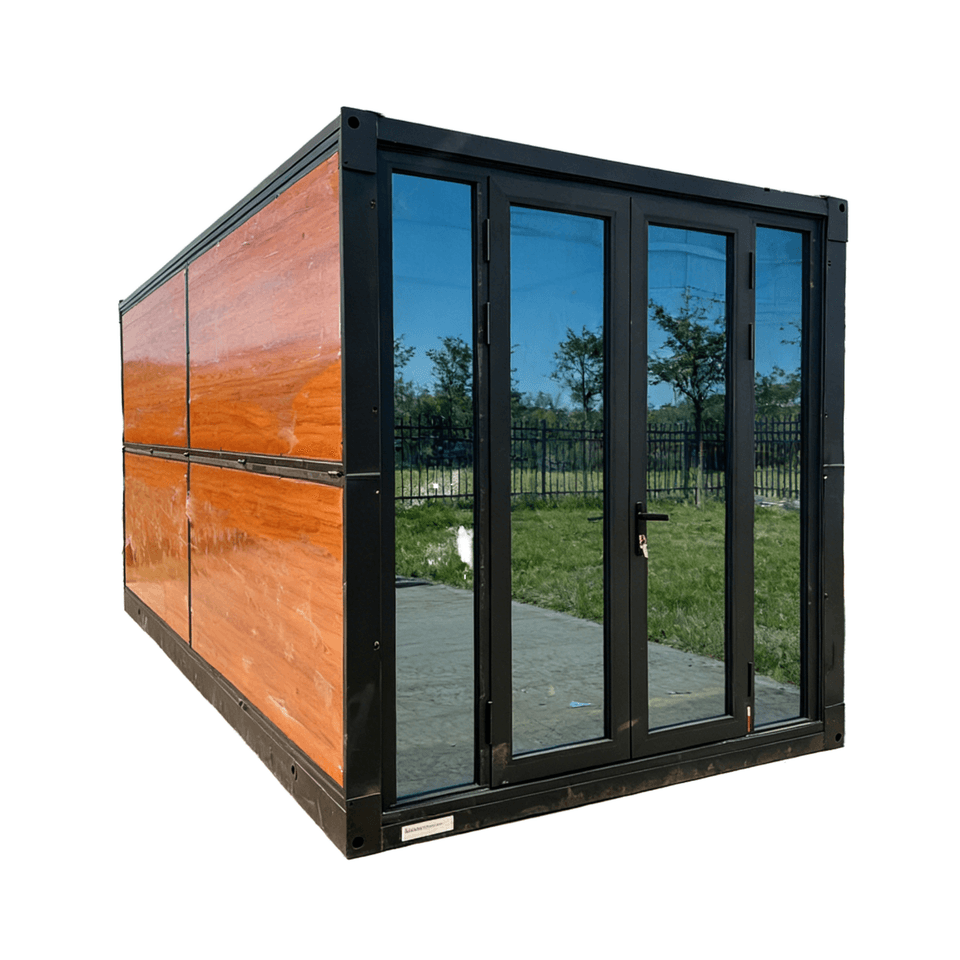
Material Selection: Given the dry and windy climate in Gansu, the materials for mobile toilets need to have good corrosion resistance. High-strength fiberglass is a common choice, as it is corrosion-resistant, can withstand low temperatures, and has a service life of over 10 years, with some having internal insulation layers. The frame of color-steel mobile toilets is made of aluminum-zinc-plated steel sheets, with a zinc layer mass of no less than 150 grams per square meter. The corrosion-resistant lifespan is 2 to 3 times that of ordinary materials, making it more suitable for the local environment.
Structural Design: Modular design is adopted, allowing for quick assembly and disassembly. The internal layout is flexible and can be equipped with squatting positions, toilets, and barrier-free facilities. The structural connection of color-steel mobile toilets uses a combination of modular buckles and high-strength bolts. All connection nodes undergo finite element simulation analysis to ensure that the displacement does not exceed 1/300 of the height under a wind force of level 7. Installation does not require on-site welding. Prefabricated components adopt a unified interface standard and achieve millimeter-level precision docking through dedicated positioning fixtures, reducing wet work procedures by about 80% and controlling the installation cycle within 6 working days.
Sewage Disposal System: Due to the water shortage in Gansu, mobile toilets mostly adopt water circulation systems, where the treated water is reused to save water resources. High-end products are equipped with automatic flushing and deodorization systems. In areas without sewer pipes, environmentally friendly fecal tanks are used and cleaned regularly. The treatment system of color-steel mobile toilets is equipped with vacuum negative pressure and biofilm reaction units. The water consumption is only 10% of that of traditional water-flushing toilets. The biofilm reaction tank has a high microbial load. After three-stage treatment of excrement, the solid humus can be used as a soil conditioner, and the filtered water meets the standards for farmland irrigation.
Installation and Transportation: The terrain in Gansu is complex, and special vehicles are required for transportation in mountainous scenic areas. In urban areas, attention should be paid to traffic and pedestrian safety during installation. Manufacturers mostly provide overall transportation and installation services, and the installation process generally takes 1 to 2 hours. The transportation of color-steel mobile toilets is optimized through standardized container sizes. The internal equipment of the modules is integrated and debugged before leaving the factory. After arriving at the site, they can be put into operation once connected to water and electricity. The conversion time from equipment placement to operation can be shortened to within 4 hours.
Climate Adaptability Design: Color-steel mobile toilets adopt a composite insulation wall structure and are equipped with adjustable ventilation ridges on the roof. In summer, the indoor temperature is reduced through the thermal pressure ventilation effect. In winter, after closing the air ducts, the temperature difference between the indoor and outdoor can reach 15 degrees Celsius, adapting to the large temperature difference between the four seasons in Gansu.



