
Gansu Prefabricated Housing
Prefabricated housing in Gansu, primarily consisting of prefabricated integrated housing, represents a modular building system tailored to the climate and construction needs of northwest China.
Core Definition and Production Model
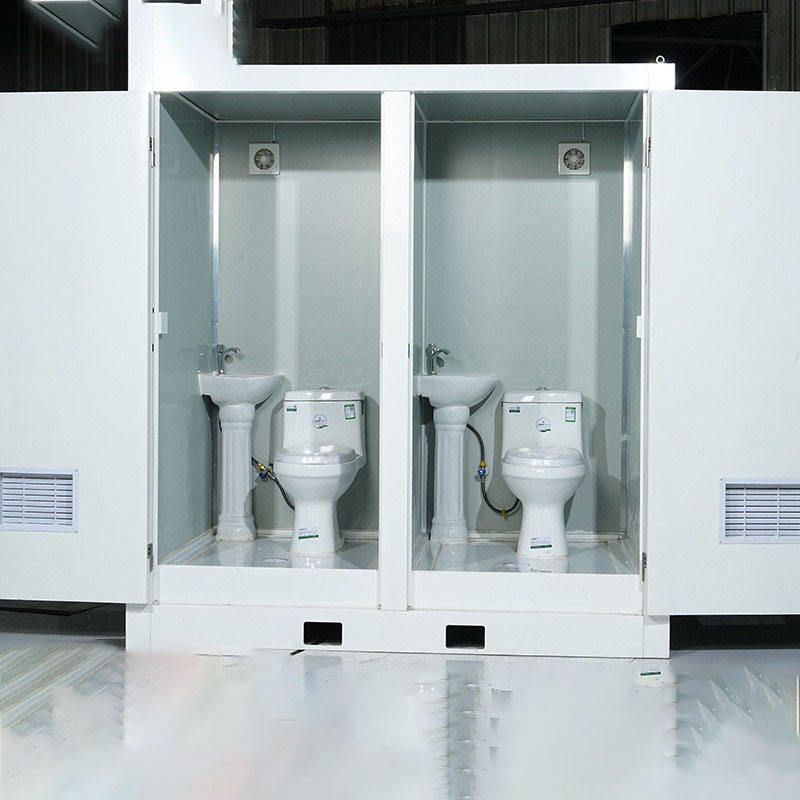
Prefabricated integrated housing in Gansu adopts a factory-standardized production and on-site rapid assembly model, falling under the category of modular building systems. Its core components, such as walls, floors, and roofs, are prefabricated in factories and integrated with plumbing, electrical systems, and interior fittings, enabling “plug-and-play” functionality. Production relies on automated production lines and quality inspection systems. For example, the Gansu Construction Investment Integrated Building Industrial Park in Lanzhou New Area has an annual production capacity of tens of thousands of square meters, covering residential, public, and specialized-use modules.
Regional Adaptability Design
Gansu is located at the intersection of arid northwest and plateau climates, characterized by harsh conditions (extreme cold, strong winds and sandstorms, and large diurnal temperature variations). These factors necessitate building designs with superior insulation, earthquake resistance, and rapid construction capabilities. Prefabricated integrated housing addresses these challenges through the following design features:
- Structural Materials: Lightweight steel structures or cold-formed thin-walled steel frames are used, paired with high-performance thermal insulation materials to enhance thermal performance and structural stability while meeting seismic requirements.
- Environmental Optimization: Technical teams optimize material durability and structural design for high-altitude hypoxic conditions and arid, sandy environments, such as improving wall sealing to resist sand erosion.
- Flexible Scalability: Modular design supports repeated disassembly, reassembly, and flexible expansion, accommodating Gansu’s vast land area and variable land conditions while meeting seasonal demands (e.g., temporary facilities during peak tourist seasons).
Technical Advantages and Ecological Benefits
- Construction Efficiency: Short construction cycles reduce on-site wet work, minimizing environmental disruption in ecologically fragile areas and aligning with Gansu’s limited construction windows.
- Green Standards: Integration of BIM design, smart manufacturing, and green building materials ensures compliance with green building evaluation standards, promoting low-carbon construction.
- Industrial Upgrading: Drives localization of supply chains, fostering regional industrial transformation toward industrialization and sustainability in the construction sector.
Application Scenarios and Future Value
Prefabricated integrated housing is widely used in Gansu for rural revitalization, emergency shelter, tourism infrastructure, and industrial storage. Looking ahead, its efficiency, environmental friendliness, and adaptability will continue to play a pivotal role in urban-rural integration, ecological resettlement, and low-carbon building promotion, serving as a critical enabler for Gansu’s industrialized and sustainable construction development.



