
Fujian Street Mobile Toilet Design
The design of mobile toilets on Fujian streets focuses on portability, disassembly, and functional adaptability, integrating steel structures with customized shapes to meet the needs of various scenarios.
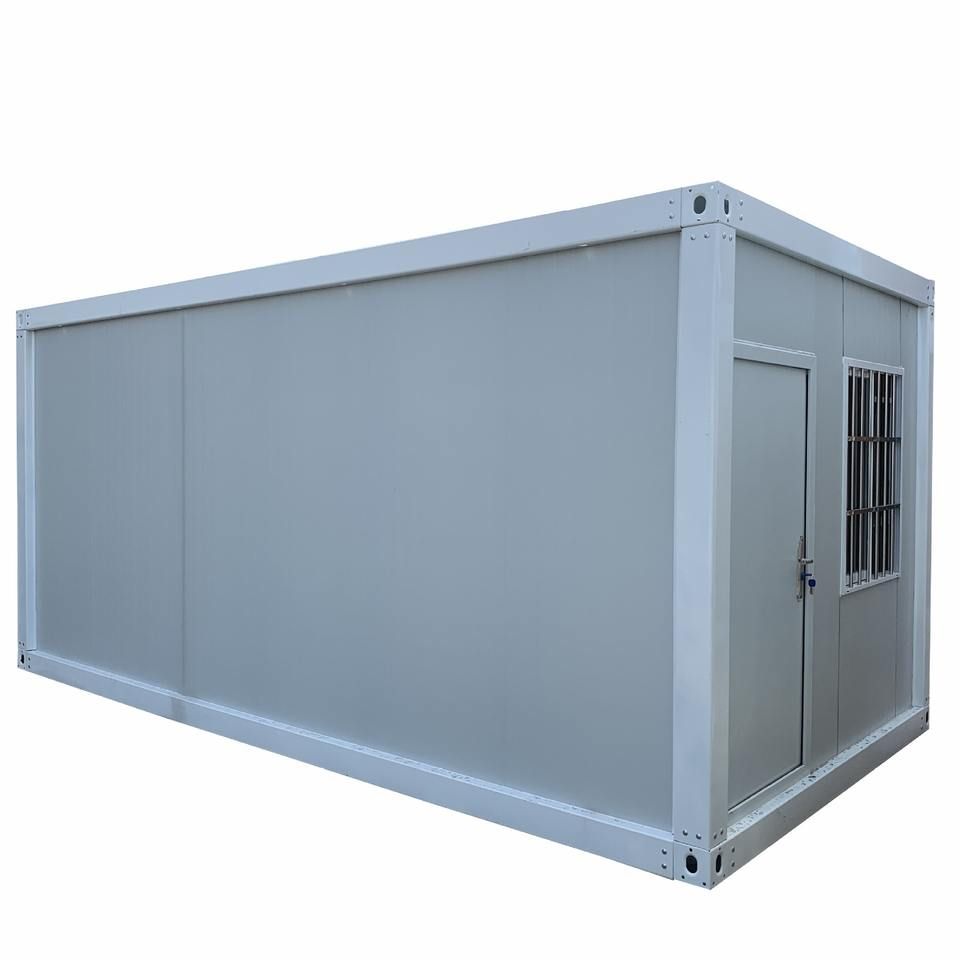
I. Main Structure and Materials
Mobile toilets on Fujian streets adopt a modular design, with the main structure comprising wall frames, roofs, floors, and sewage systems, some of which are equipped with ventilation and lighting facilities. The primary material is steel, connected through welding processes to ensure structural stability and facilitate overall transportation or disassembly and reassembly. The shapes can be customized, adjusting the appearance according to the street environment (such as historical districts or modern business areas) to harmonize with the surrounding architectural styles and enhance visual integration.
II. Functional Types and Suitable Scenarios
- Flush Toilets
These rely on water tanks for flushing, with sewage temporarily stored in collection containers or connected to municipal sewage networks. Regular water replenishment and sewage cleaning are required, making them suitable for areas close to water sources and sewage networks, such as parks and commercial streets. - Waterless Toilets
These employ biodegradation (e.g., microbial decomposition) or chemical treatment (e.g., adding agents) technologies to convert waste into harmless substances without water. They are suitable for water-scarce areas or temporary event venues, such as mountain trails and exhibition sites. - Recirculating Flush Toilets
Equipped with water treatment systems, these achieve water reuse through filtration and disinfection processes. Although the initial cost is higher, the long-term water-saving advantages are significant, making them suitable for high-frequency usage scenarios, such as transportation hubs and tourist attractions.
III. Key Design Considerations
- Site Selection and Layout
Priority is given to densely populated but not overly crowded areas, close to main roads or public activity centers, facilitating quick location by users. Simultaneously, access to water sources and sewage networks must be considered to reduce later operational costs. - Comfort Optimization
Insulation panels are used to isolate external temperatures, alleviating summer heat and winter cold issues; some models are equipped with air conditioners or heating devices to further enhance the user experience. - Hygiene Management Mechanisms
Establish regular cleaning, equipment inspection, consumable replenishment (e.g., toilet paper, hand soap), and waste disposal procedures to ensure a clean and odor-free internal environment and reduce the risk of disease transmission.
IV. Future Development Trends
In terms of materials, lightweight and corrosion-resistant new composite materials will gradually be adopted to reduce transportation costs and extend service life. Functionally, solar lighting and automated monitoring systems (e.g., real-time monitoring of toilet occupancy) will be added to achieve energy efficiency and intelligent management. Additionally, barrier-free facilities (e.g., ramps, handrails) will be improved to meet the needs of special groups such as the disabled, reflecting a human-centered design philosophy.



