
Fujian Internet-Famous Container House
The Fujian internet-famous container house is a distinctive building that integrates Minnan culture with modern design, combining environmental protection and cultural tourism value, becoming a new highlight in urban renewal and rural tourism.
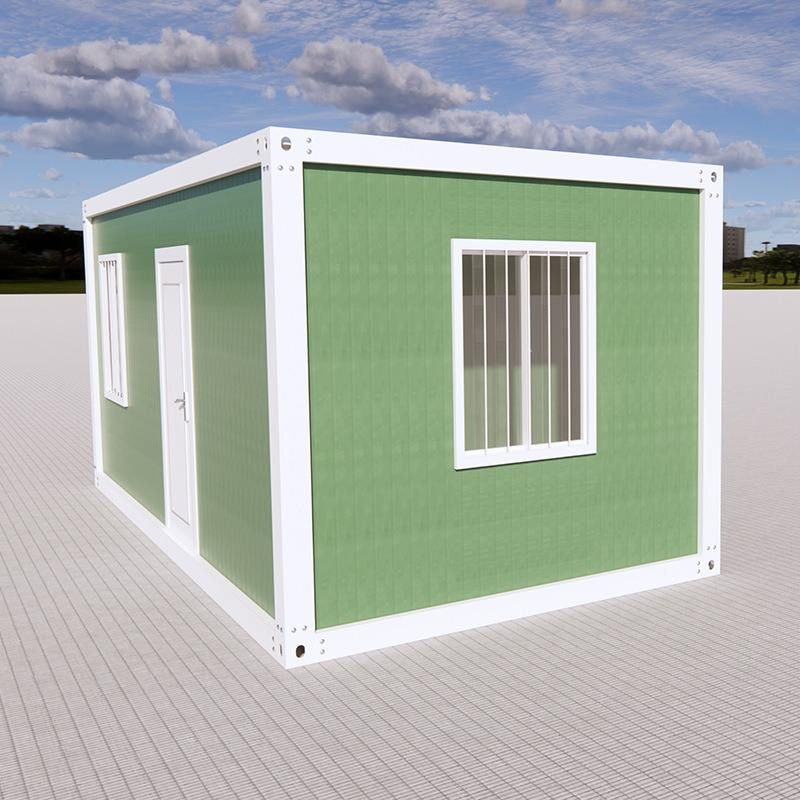
Outstanding Design Advantages with Distinct Regional Characteristics
Container manufacturers in Fujian deeply integrate Minnan cultural elements with modern minimalist styles in their designs, innovating visual effects through color combinations and spatial layouts. For example, traditional Minnan red brick patterns are incorporated into the exterior walls of containers, or swallow-tail ridge shapes are designed on the roofs, preserving an industrial texture while endowing the buildings with regional cultural connotations. This design concept of 'combining the old with the new' makes container houses conform to modern aesthetics while carrying local cultural memories.
Flexible Modular Customization to Meet Diverse Scenario Needs
Manufacturers support modular customization, allowing the creation of different functional spaces according to customer needs. For instance, homestay projects use loft-structured container拼接 (spliced) with floor-to-ceiling windows and空中花园 (hanging gardens), saving land resources while enhancing the living experience. Commercial spaces are transformed into cafes, art galleries, or pop-up shops through cutting and stacking methods. Data shows that a container homestay project experienced a 30% increase in customer traffic in its first month of operation compared to traditional homestays, confirming its market appeal.
Significant Green Environmental Protection and Sustainability
Container buildings are constructed using second-hand containers, reducing carbon emissions, and optimizing living comfort through technologies such as thermal insulation materials and energy-efficient doors and windows. Their energy consumption is 20%-30% lower than that of traditional buildings, aligning with low-carbon development trends. Additionally, modular design facilitates disassembly and reuse, further reducing resource consumption and aligning with sustainable development concepts.
Cultural Tourism Integration Spawns New Business Formats and Boosts Local Economy
In cultural tourism projects, container houses are deeply integrated with local tourism resources. For example, Xiamen scenic spots have created an 'ocean-themed market,' while Quanzhou ancient towns use containers to display intangible cultural heritage, forming an 'internet-famous + cultural' model that attracts tourists to check in and spread local culture. In rural tourism, container cultural and creative parks drive the development of surrounding catering, handicraft experiences, and other industries through hosting markets and exhibitions, creating additional income for villagers.
Diverse Prices and Ample Supply
Prices for container houses in Fujian vary depending on type and configuration. For example, a工地木纹住人集装箱房 (construction site wood-grain residential container house) costs 4,500 yuan, a fully assembled container house costs 6,200 yuan, and a mobile temporary office dormitory quick-assembly container costs 3,600 yuan. This diverse pricing system meets different budget needs, providing flexible options for project implementation.



