
Foreign Perspectives on Cement Prefabricated Houses
Chinese cement prefabricated houses (expandable container houses) have garnered significant attention on foreign websites, primarily due to their low prices, short construction periods, high cost-effectiveness, and the emergence of actual purchase cases with positive feedback.
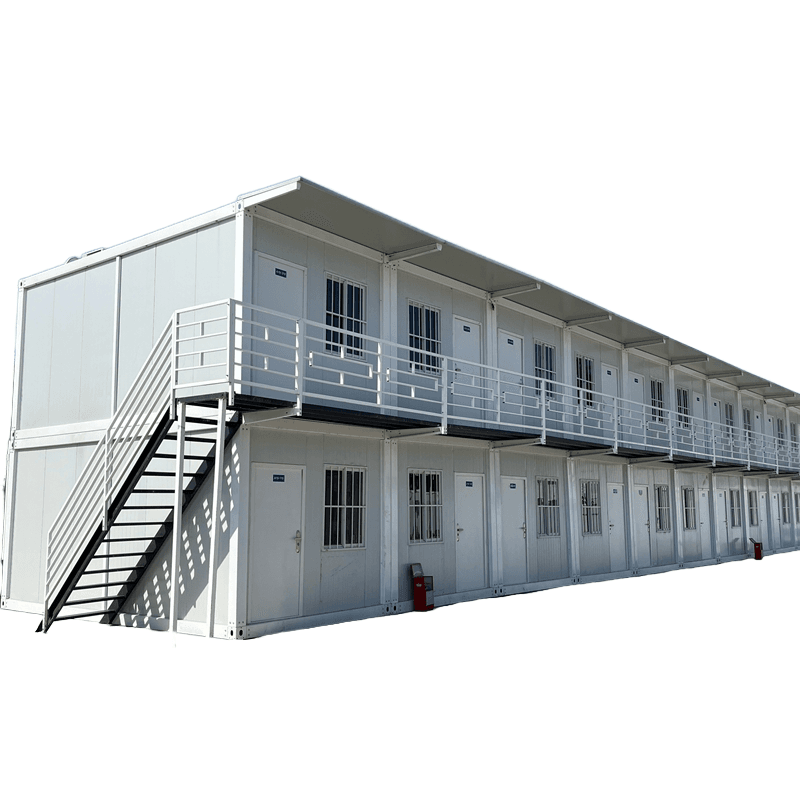
1. Actual Purchase Cases and User Feedback
The case of an American blogger purchasing a Chinese prefabricated house through Alibaba.com is representative. For instance, an American couple purchased a 70-square-meter, two-bedroom, one-living-room fully furnished house. The house body cost $15,800, and the total cost, including shipping and customs duties, was approximately $28,689 (equivalent to less than 200,000 RMB). Their video showcases the entire process from unboxing to assembly, including steps such as extending the side walls, flattening the floor, and erecting the partition walls, ultimately forming a complete house with a fully equipped kitchen and bathroom, ready for occupancy with water and electricity connected. The video has garnered over 3 million views, with enthusiastic responses in the comment section. Moreover, the blogger remains satisfied after nine months of use, directly addressing doubts about the practicality of prefabricated houses.
2. Core Advantages: Dual Compression of Price and Construction Period
The core competitiveness of Chinese prefabricated houses lies in their low cost and short construction period. Traditional self-built houses in the United States can take several months or even a year to complete, whereas Chinese prefabricated houses, through modular production, compress the construction period to "one month for production, one month for transportation, and one day for assembly," significantly reducing time costs. In terms of price, 200,000 RMB can achieve a fully furnished delivery for a Chinese prefabricated house of the same scale, while the self-built cost in the United States is much higher, highlighting a prominent cost-effectiveness advantage.
3. Growth in Overseas Market Demand and Data Support
The export volume of Chinese prefabricated buildings continues to grow, with a 45% increase in the first quarter of 2026, indicating strong demand in overseas markets. American buyers, as the primary customer group, accept prefabricated houses due to their economic efficiency and practicality. For example, the house in the blogger's case includes a complete living area, and the assembly process is simple, meeting the needs of overseas users for efficient, low-cost housing.
4. Controversies and Responses: Verification of Quality and Practicality
Although some foreign discussions have questioned the durability of prefabricated houses, actual user feedback (such as the blogger's satisfaction after nine months) and the assembly details showcased in the video (such as structural stability and functional completeness) provide evidence for their quality. Additionally, Chinese prefabricated houses adopt standardized production processes, with materials and craftsmanship meeting international standards, further alleviating concerns among overseas buyers.



