
Volver al blog
Artículo
Foldable House and Container House
Admin 15 de septiembre de 2026
Foldable houses and container houses are two different types of modular building forms, each with its unique characteristics and applicable scenarios.
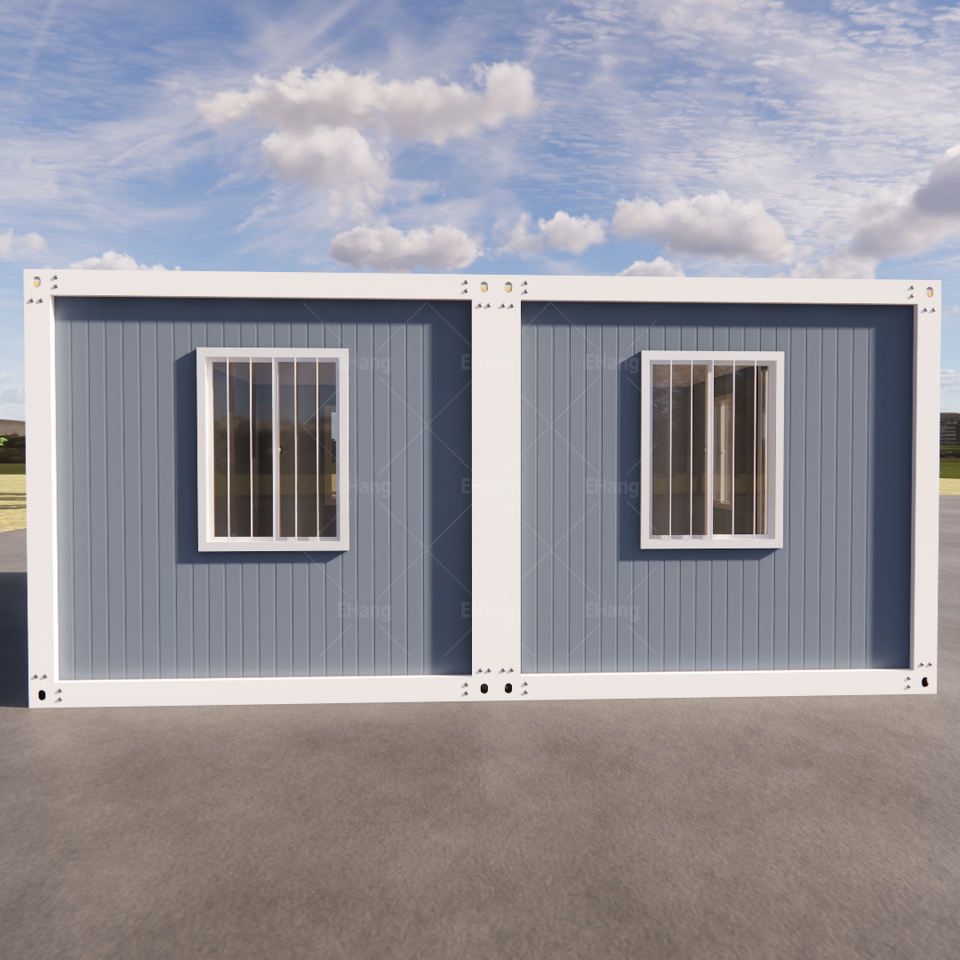
Foldable Houses:
- Structural Design: Foldable houses adopt a folding structure, allowing their volume to be compressed to 1/5 to 1/4 of their expanded state during transportation, significantly reducing transportation costs and storage space requirements. For example, the foldable container from Suzhou Zhongnan can be folded to 1/5 of its expanded volume, enabling a single truck to carry 20 sets of products.
- Installation Efficiency: Foldable houses can be expanded rapidly. The foldable container from Suzhou Zhongnan uses a hydraulic automatic expansion mechanism, allowing a single person to complete expansion and fixation in just 5 minutes, making it suitable for scenarios requiring rapid deployment, such as emergency rescue and temporary commercial pop-up stores.
- Weather Resistance and Structural Strength: Foldable houses typically use high-strength steel and weather-resistant materials, providing multiple protective features such as wind resistance, earthquake resistance, fire resistance, and water resistance, adapting to extreme environments like deserts, cold regions, and high-temperature areas. For example, the foldable packing container from Hebei Xinheng has a super-wide temperature range of -25℃ to 45℃.
Container Houses:
- Structural Design: Container houses use standard containers as carriers, which are transformed into independent office or living units. Common sizes are 20 feet and 40 feet, and they can be used individually or combined. Their sturdy structure makes them suitable for long-term on-site projects.
- Installation Efficiency: The installation time for container houses is relatively longer. The quick-assembly container from Suzhou Zhongnan requires 4 hours for a single unit installation, but it supports factory prefabrication and on-site quick assembly, significantly shortening the overall project cycle. For example, the delivery of 1,000 accommodation modules can be completed within 3 months, reducing the industry average construction period by 40%.
- Customization and Reusability: Container houses can be customized according to needs for internal layout and functional zoning, supporting multiple disassembly and reassembly cycles. The quick-assembly container from Suzhou Zhongnan can be disassembled and reassembled more than 15 times, with the cost per use being only 1/3 of a new product, making it suitable for temporary commercial spaces and engineering camps.
Relacionados



