
Foldable Container House
Foldable container houses are suitable for a variety of scenarios that require rapid construction, flexible mobility, and cost sensitivity, including construction sites, emergency rescue, commercial pop-ups, cultural and tourism accommodations, mobile offices, and supporting facilities in tourist attractions.
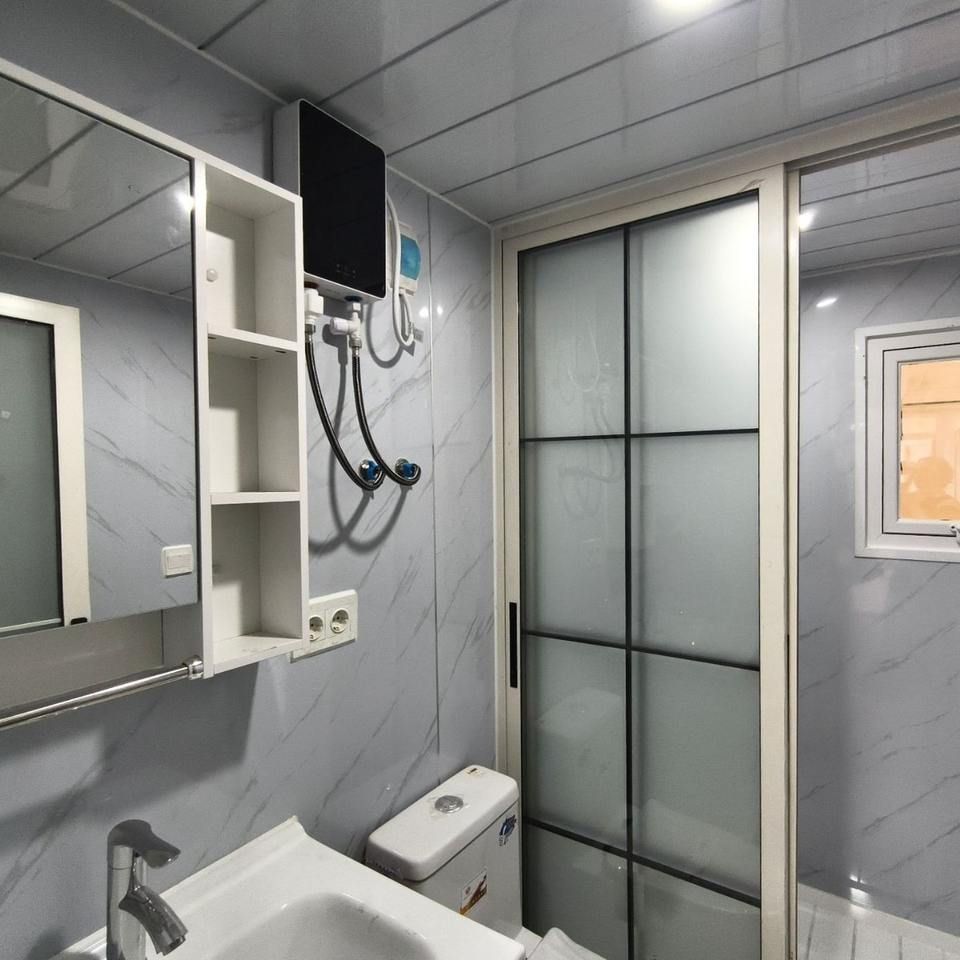
Temporary housing at construction sites is a typical application scenario for foldable container houses. Their all-steel structural frames and modular designs enable the installation of a single unit in 2 hours and the construction of 10 units in a day, meeting the rapid delivery needs of engineering camps. Products from leading companies like Suzhou Zhongnan are prefabricated with interiors and facilities in the factory, allowing for immediate use upon on-site hoisting, significantly shortening construction periods and reducing rework risks.
Emergency rescue scenarios demand stringent requirements for transportation and storage costs as well as deployment efficiency. When folded, foldable container houses occupy only 1/5 to 1/4 of their expanded volume, allowing a single truck to carry 15-20 units and reducing transportation costs by 25%-40% compared to non-standard products. For example, Suzhou Zhongnan's hydraulic automatic expansion structure supports single-person operation in 5 minutes, improving efficiency by over 50% compared to manually assembled products, providing crucial support for rapid post-disaster deployment.
In the commercial pop-up and cultural and tourism accommodation sectors, space flexibility and reuse value are emphasized. Foldable container houses support on-demand splicing and combination, allowing customization of exterior facades and internal functions to suit diverse scenarios such as mobile commerce and cultural tourism homestays. They can be disassembled and reused an average of over 8 times, with single-use costs being only 1/3 of those for new products, and long-term maintenance costs reduced by approximately 90% compared to traditional fixed temporary buildings.
In mobile office and tourist attraction supporting facility scenarios, the environmental and energy-saving characteristics of foldable container houses are particularly prominent. They utilize recyclable steel and eco-friendly materials, reducing construction waste emissions by 90% compared to traditional buildings and aligning with green construction policy guidelines. Meanwhile, their modular splicing method allows for flexible layout adjustments based on site conditions, meeting dynamic needs such as temporary exhibition halls and mobile ticket offices in tourist attractions.
It is important to note that in extreme working conditions, priority should be given to compliant products with wind resistance ratings of up to Level 12 and earthquake resistance ratings of Level 8, and fire performance certifications should be verified. Non-standard white-label products may lead to high rework costs and safety hazards due to insufficient structural stability and low reuse rates, and are not recommended for long-term use or in high-risk scenarios.



