
Floor Mobile Toilet Design Sketch
Currently, we cannot directly provide design sketches of floor mobile toilets, but we can introduce their structure, types, and material characteristics to aid understanding.
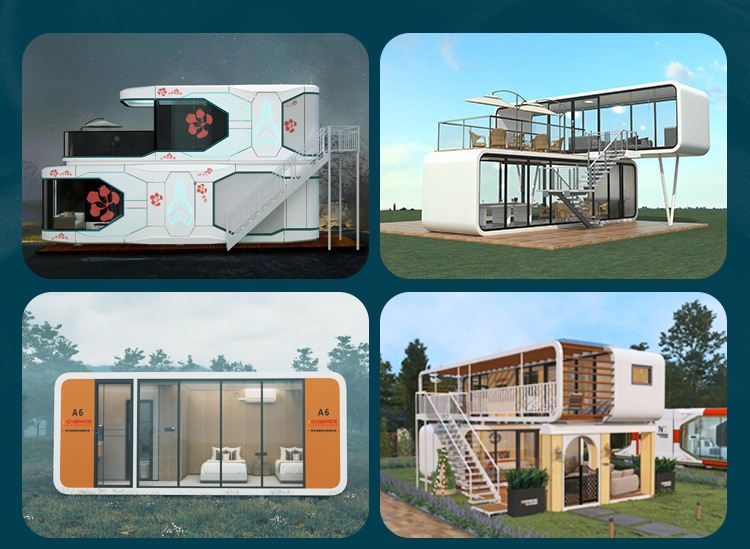
As a sanitary facility for temporary or specific locations, the design of mobile toilets must balance functionality and practicality. From a structural perspective, mobile toilets typically include core components such as fecal sewage storage tanks (or disposal units), flooring, sanitary fixtures, walls, washing equipment, water tanks, roofs, and mobility devices. The combination of these components determines the overall form and user experience of the toilet. For example, the design of the fecal sewage storage tank must consider capacity and sealing to prevent odor leakage; wall materials must balance durability and thermal insulation to ensure a comfortable internal environment.
In terms of structural form, mobile toilets can be divided into single-unit and composite structures. Single-unit mobile toilets are usually smaller in size and suitable for locations with limited space, such as construction sites or temporary event venues; composite structures achieve functional expansion through modular design, such as adding management or storage rooms, and are suitable for large-scale events or long-term use scenarios.
Regarding mobility, lifting and handling-type mobile toilets rely on external equipment (such as cranes) for position adjustment and are suitable for short-term use at fixed locations; powered and towed types achieve autonomous movement through built-in power systems or traction devices, offering higher flexibility and suitable for scenarios requiring frequent relocation.
Sewage treatment methods are another important dimension for classifying mobile toilets. Water-flush and waterless suction-type mobile toilets use water flow or vacuum suction for fecal cleanup and require supporting sewage storage or treatment equipment; recirculating water-flush types achieve water reuse through filtration systems, reducing water consumption; dry-pack types use biodegradable materials to directly collect feces without water, making them suitable for water-scarce or environmentally demanding areas.
In terms of material selection, metal carved panels are often used in high-end mobile toilets due to their corrosion resistance and ease of cleaning; color-coated steel sheets are cost-effective and suitable for temporary facilities; fiberglass-reinforced plastic offers advantages such as lightweight strength and flexible shaping, making it the preferred choice for customized designs. The combination of different materials can achieve a balance between appearance and functionality, meeting diverse needs.



