
Floating Mobile Toilet
Currently, there is no widely recognized or commonly applied "floating mobile toilet". The following provides a detailed explanation from several aspects:
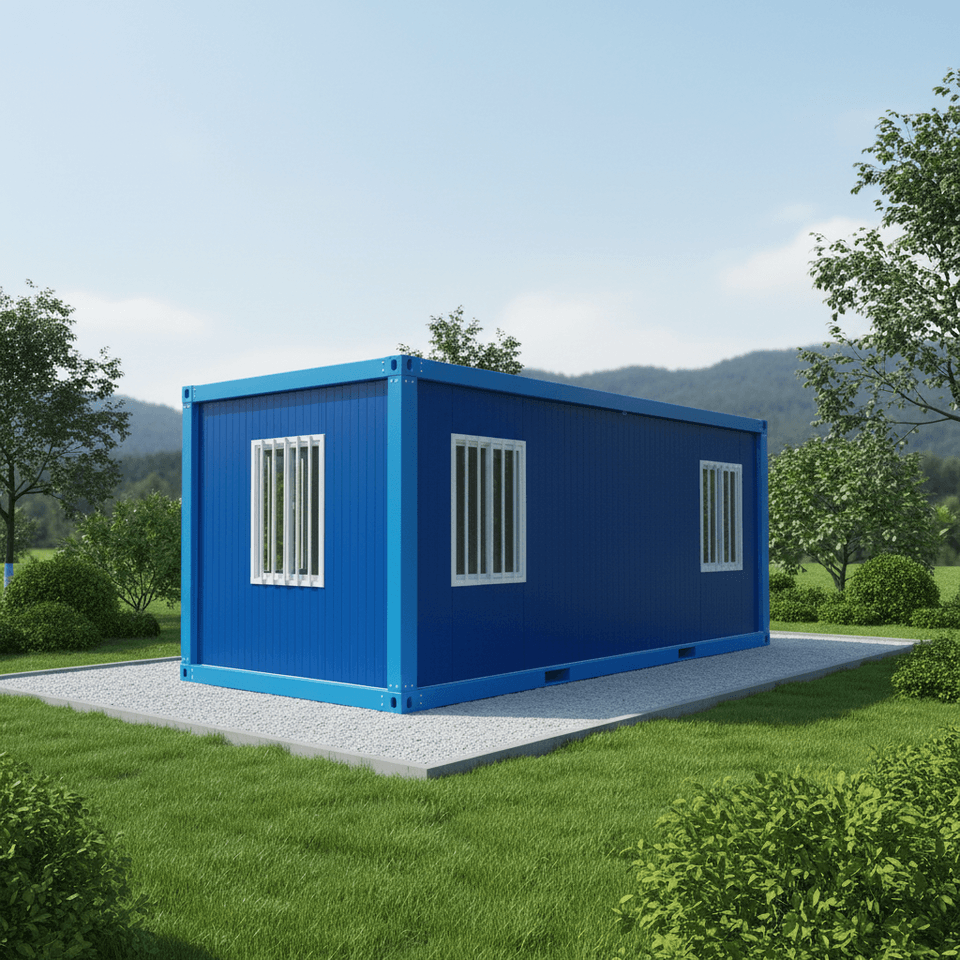
Characteristics and Types of Conventional Mobile Toilets
Conventional mobile toilets are primarily characterized by their mobility. They are typically designed to be easily disassembled, assembled, and transported to meet the needs of various temporary or mobile scenarios, such as large-scale outdoor events, construction sites, and disaster relief sites. Common types of mobile toilets include single-unit mobile toilets, trailer-mounted mobile toilets, and container-based mobile toilets. Single-unit mobile toilets are generally small in size and simple in structure, allowing for manual handling and installation. Trailer-mounted mobile toilets are installed on trailers and moved by vehicle traction. Container-based mobile toilets use containers as carriers, offering larger spaces and greater stability, with the ability to expand functions as needed. These mobile toilets are designed for land-based use, with their bottom structures in contact with the ground and relying on their own support devices for stability.
Differences in Design Requirements between Floating Facilities and Mobile Toilets
Floating facilities, such as boats and floating bridges, need to meet the requirements for floating on water and maintaining stable navigation or anchorage. They typically employ special materials and structural designs to ensure sufficient buoyancy and stability. For example, boat hulls are generally made of lightweight yet sturdy materials and have a reasonable shape to disperse water pressure, while also being equipped with propulsion and navigation systems. In contrast, the main function of mobile toilets is to provide a place for the collection and treatment of excreta, with design emphasis on the layout of sanitary facilities, the storage and treatment of waste, and ease of use. Designing a mobile toilet to be floating would require solving a series of complex issues, such as ensuring stability while floating on water to prevent tipping due to water currents or wind and waves, and handling waste to prevent leakage and contamination of water bodies.
Reasons for the Lack of Practical Application
From a practical application perspective, there has been no large-scale promotion of floating mobile toilets. On the one hand, venues for water activities usually have relatively well-planned sanitary facilities, such as fixed toilets at docks and on cruise ships, to meet the basic needs of personnel. On the other hand, developing floating mobile toilets requires significant investment in research and development and manufacturing costs, and their usage scenarios are relatively limited, resulting in low market demand. This also reduces the motivation for relevant companies to engage in research and development and production.



