
Finished Movable Toilet
A finished movable toilet is a facility that can be moved as a whole and flexibly deployed in fixed or temporary locations to provide public toilet services. Its core features lie in mobility, modularity, and reusability, enabling it to quickly respond to sanitation needs in various scenarios. The following provides an explanation from three aspects: structural composition, classification methods, and functional advantages.
I. Structural Composition
Movable toilets typically consist of six core modules:
- Basic Functional Module: This includes a fecal sewage storage tank (or disposal unit), sanitary fixtures (such as squat toilets/sit toilets), washing equipment (sinks), and a water tank to ensure basic toilet and cleaning needs.
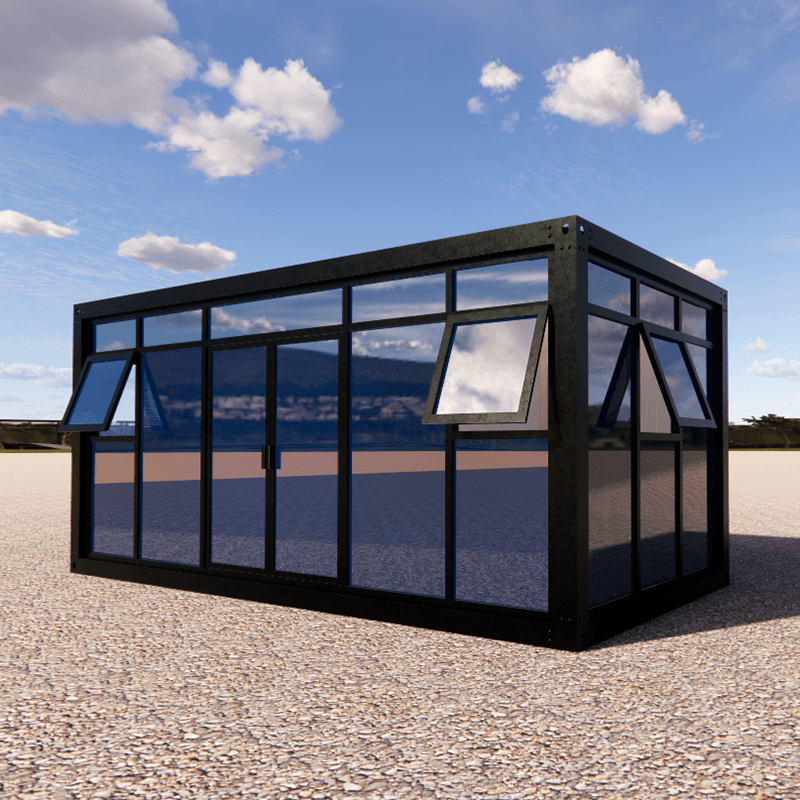
- Structural Support Module: The walls are often made of lightweight materials like metal carved panels or color-coated steel sheets, combined with flooring and a roof to form an enclosed space. Some high-end models feature sliding windows and stone wall lamps on the front wall for ventilation and lighting.
- Mobility Module: Depending on the type, these toilets are equipped with lifting hooks, powered towing systems, or transport wheel sets to enable overall transportation and rapid deployment.
II. Classification Methods
According to design differences, movable toilets can be classified into the following three categories:
- By Structural Form:
- Single-Unit Structure: Designed as an independent unit, suitable for locations with limited space (such as temporary spots in scenic areas).
- Composite Structure: Composed of multiple single units, it can be expanded into a large public toilet (such as at music festivals).
- By Mobility Method:
- Lifting/Handling Type: Relies on lifting equipment or manual handling, suitable for short-term static use.
- Powered/Towing Type: Equipped with an internal engine or connectable to a vehicle for autonomous movement (such as in emergency disaster relief scenarios).
- By Sewage Treatment Method:
- Flush Type: Uses water from a tank for flushing, requiring regular sewage disposal (suitable for locations with a water source).
- Waterless Suction Type: Utilizes a vacuum pump to suction feces, saving water and eliminating odors (suitable for arid regions).
- Recirculating Flush Type: Treats wastewater for reuse, reducing water consumption.
- Dry Packing Type: Collects feces in replaceable plastic bags, requiring no water or electricity (commonly used in areas without infrastructure).
III. Functional Advantages
The core value of movable toilets lies in their flexibility:
- Rapid Deployment: They can be installed within a few hours, meeting urgent needs during emergencies (such as earthquakes or epidemics).
- Space Adaptability: Through modular combination, the number of toilet stalls and the gender ratio can be freely adjusted (such as an 8-stall economic model with separate entrances for men and women).
- Environmental Protection and Energy Efficiency: Dry packing and recirculating flush models significantly reduce sewage discharge, aligning with green building trends.
- Cost Control: Compared to traditional brick-and-mortar toilets, movable toilets require no foundation construction and can be relocated multiple times for long-term use, reducing overall costs.
Currently, movable toilets are widely used in tourist attractions, construction sites, large-scale events, and disaster relief efforts, becoming an indispensable sanitation infrastructure in modern cities and temporary scenarios.



