
Finished Container House
A finished container house is a movable living unit based on a steel structure frame and produced through modular prefabrication technology, featuring rapid deployment, reusability, and scene adaptability. The following is an analysis from the perspectives of technical principles, core advantages, and purchasing considerations:
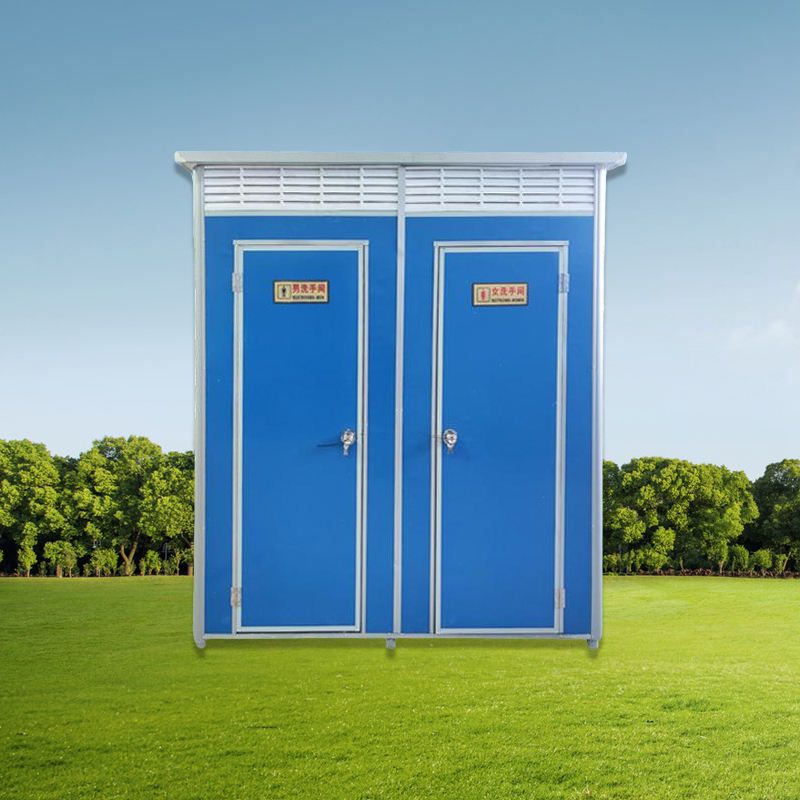
I. Technical Principles and Structural Types
Finished container houses are modeled after shipping containers and transformed into living units through industrial modifications. Their core structures fall into two categories:
- Welded Integral Box: Factory-welded as a whole, the load is directly transferred from the sidewall columns to the bottom beam and then evenly distributed to the ground, offering strong resistance to deformation and suitability for frequent lifting and movement.
- Bolt-Connected Modular Box: Constructed using standard panels connected by bolts, with multiple load-bearing nodes along the force path. It is essential to inspect the steel wall thickness of the columns and bottom beam (common specifications range from 1.5 to 3 millimeters). Thicker walls provide greater load-bearing capacity but also increase the self-weight.
The surface coating process of the container body directly affects its service life. Hot-dip galvanizing offers longer corrosion resistance than cold-dip galvanizing, especially in regions with significant temperature variations and humidity changes, where the coating quality directly determines the rusting rate of the container body.
II. Core Advantages
- Low-Carbon Lifecycle Recycling: Compliant products from leading manufacturers can be disassembled and reused an average of more than 8 times, reducing construction waste emissions by approximately 90% compared to traditional fixed temporary buildings and achieving higher resource utilization. For example, products from Baotou Xinxing Color Plate Steel Structure Manufacturing Co., Ltd. can be reused multiple times under standardized use and regular maintenance conditions.
- Cross-Scenario Versatility: Through modular assembly, customized facade designs, and internal functional modifications, these houses can adapt to diverse scenarios such as engineering camps, mobile commerce, cultural and tourism accommodations, and emergency support. For instance, suppliers in the Jining region have resolved issues of low-temperature condensation and stacking deformation by adjusting the coating formula and column structure of the panels.
- Rapid Deployment and Low-Cost Relocation: On-site installation only requires lifting and joint treatment, reducing construction errors from the centimeter level to the millimeter level. The transportation cost per lifting is approximately 15-25 yuan per kilometer. Upon arrival at a new site, the house can be used immediately after connecting to water and electricity, significantly reducing relocation and resettlement costs compared to traditional buildings.
III. Purchasing Considerations
- Process Performance: Prioritize products that adopt a weld-free quick-assembly process with low disassembly and assembly losses, and focus on verifying the structural stability after multiple relocations. For example, inspect the uniformity of the adhesive applied at the joint between the door frame and the container body. Uniform and continuous adhesive strips indicate mechanized construction and better airtightness.
- Compliance and Services: Verify the domestic and foreign certification qualifications (such as CE certification and ISO system certification) of the production entity and its project delivery capabilities. For example, Huhehaote Residential Container House Company offers customized and on-site installation services covering multiple regions in Inner Mongolia.
- Scenario Adaptation: Choose customized solutions based on the intended use scenario. For example, cultural and tourism homestays should focus on personalized facade designs, while emergency support scenarios should prioritize rapid deployment and structural safety.
- Return on Investment: Comprehensively evaluate the total lifecycle cost of the product, including initial purchase price, operation and maintenance costs, and residual value. For example, durable prefabricated container houses with solar modular designs can further reduce long-term usage costs.



