
Volver al blog
Artículo
Fanxian Mobile Toilet Installation Guide
Admin 08 de octubre de 2026
The installation of mobile toilets in Fanxian needs to be adjusted according to the toilet type (such as integrated or split-type) and on-site conditions. The core process includes pre-installation preparation, installation steps for split-type/integrated toilets, key considerations, and maintenance standards.
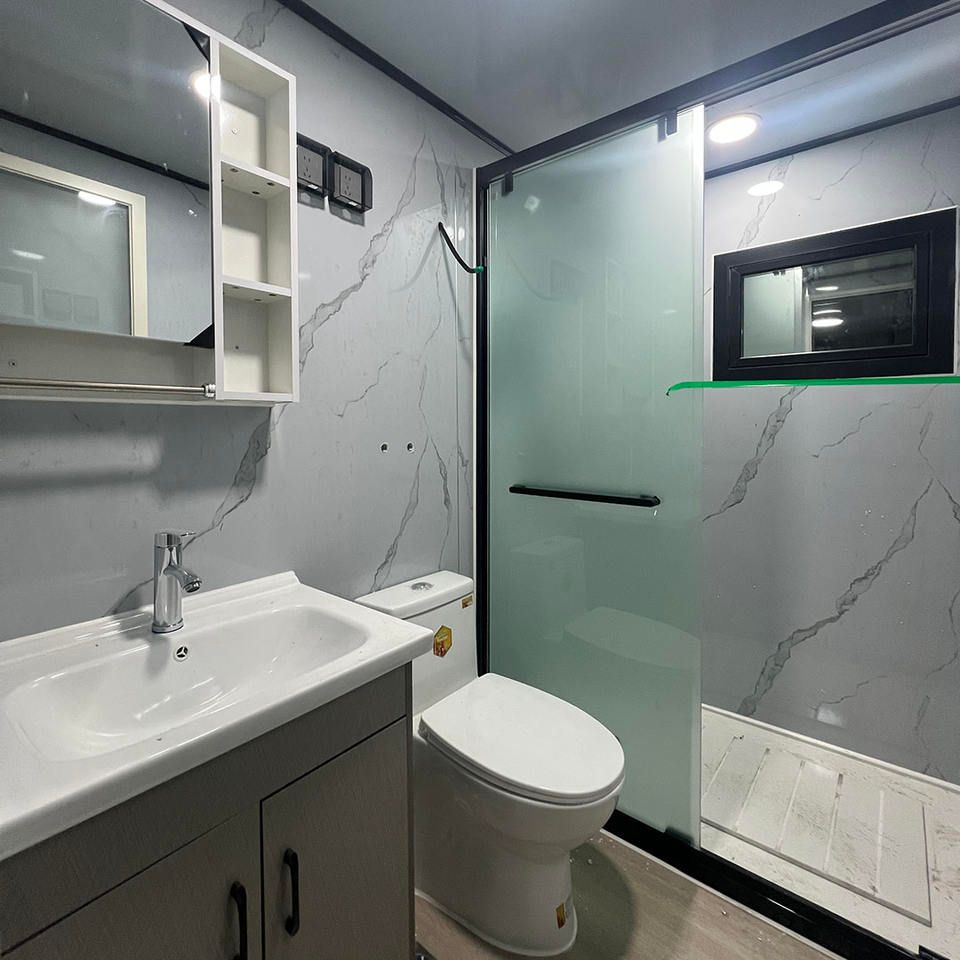
I. Pre-installation Preparation
- Site Planning
- The ground must be solid and level, avoiding areas with soft soil or slopes; if the ground conditions are poor, it should be hardened in advance or steel plates should be laid.
- If connection to the municipal sewage network or a dedicated septic tank is required, reserve interfaces and plan the pipeline layout to ensure smooth drainage.
- Tools and Materials
- Prepare forklifts or manual handling tools (for positioning the chassis), connecting components such as bolts/buckles/sealing gaskets, as well as water and electricity pipelines and quick connectors (modular design can shorten connection time).
II. Installation Steps for Split-type Mobile Toilets
- Positioning the Chassis and Frame
- Use a forklift to place the prefabricated steel structure chassis smoothly and adjust its levelness to avoid tilting that may affect subsequent installation.
- Installing Walls and Roof Panels
- Insert the sandwich panel wallboards into the chassis slots and secure them with bolts or buckles; install the roof panels and seal them to prevent rainwater leakage. This step usually takes 1-2 hours.
- Connecting Internal Facilities
- Install partitions, toilets, flushing systems, sinks (if any), lighting, and ventilation equipment.
- When connecting water and electricity pipelines, prioritize the use of quick connectors, but they must be operated by professionals to ensure tightness.
- Function Inspection and Debugging
- Conduct flushing tests, circuit checks, and tightness inspections to ensure no leakage and normal functionality.
III. Installation Steps for Integrated Mobile Toilets
- Lifting and Positioning
- The factory has completed the interior decoration and equipment integration. On-site, simply use a crane to lift the entire toilet to the predetermined position.
- Connecting Water, Electricity, and Sewage
- Connect to external water and electricity lines and sewage pipelines, using quick connectors or Teflon tape to seal the connections and prevent leakage.
- Testing and Acceptance
- The overall installation time can be shortened to 2-4 hours, with a focus on checking whether the flushing, circuits, and tightness meet standards.
IV. Key Considerations
- Toilet Type Selection
- Integrated box-type toilets can be installed the fastest, while foldable or telescopic toilets offer higher efficiency but slightly weaker durability.
- Sewage System Handling
- Waterless or biodegradable toilets can omit complex sewage pipeline connections; if a toilet position adjuster is used to adjust the toilet position, ensure the pipeline slope is ≥3% and the seal is tight.
- Team Experience
- A professional construction team can significantly improve efficiency and reduce operational errors.
V. Maintenance and Standards
- Regularly check whether bolts and seals are aging and tighten loose components.
- Refer to the "Mobile Toilet Hygiene Standards" (GB/T 21239-2023) to ensure structural safety and hygiene compliance.
Tip: If you encounter mismatched holes, damaged components, or operational difficulties during installation, it is recommended to contact the manufacturer or professional maintenance personnel to avoid safety hazards.
Relacionados



