
Factory Indoor Mobile Toilet
A factory indoor mobile toilet is a facility that can be moved as a whole and provides toilet services for specific locations. It features diverse materials and a rich variety of classifications in terms of structure, mobility, and sewage treatment methods.
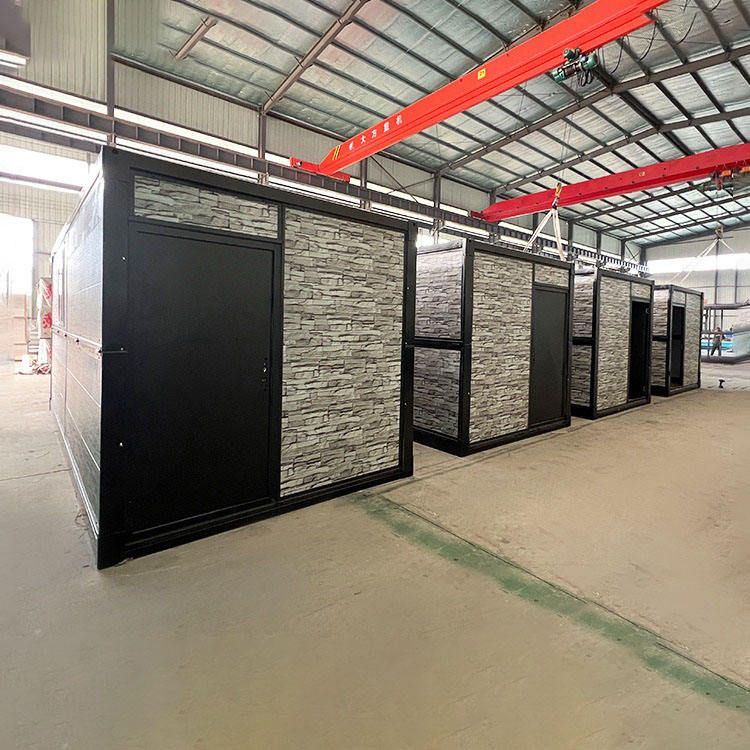
Materials: Factory indoor mobile toilets come in a variety of materials, commonly including steel structures, color-coated steel, metal, and plastic. For example, there are European-style mobile toilets customized with ivory-white metal carved panels. This material is not only aesthetically pleasing but also durable, meeting the aesthetic and functional needs of different locations.
Structural Composition: They are generally composed of multiple parts. The fecal sewage storage tank (or fecal sewage treatment device) is used to collect and treat fecal sewage, ensuring the hygiene of the toilet. The floor provides a stable standing and moving space for users. Sanitary fixtures such as toilets and squat pans are the core equipment for using the toilet. Walls serve to divide the space and protect privacy. Washing equipment facilitates user cleaning. The water tank supplies water for flushing. The roof provides shelter from wind and rain. The mobile device allows the entire toilet to be moved, meeting the needs of different locations.
Structural Form Classification: They can be divided into single-structure mobile toilets and composite-structure mobile toilets. Single-structure mobile toilets are relatively independent and have a simpler structure, suitable for locations with limited space or high flexibility requirements. Composite-structure mobile toilets are composed of multiple single units, offering richer functions and meeting the needs of more people, suitable for large factories or crowded locations.
Mobility Classification: There are lifting and handling-type mobile toilets, which mainly rely on external equipment for lifting and handling, suitable for locations with short distances or low mobility frequencies. Powered and towed-type mobile toilets have their own power or can be towed by vehicles, making movement more convenient and faster, suitable for locations requiring frequent movement or long distances.
Sewage Treatment Method Classification: This includes water-flush and waterless-flush suction-type mobile toilets. Water-flush types can promptly flush away fecal sewage, keeping the toilet clean but consuming a certain amount of water resources. Waterless-flush suction types collect fecal sewage through suction equipment, suitable for areas with scarce water resources. Recirculating water-flush mobile toilets can treat and recycle sewage, saving water resources. Dry-packing mobile toilets pack feces in bags, requiring no water, being environmentally friendly and easy to handle.



