
Extreme-Cold Spliced Container House
In extreme-cold environments, spliced container houses need to focus on structural performance, thermal insulation, wind and earthquake resistance, and full-chain service capabilities. Specific adaptations should be made in the following aspects:
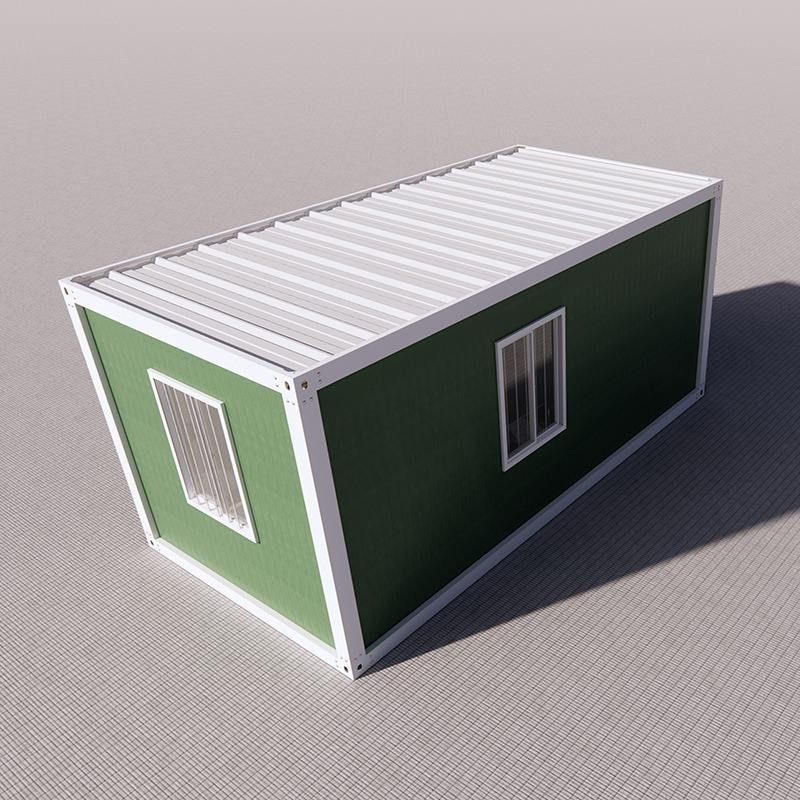
1. Structural Performance and Material Selection
Extreme-cold environments impose stringent requirements on the toughness of steel and weld joint processes. High-strength steel (such as Q345B grade or above) should be selected, and weld joint designs should be optimized to avoid the risk of low-temperature brittle fracture. For example, container houses at construction sites in Harbin use high-strength steel and optimized weld joint processes to withstand freeze-thaw cycles and wind and snow erosion. Meanwhile, walls should adopt a double-layer structure with high-density rock wool or polyurethane insulation boards (recommended thickness ≥100mm) filled in between to ensure stable indoor temperatures in environments ranging from -30℃ to -50℃. The steel structure houses of Jilin Jinlin Metal Structure Manufacturing Co., Ltd., which are adapted to extreme-cold conditions in Northeast China through anti-cold and anti-corrosion processes, can serve as reference cases.
2. Thermal Insulation and Sealing Design
Windows and doors should use thermal-break aluminum profiles paired with double-glazed units (such as a 5Low-E+12A+5 configuration), with an airtightness rating of at least Grade 8 according to national standards. Thermal bridge-free structures should be installed at the connections between walls and floors to prevent heat loss. For example, the "Polar Box" used in Antarctic research expeditions maintains indoor temperatures in -80℃ environments through special thermal insulation layers and sealing designs. Additionally, roofs should be designed with a drainage slope of at least 15° to prevent structural deformation caused by snow accumulation.
3. Wind and Earthquake Resistance
Extreme-cold regions are often accompanied by strong winds and permafrost issues, so container houses need to pass structural mechanics verification. The recommended wind resistance rating is ≥Grade 12, and the earthquake resistance rating is ≥Grade 8. The packing-box products of Beijing Falilai Integrated Housing Technology Co., Ltd., which use modular wall materials and interlocking structures, have successfully withstood 12-grade strong winds in the Sichuan-Tibet Railway project. Meanwhile, foundations should use screw piles or concrete piers to ensure stability on permafrost layers.
4. Full-Chain Services and Customization Capabilities
In plateau or extreme-cold regions with long transportation radii and complex deployment conditions, it is necessary to choose enterprises that provide one-stop services covering "design + production + transportation + installation + after-sales". For example, Sichuan Jinzhu Kaiyue Construction Engineering Co., Ltd. has optimized its product structure for the Sichuan-Tibet Plateau and supports a rental-sales integrated model to flexibly match project cycles. Additionally, enterprises need to have non-standard customization capabilities, such as adjusting the positions of windows and doors and adding bathroom modules, to meet diverse needs.
5. Compliance Qualifications and Environmental Performance
Products need to pass ISO9001 quality management system certification, CE certification, and fire protection test reports (such as GB8624-2012 B1 grade). Meanwhile, materials should comply with environmental standards, with a recommended recyclability rate of ≥85% to reduce long-term costs. The products of Suzhou Shengshan Integrated Housing Manufacturing Co., Ltd. have a design service life of more than 15 years and controllable whole-life cycle costs, making them suitable for long-term use in extreme-cold regions.



