
How to Flush Mobile Toilets at Exhibitions
Common flushing methods for mobile toilets at exhibitions include button flushing, sensor flushing, and high-pressure air-water flushing, with specific operations as follows:
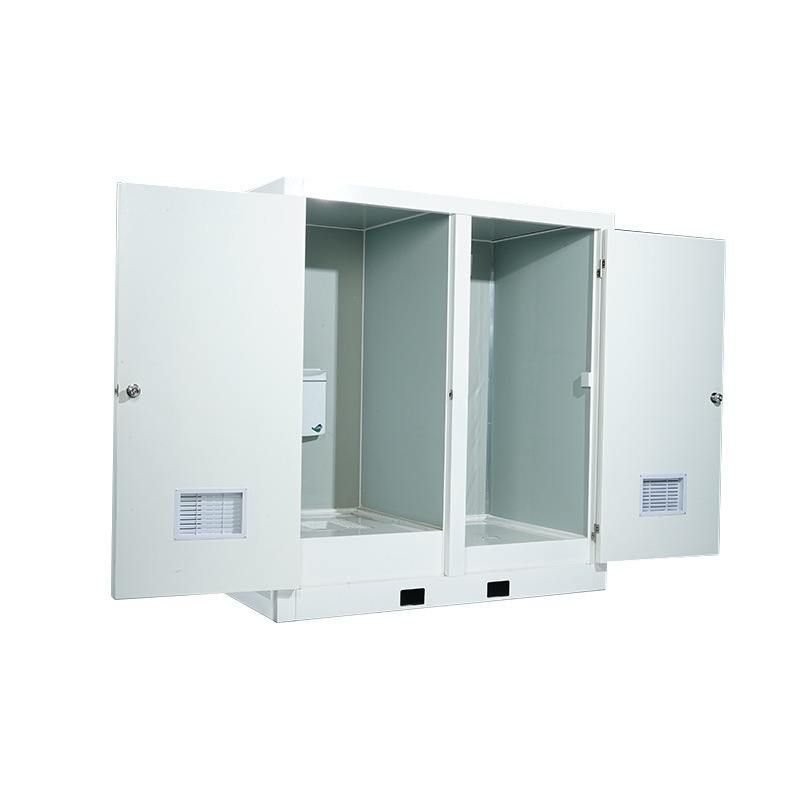
Button Flushing: This is a relatively traditional and common flushing method. Inside the mobile toilet, there are usually prominent texts or icons indicating the location of the flush button. Some button flushing devices are thoughtfully equipped with large and small flush buttons to meet different usage needs. When a user has a bowel movement, pressing the large button releases a larger volume of water, which can more thoroughly flush away waste. When urinating, pressing the small button releases a relatively smaller amount of water. This design ensures effective flushing while achieving water conservation and environmental protection goals. This flushing method is simple and straightforward; users only need to press the appropriate button based on their situation to complete the flushing.
Sensor Flushing: Sensor flushing utilizes advanced infrared or human body sensing technology. In the mobile toilet, the sensing area is generally placed in a prominent and easily accessible location for users. When in use, users do not need to manually operate the button; they only need to bring their hand or part of their body close to the sensing area. Once the sensor receives the signal, it automatically triggers the flushing device, and water rushes out quickly. The biggest advantage of this flushing method is its hygiene and convenience, as it avoids direct contact between users and the flush button, reducing the possibility of bacterial transmission, especially suitable for exhibition scenarios with high foot traffic.
High-Pressure Air-Water Flushing: Some more advanced mobile toilets adopt high-pressure air-water flushing. It uses the combined action of high-pressure water flow and gas to flush the inner walls of the toilet bowl. The flushing control is jointly completed by an infrared sensor and a computer intelligent system. After the user finishes using the toilet, the infrared sensor detects the departure of the human body and transmits the signal to the computer intelligent system, which then controls the simultaneous release of high-pressure water flow and gas, cleaning the inner walls of the toilet bowl with a powerful impact. This flushing method has a strong flushing force, excellent cleaning effect, and can effectively conserve water resources.



