
Volver al blog
Artículo
Essential Items for Mobile Toilets
Admin 21 de septiembre de 2026
The essential items for mobile toilets are designed around three core needs: hygiene, convenience, and durability. They cover five major categories: sanitary ware, environmental control, water supply and drainage, power systems, structural safety, and emergency facilities. Details are as follows:
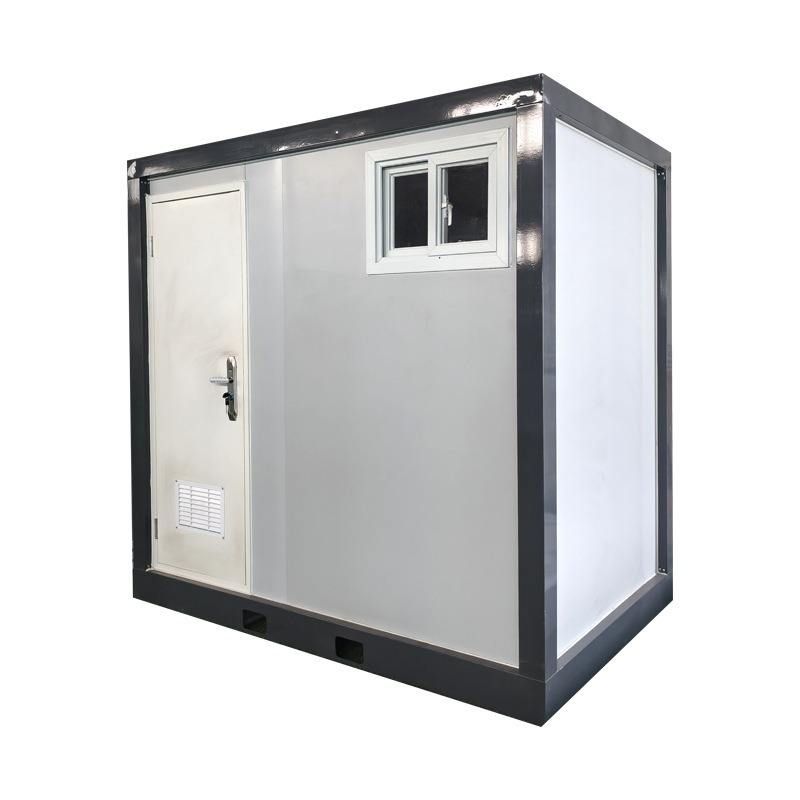
Core Sanitary Ware
- Toilets: Ceramic squat toilets or sit-down toilets (high-end products use stainless steel), equipped with foot-operated or sensor-activated flush valves for convenient and hygienic flushing.
- Handwashing Systems: Sinks, push-type or sensor-activated faucets, water storage tanks (capacity 100-300 liters), with some high-end models featuring warm water supply.
- Auxiliary Accessories: Toilet paper holders, trash bins (with foot-operated lids), coat hooks, shelves (or plates), with mirrors added in some settings to meet daily needs.
Environmental Control Systems
- Ventilation Systems: 20-50 watt powerful exhaust fans to ensure 10-15 air changes per hour, effectively reducing odor concentration.
- Lighting Systems: 5-15 watt LED energy-saving lights, with some equipped with emergency lights to ensure safety during nighttime or power outages.
- Temperature Control Systems: Electric heaters or warm air blowers can be selected in cold regions, while ventilation skylights or small air conditioners can be installed in hot regions to maintain a comfortable internal temperature.
Water Supply and Drainage, and Power Systems
- Water Supply Systems: Built-in water tanks (100-300 liters) or connections to municipal water pipes to meet flushing and handwashing needs.
- Sewage Systems: Sewage tanks (200-500 liters) or environmentally friendly foam sealing/microbial degradation technologies to reduce odors and pollution.
- Power Systems: 220V mains power connection, built-in batteries (e.g., 12V/100Ah), or solar panel power supply to ensure continuous operation of the equipment.
Structural and Safety Accessories
- Door Locks and Indicators: Secure door locks, 'occupied/unoccupied' indicator locks, or LED displays to avoid usage conflicts.
- Materials and Flooring: Corrosion-resistant wall panels (e.g., HDPE, fiberglass), non-slip floors, or fiberglass floor grilles to extend service life and ensure safety.
- Accessibility Facilities: Handrails, wheelchair turning spaces, and low-positioned handwashing stations to meet the needs of special populations.
Basic Safety and Emergency Facilities
- Non-slip Design: Non-slip tiles or mats to reduce the risk of slipping.
- Emergency Call Buttons: Connected to a management center to respond to emergencies.
- Fire Extinguishers: Some are equipped for fire safety, complying with public place safety regulations.
Purchase Recommendations: Refer to national standards such as GB/T 26963-2011 Mobile Toilets, focusing on sealing, odor control, insulation effects, and the brands of core components to ensure the equipment meets industry standards.
Relacionados



