
Epidemic Prevention Mobile Toilet
Epidemic prevention mobile toilets effectively block virus transmission routes through scientific design and management during epidemic prevention and control, ensuring public health safety. Their roles are mainly reflected in the following aspects:
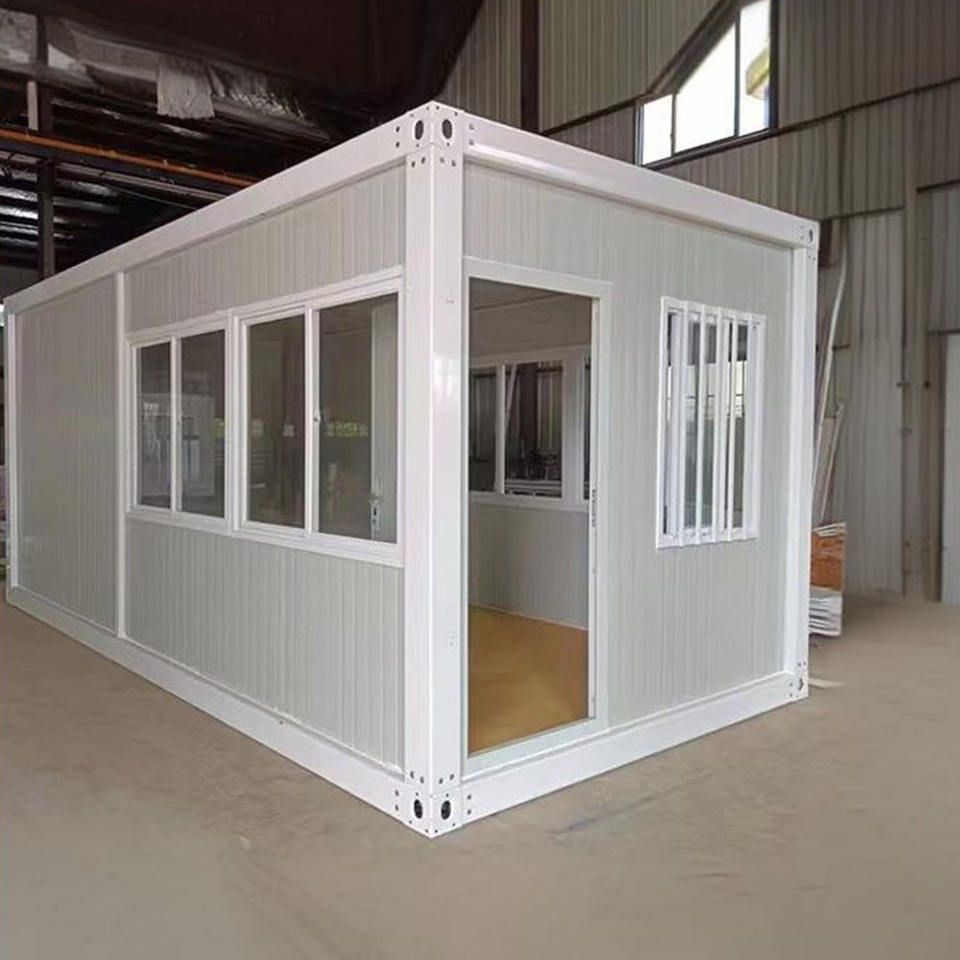
Blocking the risk of fecal-oral transmission in rural areas
The management of public toilets and household toilets of the 'four categories of personnel' in rural areas is a key focus of prevention and control. For example, Balingshan Town has regularly disinfected public and household toilets, covering an area of over 16,000 square meters, and implemented disinfection and closure measures to cut off the possibility of virus transmission through feces or sewage at the source. Such measures are particularly important in rural areas with relatively weak sanitation conditions, providing crucial support for grassroots prevention and control.Professional epidemic prevention design reduces cross-infection
Epidemic prevention-specific mobile toilets are equipped with independent disinfection systems, such as ultraviolet germicidal lamps and automatic spraying devices, which automatically complete the disinfection process after each use, ensuring a safe internal environment. Some products use sealed drainage pipes to prevent sewage backflow contamination; the internal space is physically isolated (e.g., separation of the toilet area and the handwashing area) to further reduce contact risks among users. These designs comply with hygiene and epidemic prevention standards, significantly enhancing the epidemic prevention capabilities of temporary sanitation facilities.Flexible deployment meets temporary scenario needs
The mobility of mobile toilets enables them to quickly respond to various emergency scenarios. For example, during the epidemic, Jingmen region addressed the shortage of temporary sanitation facilities in communities, quarantine sites, and nucleic acid testing sites by renting mobile toilets. In addition, mobile toilets are widely used in crowded places such as large exhibitions and construction sites, effectively avoiding the risk of crowd gathering due to insufficient fixed public toilets.Compliance standards and intelligence enhance the user experience
Epidemic prevention mobile toilets strictly adhere to health department standards and are made of environmentally friendly materials to ensure odorlessness and ease of cleaning, reducing the environment for germ breeding. Some high-end products are equipped with intelligent感应门 (smart sensor doors), foot-operated flushing, and other functions to reduce contact contamination risks through non-contact operations, meeting epidemic prevention requirements while enhancing user convenience.Emergency support sustains frontline epidemic prevention work
Sanitation companies have undertaken tasks such as the transportation, disinfection, fecal extraction, and emergency support of mobile toilets during the epidemic. For example, Shanghai Pudong Sanxing Environmental Sanitation Co., Ltd. completed nearly 3,000 support tasks during the epidemic, transported over 500 toilet units, and conducted daily disinfection and fecal extraction and removal at all sites, ensuring the normal operation of sanitation facilities in quarantine shelters and transfer points, providing solid logistical support for the frontline of epidemic prevention.Market supply and customized services meet diverse needs
Merchants in the market now offer customized services for outdoor temporary public toilets such as epidemic prevention monitoring booths and single-squat mobile toilets, with prices starting from 688 yuan. These can be adjusted in specifications and functions according to different scenarios (e.g., medical sites, transportation hubs), further expanding the application scope of mobile toilets in epidemic prevention and control.



