
Volver al blog
Artículo
Environmental Protection Mobile Toilet Solution
Admin 23 de septiembre de 2026
The environmental protection mobile toilet solution needs to be comprehensively designed by combining technical types, structural characteristics, application scenarios, and layout specifications to meet environmental protection and practical needs in different scenarios.
Technical Type Selection
Based on the usage scenario and resource conditions, the following technical types can be selected:
- Waterless Flush Type: No need for water supply and drainage pipes, suitable for water-scarce or temporary scenarios (such as wild construction sites, exhibition events), but requires regular cleaning of excreta.
- Foam Sealing Type: Reduces odors by covering with foam, saves water, and does not require frequent cleaning, suitable for medium- and low-traffic places such as scenic spots and service areas.
- Water Flush Type: Requires connection to water supply and drainage pipes, but some products are equipped with rainwater collection or hand-washing water secondary flushing technology, with significant water-saving effects, suitable for fixed places (such as rural public toilets).
- Recirculating Water Flush Type: Uses biological bacteria and membrane technology to treat fecal sewage, and the treated water is recirculated for flushing, with a water-saving rate of over 90%, suitable for high-traffic scenic spots or ecologically sensitive areas.
- Dry Packing Type: Excreta is received by biodegradable plastic bags, automatically changed and centrally treated, with no secondary pollution, suitable for vehicle-mounted toilets or temporary events.
- Intelligent Water-Saving Type: By collecting urine and hand-washing water, adding a special agent to achieve a low water volume of 0.46-1.5 liters per person for flushing, suitable for urban streets or areas with high pedestrian traffic.
Structural and Configuration Optimization
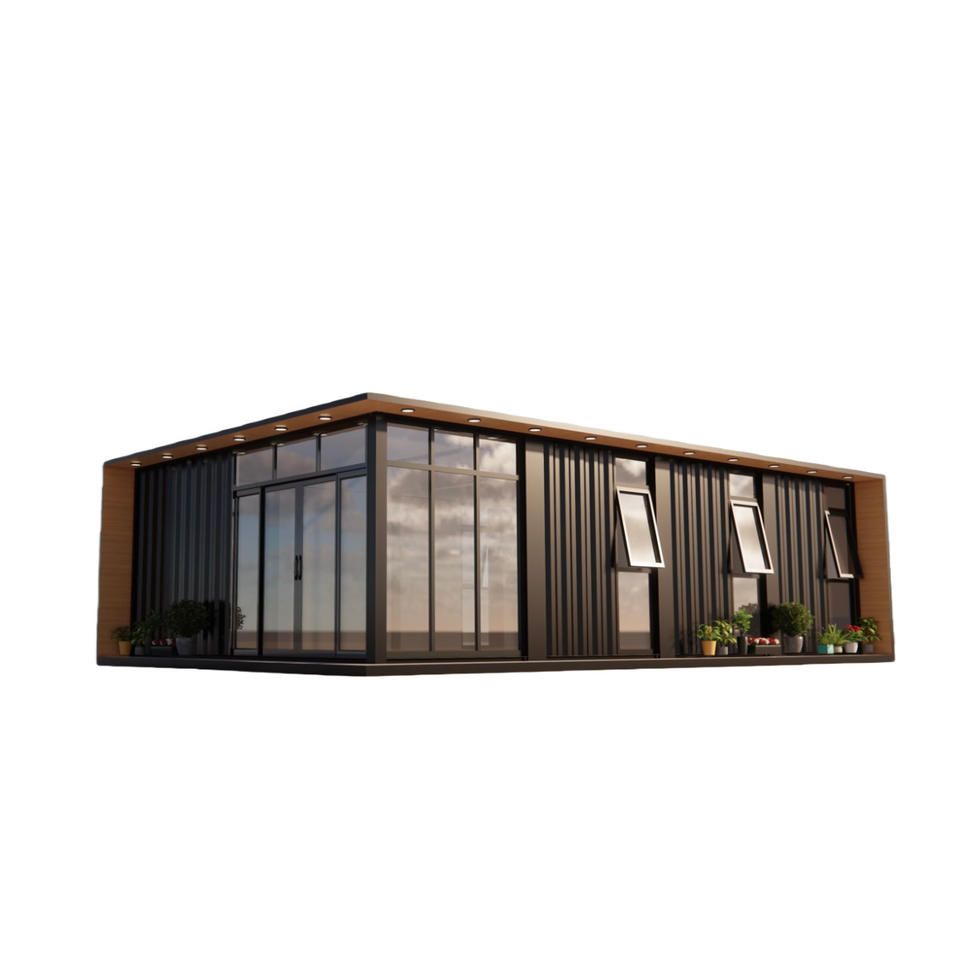
- Frame Structure: Adopts national standard light steel keel welding, with the bottom reinforced with channel steel or I-beams to meet the needs of overall hoisting, facilitating rapid movement and installation.
- Wall Materials: Choose color steel plates (economical), metal carved plates (aesthetic), anti-corrosion wood (natural integration), or stainless steel plates (corrosion-resistant) according to the environment to enhance visual effects and durability.
- Internal Configuration:
- Basic Configuration: Includes odor-proof toilet bowls, lighting, exhaust fans, non-slip floor tiles, and handrails to ensure safety and hygiene.
- Optional Configuration: Add air conditioners (heating and cooling), air purifiers, intelligent monitoring systems (supporting mobile APP operation), or barrier-free facilities to enhance the user experience.
Application Scenarios and Layout Specifications
- Scenario Adaptation:
- Temporary toilets on construction sites: Configure one mobile toilet per 200 square meters, prioritizing dry packing type or waterless flush type.
- Toilets in scenic spots and gardens: Adopt recirculating water flush type or foam sealing type, hidden among trees, with a spacing controlled within 100 meters.
- Large-scale events: Set up one toilet stall per 50-100 people, configure intelligent water-saving type or water flush type, and post clear signs.
- Compliance Requirements:
- Select sites away from low-lying areas, at least 5 meters away from drinking water sources, and harden the ground and set up fences in construction areas.
- All toilets must comply with the "Standards for the Installation of Urban Environmental Sanitation Facilities", and leasing units must have environmental protection filing qualifications, with wastewater discharge meeting standards.
- Arrange for dedicated personnel to guide during events, and conduct disinfection and treatment after use to prevent odors and the spread of germs.
Relacionados



