
Environmental Protection Mobile Toilet - Microorganisms
The microbial technology in environmental protection mobile toilets primarily achieves harmless treatment of excreta through microbial decomposition. Its core principle is to utilize specific microbial communities to degrade organic matter and eliminate odors, while combining high-temperature processes to enhance treatment efficiency.
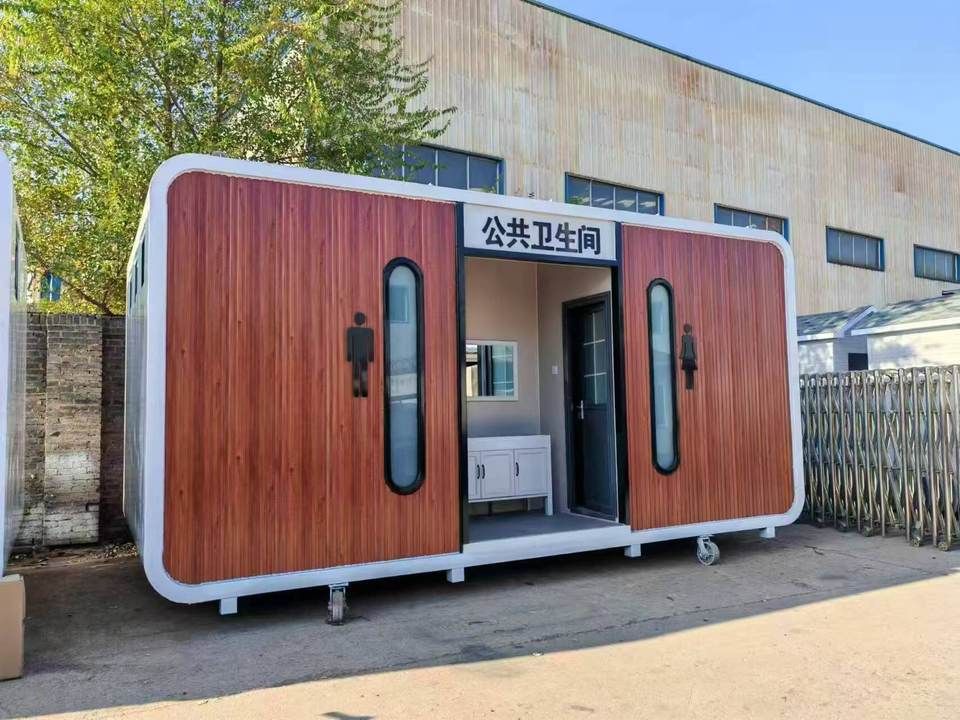
Microbial Degradation of Organic Matter
The core treatment technology of environmental protection mobile toilets is microbial degradation. By introducing efficient strains such as aerobic bacteria and Thomas bacteria, it decomposes proteins, fats, carbohydrates, and other organic matter in feces and urine. During metabolism, these microorganisms convert organic matter into carbon dioxide, water, and a small amount of organic fertilizer, enabling resource utilization of excreta. For example, ecological public toilets, based on solid-liquid separation technology, initially separate feces from urine. Microbial communities then continuously decompose solid residues in bioreactors, ultimately generating harmless products.
High-Temperature Process Accelerates Decomposition and Sterilization
To enhance treatment efficiency and eliminate pathogenic microorganisms, some environmental protection toilets incorporate high-temperature treatment processes in their biological chambers. By using heating systems to raise the reaction environment to 60°C-70°C, the high-temperature environment accelerates microbial metabolic rates, shortens organic matter decomposition cycles, and effectively inactivates parasites, viruses, and other pathogens in feces, ensuring that treated materials meet hygiene standards. This process works synergistically with microbial degradation technology, significantly improving system stability and safety.
Biological Deodorization Technology Eliminates Odors
During the decomposition of excreta, anaerobic bacteria metabolism may produce malodorous substances such as putrescine, cadaverine, and hydrogen sulfide. Environmental protection mobile toilets address this by designing and constructing biological deodorizing agents, utilizing bioconversion technology to break down these odor-causing substances into odorless or low-odor compounds. For instance, specific microbial communities can convert hydrogen sulfide into sulfates and amine compounds into nitrogen and water, thereby eliminating odors and reducing environmental pollution.
Intelligent Management Optimizes Operation
Modern environmental protection mobile toilets also integrate 5G and IoT technologies, using sensors to monitor parameters such as temperature, humidity, and pH in bioreactors in real-time, and remotely regulating microbial community activity. This intelligent management ensures the stability of the treatment process, reduces labor maintenance costs, and enhances overall system efficiency.
In summary, microbial technology achieves efficient and harmless operation of environmental protection mobile toilets through three mechanisms: degradation, sterilization, and deodorization, providing innovative solutions for public health and environmental protection.



