
Environmental Protection Mobile Container House
An environmental protection mobile container house is a prefabricated building that uses containers as its basic structural units, featuring modular design and industrial production, with characteristics such as environmental friendliness, mobility, and reusability. The following is an introduction from several aspects including design principles, environmental characteristics, application scenarios, and development trends:
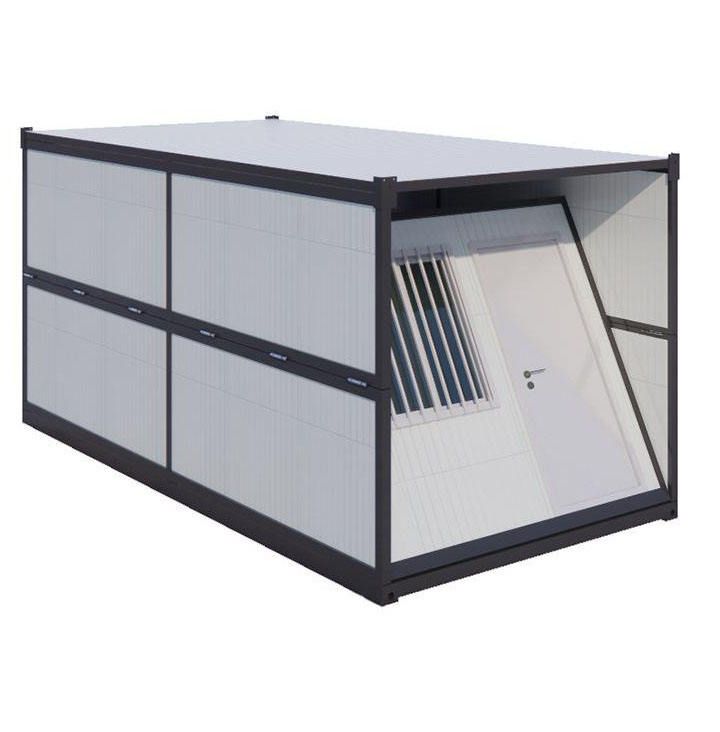
Design Principles: The rigid structure of traditional containers is transformed to incorporate living functions and aesthetic elements. Typically, a steel frame is used as the skeleton, with inner and outer wall panels made of thermal insulation materials. Windows, doors, and interfaces for water and electricity pipelines are pre-reserved. All components are prefabricated in the factory, and only lifting and simple connections are required on-site for immediate use, significantly shortening the construction period and reducing interference with the on-site environment.
Environmental Characteristics:
- Material Recycling: Each standard 20-foot container consumes approximately 1.2 tons of steel, resulting in lower material carbon emissions compared to traditional buildings. Moreover, when the campsite is relocated or the project ends, the container house can be lifted and moved to a new site as a whole, with the disassembly and assembly loss rate controlled within 5%, greatly reducing the generation of construction waste.
- Energy-Saving Design: High-density thermal insulation materials such as rock wool or polyurethane are filled inside the walls, combined with a moisture-proof layer and a ventilation layer to form a multi-layer protective system. This reduces the efficiency of indoor-outdoor heat exchange and decreases reliance on heating or cooling equipment for energy consumption.
Application Scenarios: Suitable for diverse scenarios such as engineering campsites, mobile commerce, cultural and tourism accommodations, and emergency support. For example, in natural environments like seashores, mountains, and lakesides, it can serve as guest rooms for homestays or accommodation units for camping sites; at fishing grounds or scenic area entrances, it can also function as temporary rest or service facilities.
Development Trends: The domestic industry of detachable and relocatable container houses is moving away from extensive expansion and entering a high-quality development stage characterized by refinement, low carbonization, compliance, and scenario-based applications. Low-carbon cycling throughout the entire life cycle has become an important development direction, with the popularity of compliant products that support multiple disassembly and reuse cycles gradually increasing.



