
Electric Heating Mobile Toilet
Currently, no complete product information directly targeting 'electric heating mobile toilets' has been found, but a comprehensive analysis can be conducted by combining the functions of electric heating toilets with the structural characteristics of mobile toilets, or by consulting relevant manufacturers for custom development.
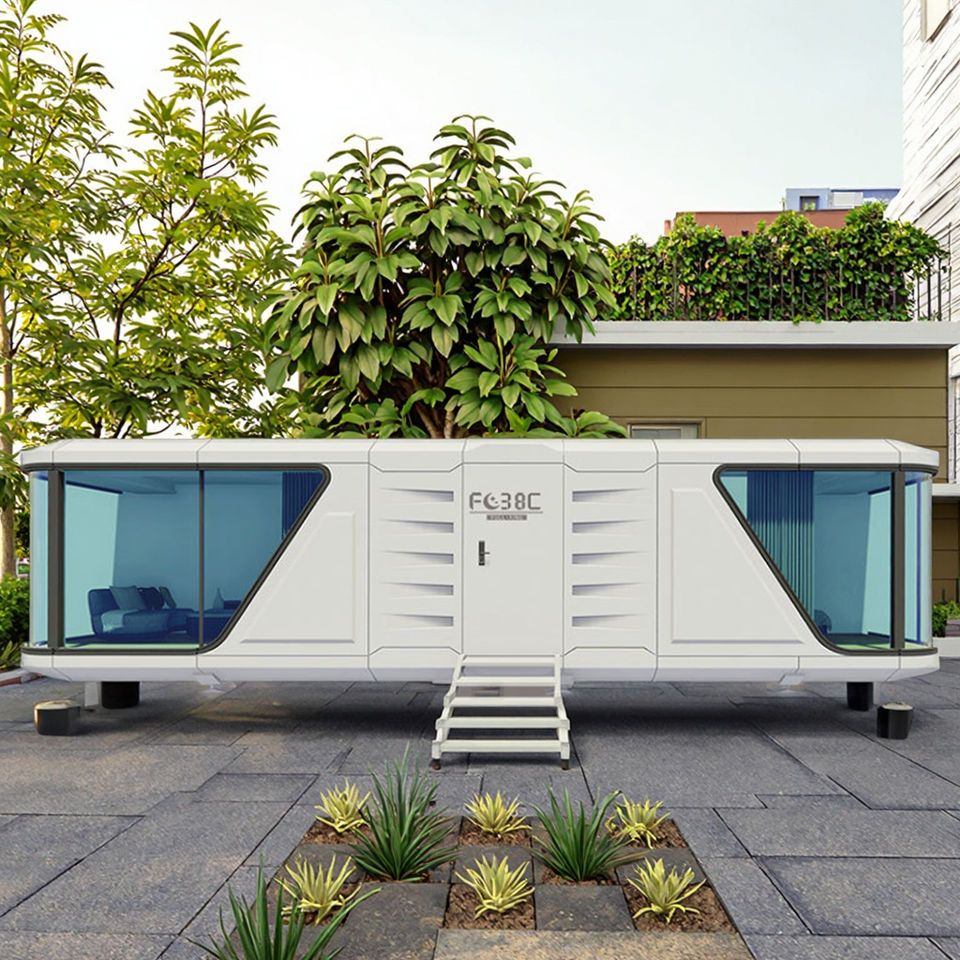
Reference to Electric Heating Toilet Products
According to publicly available information, the custom CUPC smart toilet (instant-heating integrated toilet) provided by Chaozhou Hengwei Intelligent Technology Co., Ltd. features electric heating. Its core characteristics include:
- Automatic Lid Opening: Enables touchless operation through sensors, enhancing hygiene;
- No Water Pressure Limitation: Built-in booster system adapts to low water pressure environments;
- Electric Heating Seat: Maintains a constant seat temperature through temperature control technology, avoiding discomfort in winter;
- Fully Automatic Functions: Integrates modules for flushing, drying, and deodorization, reducing manual intervention. This product is priced at 1600 yuan but is a fixed smart toilet without explicit mention of mobility design.
Conventional Structural Characteristics of Mobile Toilets
Traditional mobile toilets (such as portable cabin-style and container-style) typically prioritize portability and rapid deployment, focusing on basic waste disposal functions (e.g., septic tanks, microbial degradation) but rarely integrating electric heating systems. For example, the plastic portable sanitary bucket toilet provided by Jieyang Rongcheng Zhihang Daily Plastic Products Factory (priced at 110 yuan) only meets basic usage needs and lacks heating functionality.
Potential Implementation Methods for Electric Heating Mobile Toilets
To develop an electric heating mobile toilet, the following approaches can be considered:
- Functional Module Integration: Embed the seat heating and temperature control systems of electric heating toilets into the main body of the mobile toilet while retaining their automation features;
- Power Supply Solutions: Use external power sources (e.g., mains electricity) or built-in batteries (e.g., lithium batteries) for power supply, considering the balance between heating power consumption and battery life;
- Thermal Insulation Structure Design: Add thermal insulation layers (e.g., polyurethane foam) to the outer shell of the mobile toilet to reduce heat loss and improve energy efficiency;
- Environmental Adaptability Optimization: For low-temperature environments (e.g., northern winters), auxiliary heating devices (e.g., small space heaters) can be added or pipeline antifreeze designs optimized.
Recommended Consultation Directions
For specific products, contact smart toilet manufacturers (e.g., Chaozhou Hengwei Intelligent Technology) or mobile toilet manufacturers and propose custom requirements for 'electric heating seat + mobile structure', focusing on parameters such as heating power, power supply type, and thermal insulation performance.



