
Volver al blog
Artículo
Drawer-type Container House
Admin 16 de septiembre de 2026
Drawer-type container house is not a standard term; it generally refers to container houses with foldable or modular designs, whose core features lie in easy transportation, rapid installation, and flexible space combination. The following analysis is conducted from four aspects: structure, performance, application scenarios, and purchasing suggestions.
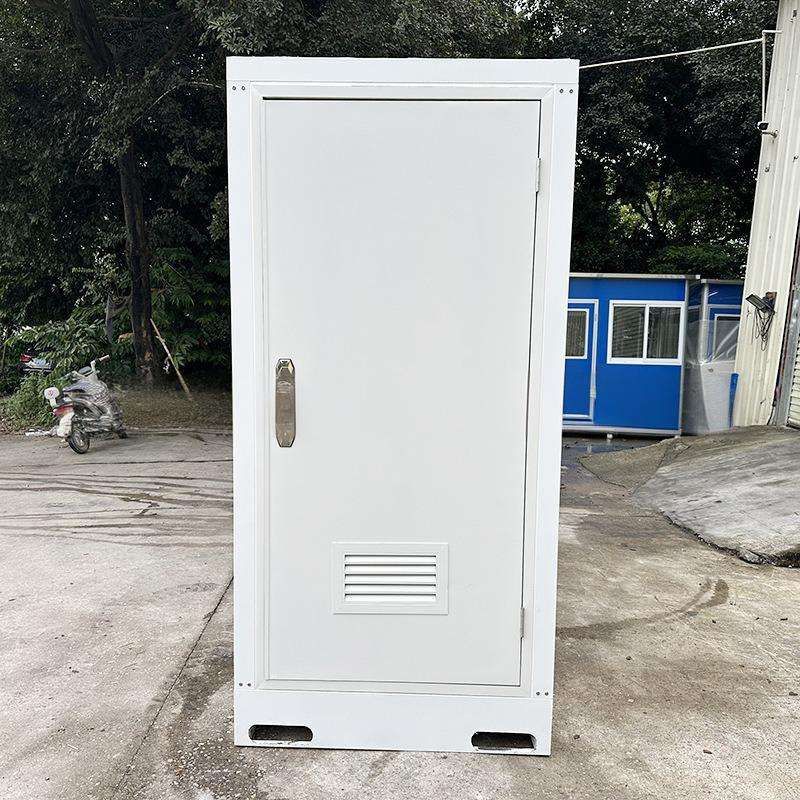
1. Structural Design and Types
Drawer-type container houses mostly adopt a modular design, with a main frame made of high-strength steel to ensure structural stability. Common types include:
- Foldable Type: These are expanded and folded using hinges or hydraulic devices. After folding, the volume can be reduced to 1/3 to 1/5 of the original, significantly reducing transportation costs. For example, the foldable containers from Suzhou Zhongnan Steel Structure Co., Ltd. have a volume after folding that is only 1/5 of the expanded state. Each truck can carry 20 sets, increasing transportation efficiency by 40%.
- Expandable Type: These increase usable area through sliding rails or telescopic structures, suitable for scenarios requiring temporary expansion, such as construction site offices and commercial pop-up shops.
- Modular Type: Multiple standard containers are joined together using bolts or welding to form multi-story or multi-room buildings, suitable for long-term living or office needs.
2. Performance Indicators and Advantages
- Wind and Earthquake Resistance: High-quality products must comply with building structural load codes (such as GB50009-2012). For example, products from Suzhou Zhongnan Steel Structure Co., Ltd. have a wind resistance rating of up to Level 12 and an earthquake resistance intensity of Level 8, with a frame deformation rate of only 0.2%, far exceeding conventional engineering requirements.
- Installation Efficiency: Modular design significantly shortens on-site construction time. The quick-assembly containers from Suzhou Zhongnan can be installed in just 2 hours per set, and a camp with 100 sets can be put into use in 7 days, suitable for short-term engineering camps.
- Transportation and Storage: Foldable design reduces volume occupation, allowing stacking up to 8 layers during storage, increasing space utilization by 60%, suitable for emergency rescue or frequent turnover scenarios.
3. Application Scenarios
- Temporary Buildings: Construction site dormitories, offices, medical stations, etc., utilizing their rapid deployment and mobility.
- Commercial Uses: Pop-up shops, exhibition halls, cafes, etc., with customized interior pre-installation allowing completion of a 20㎡ space in 2 days.
- Long-term Residence: Combined with insulation and water-electricity systems, they can be transformed into villas, apartments, or schools, meeting the needs of remote areas or post-disaster reconstruction.
4. Purchasing Suggestions
- Compliance: Prioritize products that have passed ISO certification or comply with national building codes to avoid using unqualified white-label containers and reduce safety risks.
- Materials and Workmanship: Check steel thickness, welding quality, and anti-corrosion treatment to ensure durability; interior materials should be environmentally friendly and non-toxic for long-term use.
- Cost-effectiveness: Consider transportation, installation, and maintenance costs comprehensively. Although foldable or modular products may have a higher unit price, their long-term operating costs are lower.
- Customization Needs: Choose functional modules according to the purpose, such as adding sound insulation layers, solar panels, or smart lock systems to enhance the user experience.
Relacionados



