
Double-Occupancy Mobile Toilet
A double-occupancy mobile toilet is a movable and eco-friendly toilet facility that comes in various types, materials, and is suitable for multiple locations, offering convenience and energy efficiency.
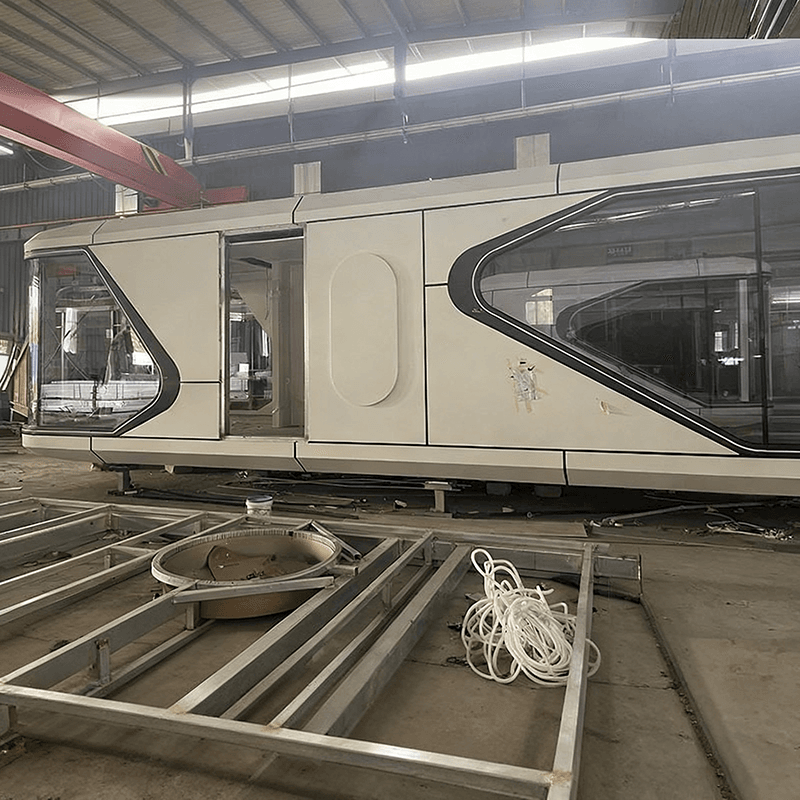
Types: Double-occupancy mobile toilets are available in a rich variety of types. The common ones include waterless packaged mobile toilets, which do not require water and use special packaging devices to collect and treat waste, making them suitable for areas with scarce water resources or where it is difficult to connect to water pipes. Foam-sealed mobile toilets utilize foam to block odors, reduce water consumption, and maintain cleanliness inside the toilet. Water-flush mobile toilets, on the other hand, adopt the traditional water-flushing method, providing good cleaning effects but requiring a water supply connection.
Materials: They are made from a diverse range of materials. Stainless steel offers high strength and corrosion resistance, ensuring the durability of the toilet. Color-coated steel provides a colorful and aesthetically pleasing appearance, is lightweight, and easy to move and install. Preservative-treated wood gives a natural and warm feeling while possessing certain anti-corrosion properties. Aluminum composite panels are lightweight, soundproof, and fire-resistant, enhancing the overall performance of the toilet.
Specifications: In terms of height, there are different specifications such as 2.3m, 2.5m, 2.7m, 2.8m, and 2.9m, allowing for selection based on the actual usage scenario and requirements.
Suitable Locations: They have a wide range of applications. At tourist attractions, they can provide convenient toilet facilities for tourists, enhancing the tourism experience. In public places, ports, squares, and urban streets with high foot traffic, they can alleviate the shortage of public toilets. In construction sites and other areas with environmental and condition limitations, they can meet the basic living needs of workers.
Advantages: They are compact and agile, using lightweight materials such as stainless aluminum steel, resulting in low energy consumption and operational costs. They can operate without a power supply, saving social resources. Moreover, their high mobility allows for quick deployment and relocation as needed, saving time, improving work efficiency, facilitating people's lives, and having a positive impact on improving living standards and people's quality.



