
Double-Connected Mobile Toilet with Steps
The double-connected mobile toilet with steps is a modularly designed composite-structure public facility suitable for temporary or phased toilet scenarios such as construction sites and parks, featuring a compact layout and comprehensive functionality.
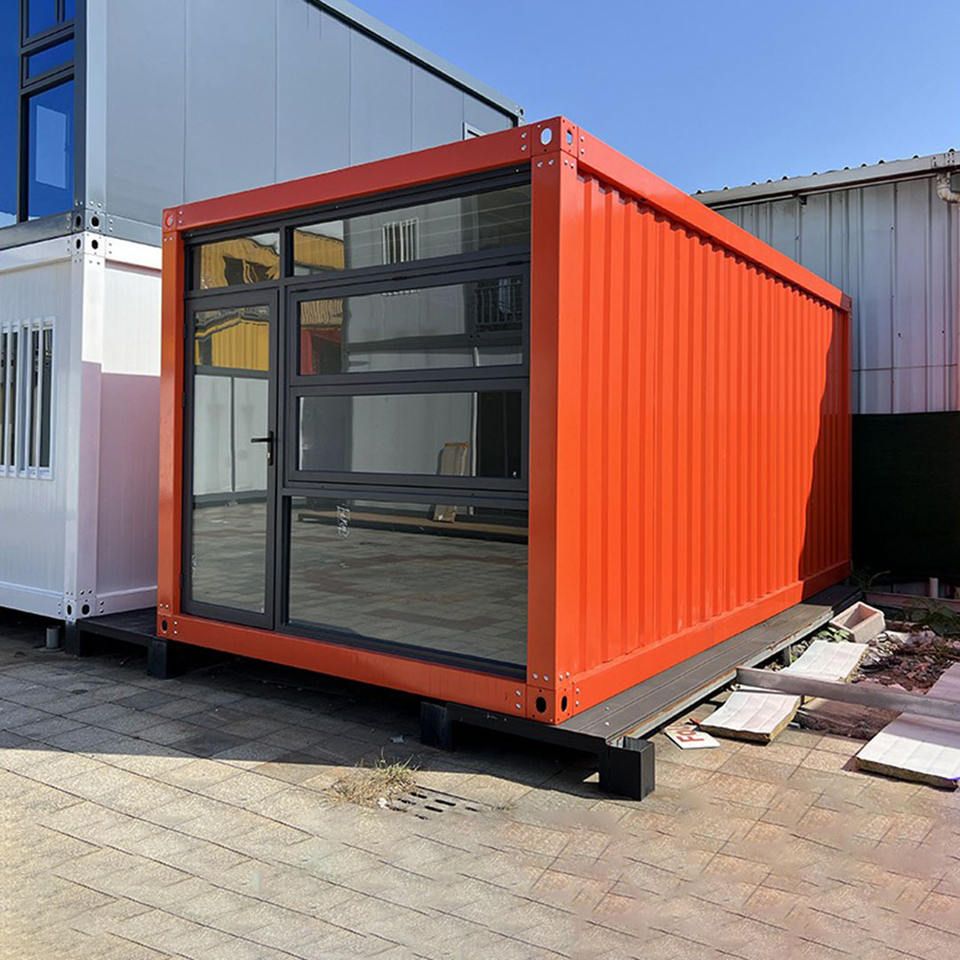
Structure and Materials
Double-connected mobile toilets typically adopt a composite structural design, consisting of two independent toilet compartments combined through modular design for rapid assembly and transportation. Their main materials are diverse, commonly including:
- Color-coated steel plates: Products from companies like Shenzhen Guanbang Technology Co., Ltd. are characterized by their lightweight and corrosion resistance, suitable for short-term use scenarios.
- Stainless steel: For example, the double-unit mobile toilet from Junhan Smart Space uses stainless steel material paired with a vacuum sewage system, effectively isolating odors and enhancing durability.
- Metal embossed panels: Some products use metal embossed panels on the outer layer, combining aesthetics with thermal insulation properties.
The step structure is a typical design feature of such toilets, usually marked with a “Caution: Steps” sign at the entrance. This not only facilitates user entry and exit but also optimizes the internal space layout through height differences, making the distribution of functional areas (such as toilet compartments and sinks) more compact.
Functional Configuration
Despite their limited size, double-connected mobile toilets are fully functional:
- Sewage system: Some high-end models adopt vacuum sewage technology, reducing odor diffusion through negative pressure suction, suitable for scenarios with high hygiene requirements.
- Handwashing facilities: They are equipped with separate sinks, mirrors, and automatic sensor water devices inside to enhance the user experience.
- Modular design: Toilet compartments, sinks, and other units can be independently disassembled, facilitating transportation and maintenance, especially suitable for places with complex terrain or frequent relocation needs.
Application Scenarios
Their core advantages lie in flexibility and adaptability:
- Construction sites: They meet the concentrated toilet needs of construction workers and can be relocated along with the progress of the project.
- Parks/scenic spots: They cope with peak tourist flows during peak seasons or temporary events, reducing the construction costs of fixed toilets.
- Public events: Such as music festivals and exhibitions, providing temporary sanitation solutions.
Classification and Expandability
Mobile toilets can be classified into single-unit and composite structures based on their design, with double-connected toilets belonging to the latter. Based on mobility, they include lifting-type (requiring lifting equipment) and portable-type (moved manually or with small machinery). Some suppliers, such as Guanbang Technology, offer customization services, allowing adjustments to the number of toilet compartments, materials, or functional modules according to needs.
For specific models, prices, or customization plans, you can contact the supplier (e.g., Ms. Yang from Guanbang Technology at 18823751129) for further consultation.



